
Study finds many diets fall short on heart-linked flavanols
Researchers say many people miss the flavanol intake tied to heart benefits, even when they meet common fruit and vegetable targets.
By Lucas Ferreira · Science & Environment Writer
3 min read
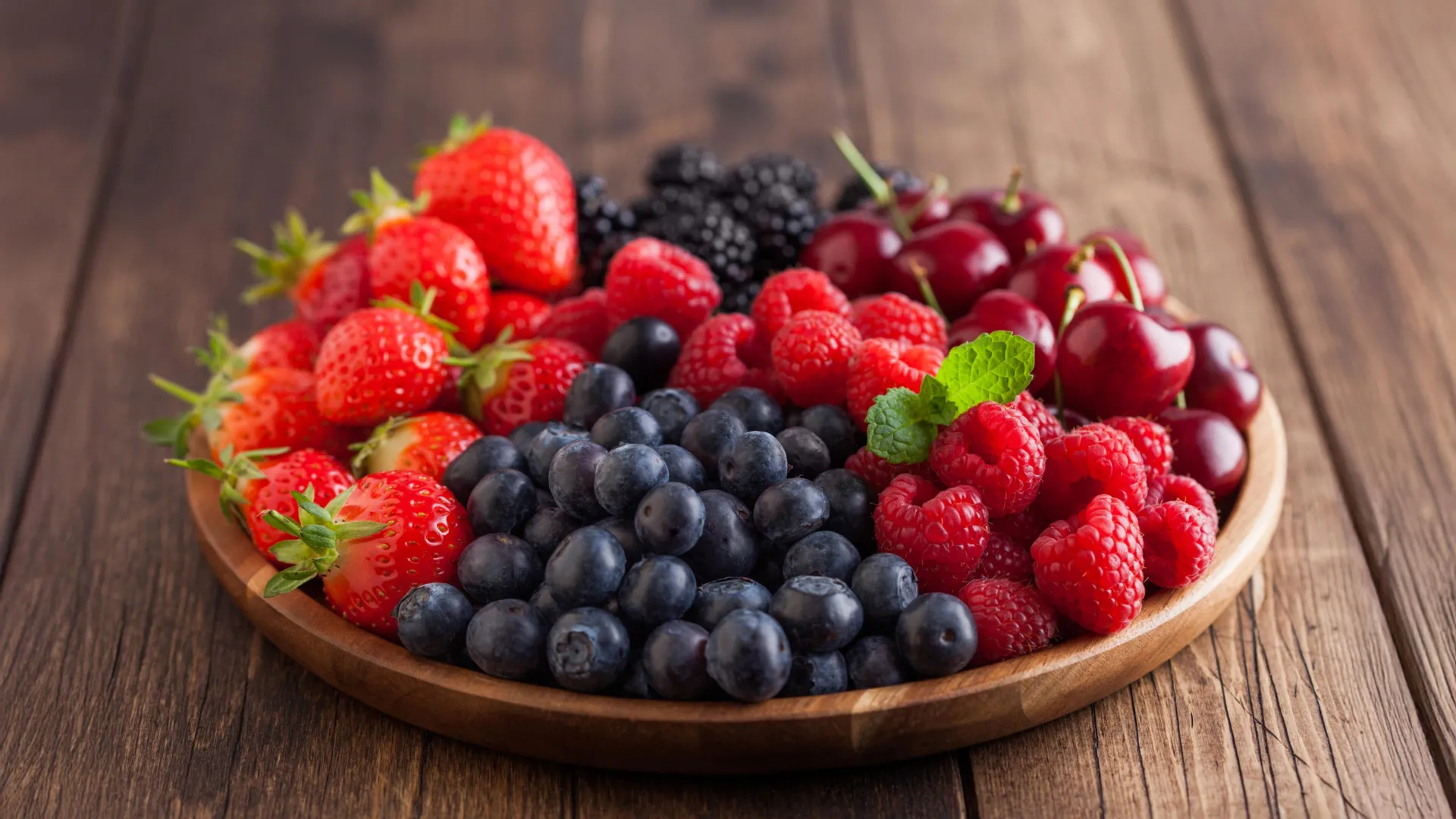
Many people who follow standard advice to eat fruit and vegetables may still fall short on flavanols, plant compounds associated with better heart health, according to research from the University of Reading and collaborators. The finding matters because the study suggests the type of produce people choose can affect whether they reach intake levels linked in earlier research to cardiovascular benefits.
The international study was led by scientists from the University of Reading, Harvard Medical School, the University of California Davis and Mars, Inc., according to the University of Reading. Researchers examined dietary data from more than 30,000 people in the United Kingdom and the United States and used biomarker measurements to assess flavanol intake.
The study, published June 8, 2026, in the journal Food and Function, found that fewer than one in five people reached the flavanol intake level associated with heart health benefits, according to the university. Researchers also found that some people who ate the recommended five daily servings of fruit and vegetables did not reach that level.
Food choices changed flavanol intake
Flavanols occur naturally in some fruits, vegetables, beans and drinks such as green tea, according to the University of Reading. The research team said eating more produce alone may not ensure enough flavanols if the choices are low in those compounds.
Dr. Javier Ottaviani, the study’s lead author, said the findings show that specific foods matter more than total fruit and vegetable volume when it comes to flavanol intake, according to the university. He pointed to foods such as blackberries, apples and green tea as examples that could raise how much of the compounds people consume and absorb from their diets.
The University of Reading said earlier research, including the COSMOS study, found that 500 milligrams of flavanols per day significantly reduced the risk of death from heart disease. The new study found most people remained below that level, including some who followed standard healthy eating guidance such as the NHS Eatwell Guide, according to the university.
Foods identified as higher in flavanols
Researchers listed several foods with relatively high flavanol content per serving, according to the University of Reading:
- Plums: about 450 milligrams in 500 grams, roughly one punnet.
- Cranberries: about 300 milligrams in 250 grams, roughly one punnet.
- Blackberries: about 250 milligrams in 200 grams, roughly one punnet.
- Green tea: about 200 milligrams in one 250-milliliter cup.
- Broad beans, also known as fava beans: about 140 milligrams in 80 grams.
- Apples with skin: about 110 milligrams in one medium 200-gram apple.
- Blueberries: about 80 milligrams in a 150-gram punnet.
Other foods listed by the researchers included cherries, strawberries and pinto beans, according to the university. The figures show wide differences among common plant foods, even within categories often grouped together in dietary advice.
Professor Gunter Kuhnle of the University of Reading said the five-a-day message remains sound, but dietary guidance may need to say more about which fruits and vegetables people choose, according to the university. The researchers said the findings support eating plenty of fruits and vegetables while paying closer attention to produce with higher flavanol content.
This story draws on original reporting from ScienceDaily.