
Researchers find pathogen that tricks stink bugs’ symbiotic gut system
A newly identified microorganism invades stink bugs by mimicking helpful symbionts, a finding researchers say could point to new biological pesticides.
By Tom Brennan · Health & Medicine Correspondent
3 min read
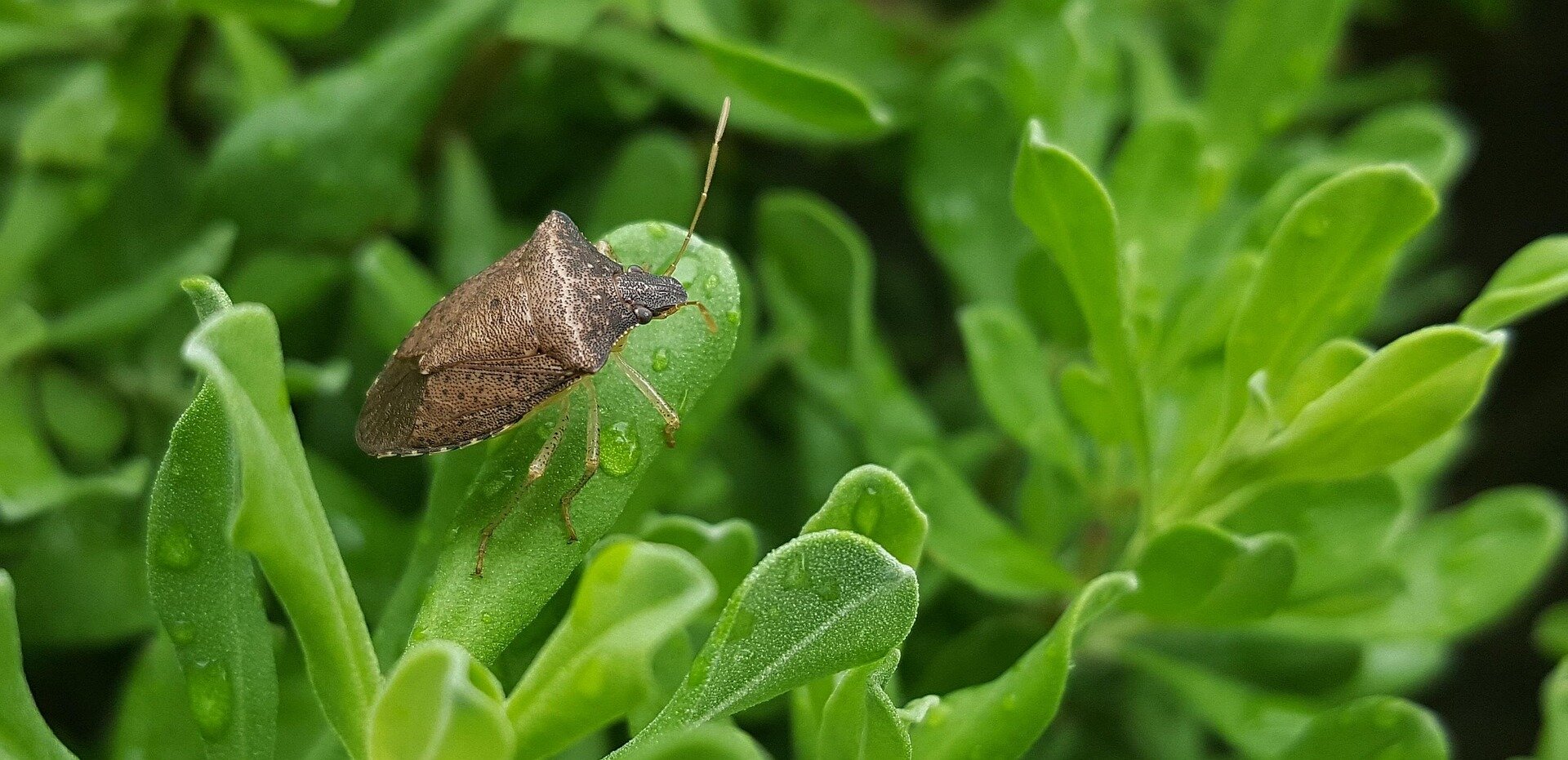
Researchers have identified an insect-killing microorganism that gets inside stink bugs by imitating the bacteria the insects normally depend on for survival. The finding matters because stink bugs are difficult crop pests, and the research team says the mechanism could help guide new biological pest controls.
The discovery was reported by researchers at Japan’s National Institute of Advanced Industrial Science and Technology, working with The University of Electro-Communications and Akita Prefectural University. The study was published in the Proceedings of the National Academy of Sciences.
According to the University of Electro-Communications, the pathogen enters stink bugs from soil and exploits the insects’ gut-based symbiotic system. Stink bugs house beneficial microorganisms in a sac-like organ in the rear part of the gut, where those microbes help supply nutrients the insects cannot get from food alone.
The research team found that the newly discovered pathogen uses the same “wrapping motility” method as the insects’ beneficial symbionts to reach that organ. Once established there, the microorganism multiplies abnormally, breaks through the organ and spreads into the insect’s hemolymph, the fluid that functions in insects similarly to blood.
The infection causes sepsis and kills the host stink bug with nearly 100% certainty within 10 days, according to the University of Electro-Communications. The researchers described it as the first reported case of an insect pathogen killing its host by colonizing a symbiotic organ while posing as a beneficial microorganism.
Why the finding draws interest
Many insect pests rely on microbes that live inside their bodies. Those symbionts can provide essential nutrients, help process food that is otherwise hard to digest and support survival, growth and reproduction, according to the university.
Some insects have evolved specialized organs to maintain those microbes. In stink bugs, the symbiotic organ is part of the gut, and the insects acquire the microorganisms from the environment, including soil.
That dependence creates a potential weak point. The newly identified pathogen appears to pass through the same biological gatekeeping system that admits useful symbionts, then turns the symbiotic organ into the starting point for a lethal infection.
Possible role in pest control
Stink bugs damage a range of crops by sucking sap, and the University of Electro-Communications said they have been hard to control. The brown marmorated stink bug, for example, has become an invasive pest threatening fruit and vegetable crops in Europe, according to the report.
Chemical pesticides are widely used against agricultural and other pests, but researchers cited concerns about harm to biodiversity and the emergence of pesticide resistance. Biological pesticides, which use insect-pathogenic microorganisms or natural enemies, are attracting interest because they can be more species-specific and have lower environmental impact, according to the university.
The researchers said the newly described “Trojan horse” strategy could contribute to environmentally friendly pest control technologies. The study identifies a mechanism rather than a commercial pesticide, and the reported findings do not say when or whether a product based on the pathogen could be developed.
The paper, “A Trojan horse pathogen breaking through partner-choice barriers in the insect gut,” lists Kota Ishigami and colleagues as authors. Its DOI is 10.1073/pnas.2533244123.
This story draws on original reporting from Phys.org.