
Study links Starbucks union drives to identity-based organizing
A University of Illinois study says some Starbucks union activists tied workplace demands to LGBTQIA+, racial and disability identities.
By Lucas Ferreira · Science & Environment Writer
3 min read
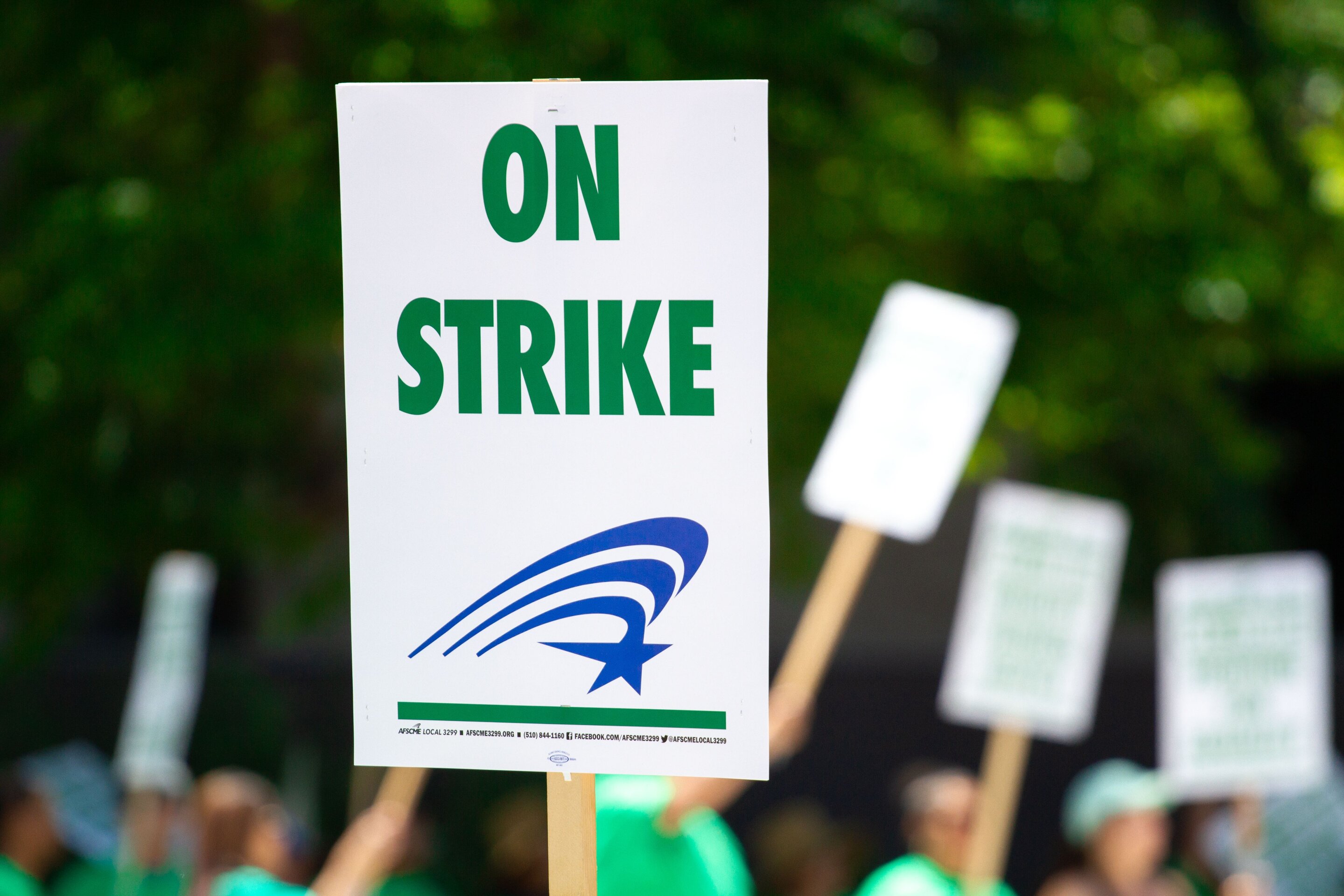
A new labor study argues that some Starbucks union campaigns grew from workers’ belief that the company’s progressive public image did not match their treatment on the job. The research matters because it points to a form of labor activism organized around social identity as well as wages and working conditions.
John Kallas, a professor of labor and employment relations at the University of Illinois Urbana-Champaign, examined what he describes as “intersectional organizing” among Starbucks union activists. His paper, published in ILR Review, draws on interviews with 53 union activists and representatives connected to Starbucks Workers United, according to the university.
Kallas said the workers he studied did not organize only as employees with shared economic concerns. Many also acted from shared experiences tied to sexual orientation, race, disability and other marginalized identities, he said.
According to Kallas, Starbucks’ reputation on progressive social issues helped attract workers who valued those positions, including LGBTQIA+ workers and employees in more socially conservative parts of the United States. He said some workers then viewed management decisions after the COVID-19 pandemic as inconsistent with those values, helping fuel organizing and strike activity.
The study says union activists used those perceived contradictions to connect identity-based grievances with material workplace complaints. Kallas said that in the Starbucks case, many activists understood questions of pay, safety, respect and identity as linked rather than separate.
Kallas said that focus challenges a common view of union campaigns as mainly centered on pay and conditions. He pointed to earlier examples of labor activism involving Latino janitors in the 1980s and 1990s and Black auto workers in the 1970s as evidence that identity-based workplace resistance has a history in the U.S. labor movement.
The research also highlights limits facing the Starbucks campaign. Kallas said Starbucks workers have organized successfully in many locations, but after five years they still have not secured a first contract.
Low wages and high turnover make it difficult to sustain organizing over time, Kallas said. He also said U.S. labor law does not force an employer to accept a contract, which can leave unions with few ways to compel an agreement when a company has the resources to resist pressure.
According to Kallas, employers can contest National Labor Relations Board rulings through the courts, and financial penalties for unfair labor practices or failure to reach a contract are limited. He said that gives a large company such as Starbucks room to delay bargaining.
Kallas noted that the Faster Labor Contracts Act, which passed the U.S. House of Representatives with bipartisan support, could change the process by allowing a third party such as an arbitrator to impose a contract if negotiations fail. He said Senate passage is uncertain.
The scale of Starbucks’ operations also affects union leverage, Kallas said. He said a strike by workers at hundreds of stores can still leave thousands of company stores operating, making it difficult for workers to force management into what he called meaningful bargaining.
This story draws on original reporting from Phys.org.