
Spider venom peptides show promise against honeybee-killing mites
A UniSC-led study found two spider venom peptides killed Varroa destructor mites in lab tests while honeybees survived.
By Tom Brennan · Health & Medicine Correspondent
3 min read
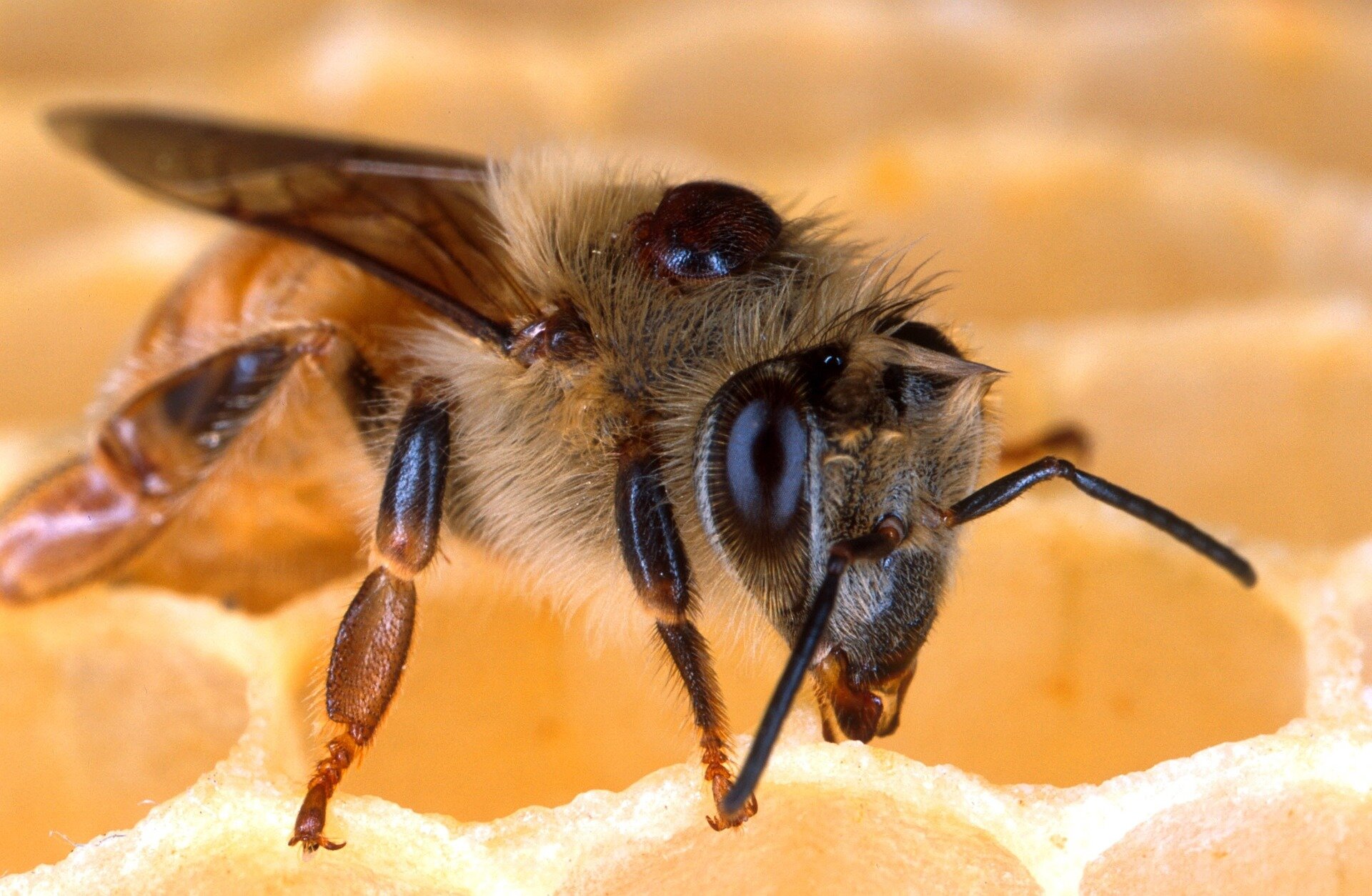
Researchers have identified two spider venom peptides that killed Varroa destructor mites in laboratory testing while honeybees survived. The finding matters because the parasite is damaging bee colonies worldwide and has become harder to control with existing pesticides, according to the University of the Sunshine Coast.
The UniSC-led study, published in npj Drug Discovery, examined venoms from spiders and scorpions as possible leads for a new mite treatment. The team reported that components from the Tasmanian cave spider and the giant Japanese funnel-web spider were toxic to the mites when applied to their bodies.
Associate Professor Volker Herzig of UniSC, the study’s lead author, said the work marks an early step toward a more environmentally friendly option for controlling varroa infestations. The mite, a parasite of honeybees, has been linked to colony losses in Australia and across much of the Northern Hemisphere, UniSC said.
Venoms screened against mites
The researchers tested 50 venoms, mainly from spiders and scorpions, by applying them externally to varroa mites. Herzig said more than three-quarters of the venoms killed mites within 24 hours, after which the team chose two of the strongest spider venoms for closer study.
From those venoms, the researchers isolated two peptides, which they named Ht1a and Gg1a. When applied directly to the mites, the peptides killed the parasites while the honeybees used in the tests survived, according to UniSC.
Herzig said the peptides are biodegradable and may be candidates for development into a sustainable commercial treatment for hives affected by varroa. The study did not report a field-ready product, and UniSC said further testing is needed before any practical use in apiaries can be assessed.
Pesticide resistance drives search
UniSC said alternative controls are needed because varroa mites are showing growing resistance to current chemical pesticides. That resistance has added pressure on beekeepers and researchers seeking treatments that can protect bees without adding new environmental problems.
The research team included scientists from UniSC, the University of Queensland, the University of Oslo, Ghent University in Belgium and the Swiss Bee Research Center Agroscope in Switzerland. The venoms came from Herzig’s arachnid venom biobank, which UniSC said contains 640 spider venoms and 230 scorpion venoms and is the largest collection of its kind in the world.
The next stage will test the peptides on honeybees carrying varroa mites and then in infested hives, Herzig said. Those trials are intended to show whether the lab results hold up under hive conditions.
UniSC Vice-Chancellor and President Helen Bartlett said the research addresses a threat to global food security and reflects the university’s focus on sustainability. She said the work aims to help protect agriculture in Australia and overseas.
The paper is titled “Spider venom peptides Ht1a and Gg1a are toxic to honeybee parasite Varroa destructor by topical application.” It was authored by Herzig and colleagues and published in 2026 in npj Drug Discovery.
This story draws on original reporting from Phys.org.