
Soil bacteria help crops withstand salty fields, study finds
Researchers found pseudomonad bacteria boost lignin in roots, improving plant growth and yields in salty soils in greenhouse and field tests.
By Priya Raghavan · Science Reporter
3 min read
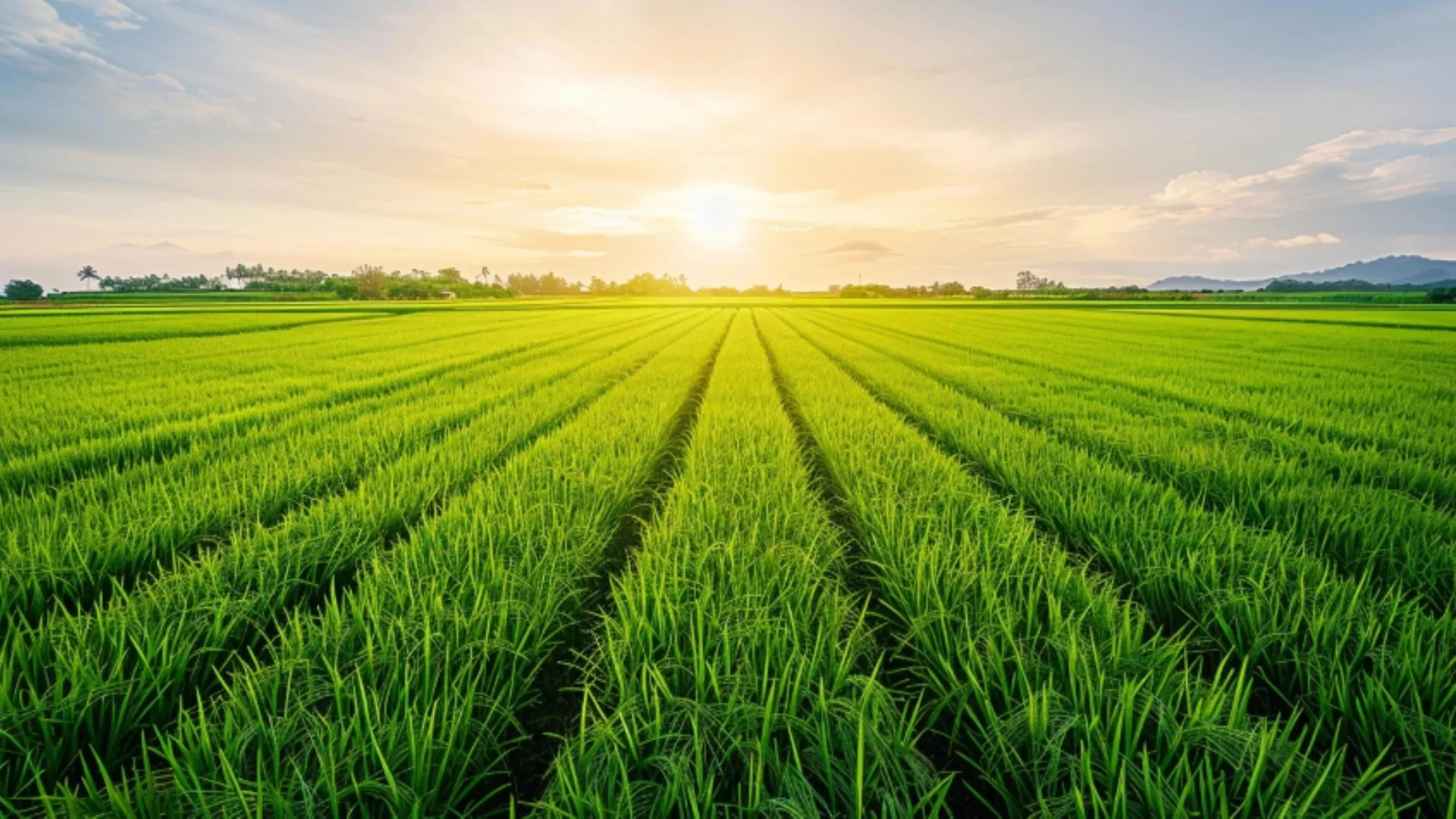
Beneficial bacteria living near plant roots can help crops grow in salty soil by strengthening their roots, according to research led by Dr. Yanfen Zheng and involving scientists at the University of East Anglia. The finding points to a possible biological tool for farmers dealing with farmland made less productive by salt buildup.
The study, published in Science Advances, focused on pseudomonads, a group of naturally occurring soil bacteria. Researchers reported that these microbes did not protect plants by blocking salt from entering their tissues, as might have been expected. Instead, they prompted plants to make more lignin, the tough structural material found in plant cell walls.
Salt-stressed roots drew the same bacteria
Soil salinity is a growing problem for agriculture, the University of East Anglia said, citing climate change, irrigation practices and rising sea levels as drivers. Salt can slow plant growth, harm roots and reduce harvests.
To study how plants and microbes respond, the researchers examined root microbiomes from several crop species grown in different soils. They found that pseudomonads repeatedly accumulated around roots exposed to salty conditions, including in maize, tomato and rapeseed.
The team said that pattern suggests a broader plant response rather than an effect limited to one crop. Genetic analysis showed that pseudomonads carry genes linked to salt tolerance, including sodium transport systems and other stress-resistance features, according to Prof. Jonathan Todd of UEA’s School of Biological Sciences and the Quadram Institute.
Tests showed gains in soybean
The researchers then applied selected pseudomonad strains to soybean plants. In greenhouse experiments and field trials, the bacteria colonized roots and improved plant performance under saline conditions, the team reported.
According to Todd, treated plants developed stronger root systems, grew better and produced higher yields than untreated plants grown in salty soil. The University of East Anglia did not present the yield figures in its summary of the work.
The mechanism surprised the researchers because the bacteria did not appear to alter sodium movement or ion balance inside the plant. For years, salt tolerance in crops has often been studied through the lens of sodium control, Todd said.
The study instead found a rise in lignin production in bacteria-treated roots. Some measurements showed lignin content increasing by more than 30% under salt stress, according to the researchers.
Lignin was central to the effect
Lignin helps reinforce plant tissues and supports cell walls. The researchers identified genes tied to the increase in lignin production, then tested their role.
When those genes were artificially overexpressed, plants performed better in salty soil, the team reported. Plants unable to produce lignin did not gain protection from the bacteria, which the researchers said shows lignin biosynthesis is required for the protective effect.
The authors said the work could support development of bio-based treatments using naturally occurring microbes such as pseudomonads. Todd said such treatments could help crops grow in saline soils without relying heavily on chemical inputs.
The paper, “Pseudomonads associated to salt-stressed plants facilitate stress adaption of soybean through enhanced lignin biosynthesis,” was published in Science Advances. Its authors include Yanfen Zheng, Youqiang Wang, Ziyan Wang, Zhe Li, Jonathan D. Todd and colleagues.
This story draws on original reporting from ScienceDaily.