
Semaglutide tied to lower fracture risk in diabetes study
An Endocrine Society study of nearly 60,000 adults found fewer fractures among semaglutide users than among patients taking other weight-loss drugs.
By Lucas Ferreira · Science & Environment Writer
3 min read
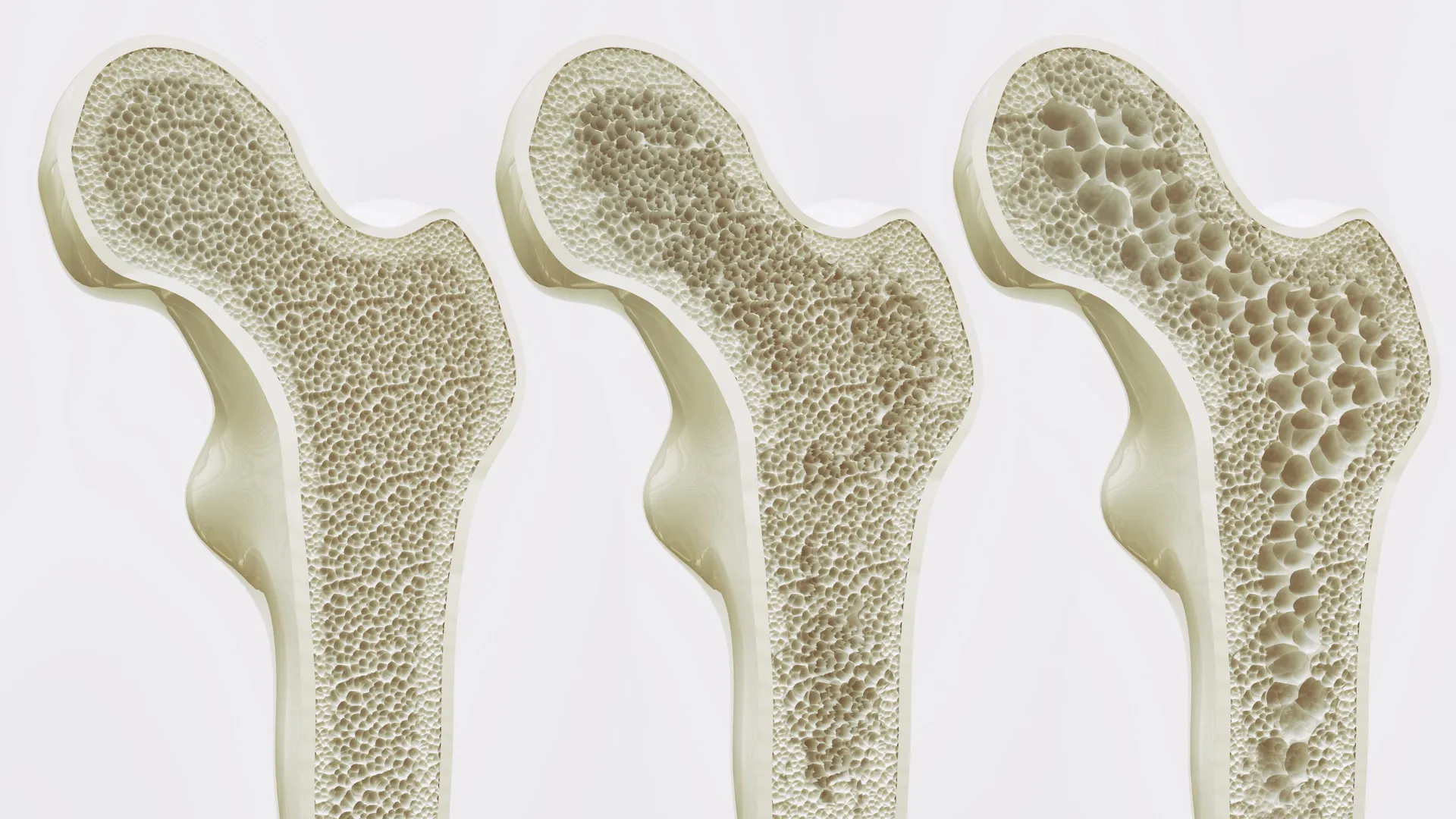
People with type 2 diabetes who took semaglutide had fewer bone fractures than similar patients using several other weight-loss medicines, according to research presented at ENDO 2026. The finding matters because rapid weight loss has raised concern among clinicians about possible bone loss and fracture risk.
The Endocrine Society said the study linked semaglutide use to a 15% lower fracture risk compared with dulaglutide, phentermine/topiramate or bupropion/naltrexone. The patients taking semaglutide also had larger declines in body mass index, according to the researchers.
Semaglutide is sold under brand names including Ozempic, Wegovy and Rybelsus. The drug is part of the GLP-1 receptor agonist class, which is used in treatment for type 2 diabetes and obesity, according to the Endocrine Society.
Study used U.S. health record data
The research was presented Sunday at the Endocrine Society’s annual meeting in Chicago. The study was led by Jairo Noreña, M.D., a former endocrinology fellow at Stanford University Medical Center in Palo Alto, California, according to the society.
Noreña’s team examined electronic health records from the Atropos Health Eos database, which the Endocrine Society said contains records for 161 million patients treated at U.S. community hospitals and academic medical centers. The study period ran from January 2016 through December 2023.
The analysis included adults 18 and older with type 2 diabetes. The researchers excluded people with previous fractures and those who had used osteoporosis medicines, according to the Endocrine Society.
The semaglutide group included 26,324 patients. The comparison group included 33,555 patients who had used dulaglutide, phentermine/topiramate or bupropion/naltrexone and had no earlier semaglutide use, the society said.
Fractures were lower in the semaglutide group
Researchers counted 794 fractures among semaglutide users and 1,045 fractures in the comparison group, according to the Endocrine Society. The semaglutide patients also had a greater reduction in BMI than patients taking the other medications.
The result runs against a concern raised by earlier research: that faster weight loss with GLP-1 drugs could reduce bone density and increase fracture risk. The Endocrine Society said gradual weight loss may help preserve bone density, while semaglutide is known to produce more weight loss than many older anti-obesity drugs.
The researchers described the findings as an association, not proof that semaglutide prevents fractures. They said prospective studies are needed to test whether the drug has a protective effect on bone health.
“Bone fractures are painful, expensive and can seriously affect quality of life — especially as people get older,” Noreña said in the Endocrine Society release. “We hope this study encourages monitoring of bone health in weight-loss programs.”
Noreña also called the work “an important early step” in understanding how weight loss tied to semaglutide may affect bones in patients with type 2 diabetes, according to the society.
This story draws on original reporting from ScienceDaily.