
Sea anemone study finds an alternate route to antiviral defense
Researchers say a protein in sea anemones points to a separate evolutionary path for animal antiviral immunity.
By Lucas Ferreira · Science & Environment Writer
3 min read
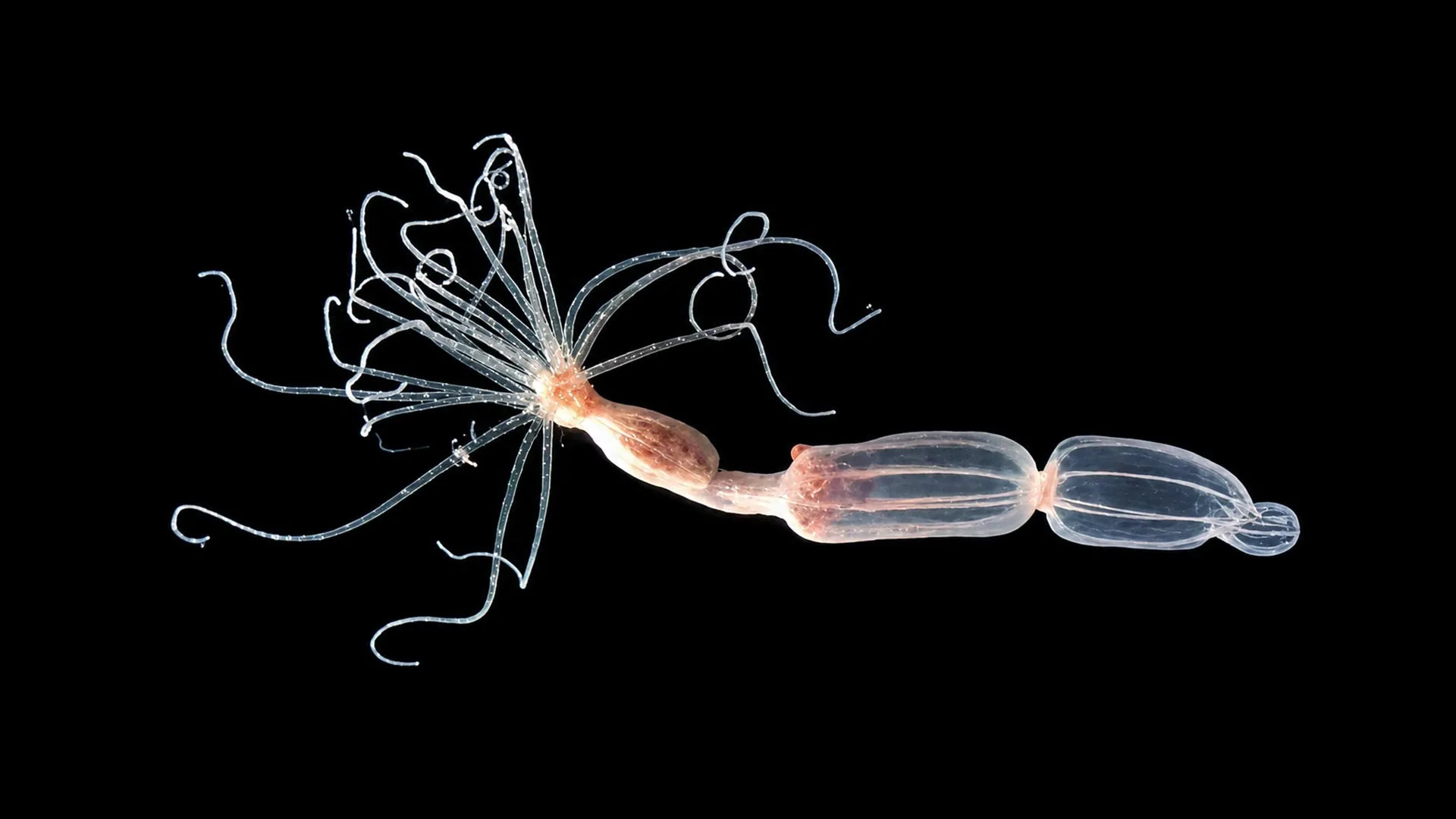
Sea anemones use an antiviral defense system that differs sharply from the one known in humans, according to researchers at the Hebrew University of Jerusalem. The finding matters because it suggests animal immune systems may not trace back to one shared antiviral blueprint.
The study, led by doctoral candidate Ton Sharoni and Prof. Yehu Moran at Hebrew University with collaborators at the University of North Carolina at Charlotte, was published in Nature Ecology & Evolution. The team studied Nematostella vectensis, a sea anemone species used in laboratories to examine early animal evolution.
A familiar-looking protein with a different job
According to Hebrew University, the researchers focused on how sea anemones respond to viral threats because the animals split from the lineage leading to humans more than 600 million years ago. Their relationship to corals and jellyfish makes them useful for studying immune features that emerged early in animal history, the university said.
In humans and other vertebrates, a protein called MAVS helps set off antiviral immune responses after a virus is detected. The researchers identified a sea anemone protein they named CARDIB, short for CARD Inhibitor Binding protein, and found that it closely resembled MAVS in some molecular features.
Hebrew University said the team initially expected CARDIB to work like MAVS. Instead, the experiments showed that CARDIB normally restrains antiviral signaling rather than activating it.
Moran, head of Hebrew University’s Department of Ecology, Evolution and Behavior, said the result ran against what the protein’s structure seemed to predict. Sharoni said the work showed that the immune “brake” provided by CARDIB was needed for an effective response to infection, according to the university.
Gene editing tested the protein’s role
To test CARDIB’s function, the team used CRISPR gene editing to remove the gene from sea anemones and then exposed the animals to viruses, Hebrew University said. Anemones without CARDIB were more vulnerable to infection, and viruses multiplied faster in them than in animals with the gene intact.
The university said the modified sea anemones also failed to activate antiviral defenses properly. The researchers concluded that CARDIB and related genes are part of an antiviral pathway that protects the animals even though it operates differently from the pathway centered on MAVS in humans.
The team also tested whether the pathway mattered outside the laboratory. According to Hebrew University, genetically altered sea anemones were placed in outdoor marine mesocosms in South Carolina that received natural estuarine water, exposing them to environmental viruses and microorganisms.
Within days, the university said, animals lacking CARDIB and related antiviral genes carried substantially more viruses than unmodified anemones. One immune gene that had looked only moderately important in lab tests became clearly significant under those more natural conditions, according to the researchers.
Implications for immune evolution
The findings challenge the view that animals inherited one core antiviral system from a common ancestor, Hebrew University said. The researchers argue that evolution may have produced multiple effective molecular strategies for detecting and limiting viral infections.
The study also shows the value of examining animals beyond common laboratory models such as mice, according to the university. Researchers said ancient marine organisms can reveal immune mechanisms that would be missed by studying only humans and other heavily researched species.
This story draws on original reporting from ScienceDaily.