
Scotland seal census finds harbor seals at 30-year low
A NatureScot-commissioned survey found Scotland’s harbor seal population has fallen to about 28,000, with gray seal counts also down.
By Lucas Ferreira · Science & Environment Writer
3 min read
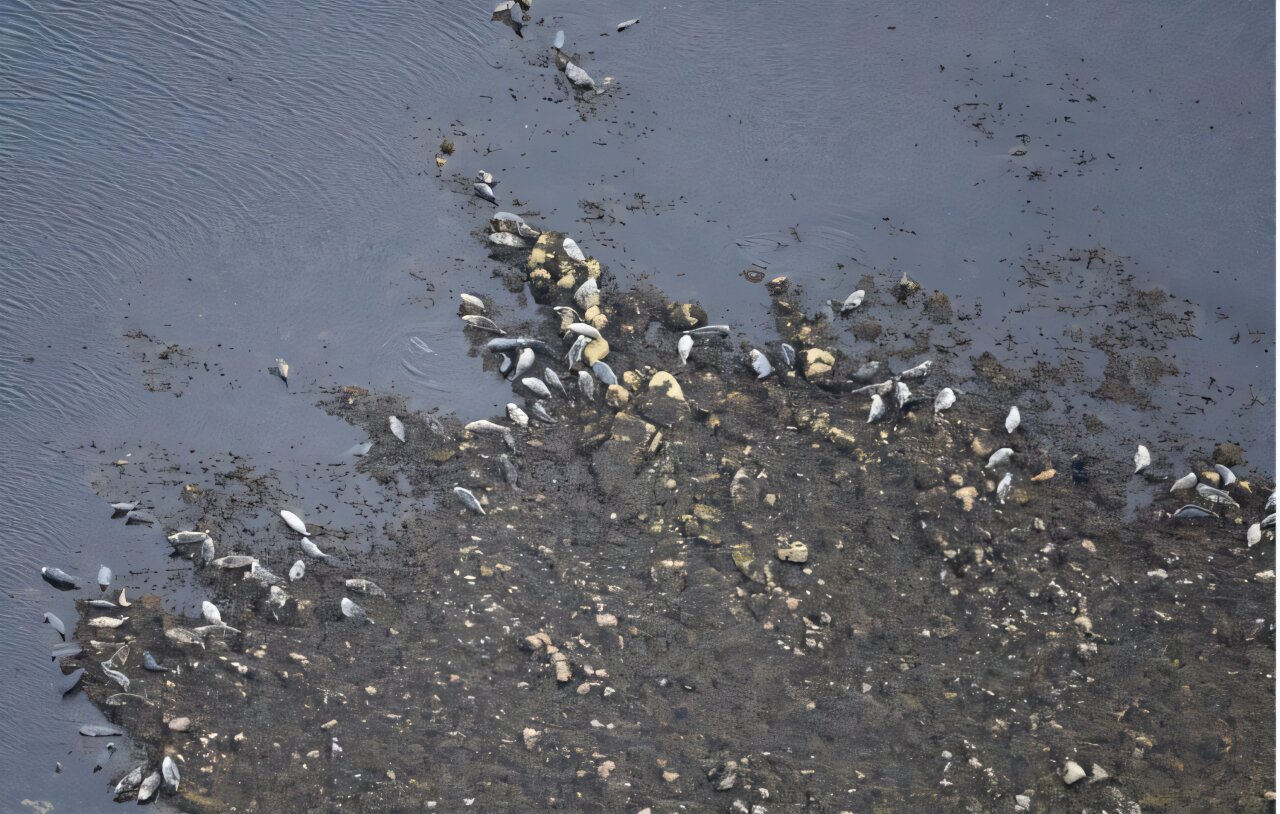
Scotland’s harbor seal population has fallen to its lowest level in a 30-year monitoring record, according to new research from the University of St Andrews. The decline matters because Scottish harbor seals are genetically distinct from populations in England and continental Europe, making their loss a conservation concern beyond Scotland.
The report, commissioned by NatureScot and carried out by the Sea Mammal Research Unit, or SMRU, covers the sixth Scottish census of seal abundance using August haulout counts from 2021 to 2025. The work extends a time series that now spans three decades, according to the university.
SMRU found that Scotland’s harbor seal population fell by about 25% between the two most recent censuses. The current estimate is about 28,000 animals, the lowest figure in the monitoring record, according to the report.
Sharp regional declines
The University of St Andrews said harbor seals had appeared to be recovering after steep falls in northern and eastern Scotland in the early 2000s. But a 2025 report by the Special Committee on Seals found that numbers on the west coast, a key area for the species, dropped by about 20% between 2018 and 2023.
The 2025 surveys added pressure to that picture, according to SMRU. In Orkney, the long-term decline continued, leaving harbor seal abundance about 90% below the level recorded in the late 1990s.
Shetland showed one of the most concerning changes, SMRU said. Counts there fell by about 45% between 2019 and 2025, after having appeared broadly stable for roughly 20 years.
Dr. Debbie Russell, deputy director of SMRU and its lead seal population ecologist, said the latest counts point to the loss of about 10,000 harbor seals over five years. She said that scale of decline cannot be explained by lower birth rates or reduced survival among young seals alone, and indicates losses among adult animals.
Gray seal counts also fall
The report also raises concern about Scotland’s gray seals, though researchers said the signal is harder to interpret. Gray seal abundance is tracked through pup counts and the August surveys, according to the University of St Andrews.
After years of growth, the number of gray seal pups born in Scotland appears to have flattened at about 55,000 in 2023, the university said. August counts had also been rising, but the latest census showed a decline of more than one-third compared with 2016 to 2019.
SMRU said the gray seal decline was driven largely by Orkney, where counts were 60% lower than in the previous census. Russell said gray seal counts vary more than harbor seal counts, and that some of the drop could reflect temporary movement to England or continental Europe rather than mortality.
Causes under investigation
SMRU is examining several possible reasons for the harbor seal decline, according to the university. These include disease, environmental change, reduced prey availability possibly linked to climate change, and interactions with gray seals, including competition and predation.
NatureScot marine mobile species monitoring adviser Rona Sinclair said the survey results show the need for continued long-term monitoring. She said NatureScot will keep working with SMRU and other partners to understand what is causing the declines and what may be limiting harbor seal recovery.
SMRU director Dr. Carol Sparling said Scotland holds internationally important seal populations and that changes on this scale raise questions about the condition of the marine environment. She said long-term monitoring can show where populations are changing, while further work is needed to explain why.
The full NatureScot research report is available online.
This story draws on original reporting from Phys.org.