
Experimental compounds push pancreatic cancer cells toward death
A study in Oncotarget found PCAI compounds killed KRAS-mutant pancreatic cancer cells and sharply reduced their movement in lab tests.
By Tom Brennan · Health & Medicine Correspondent
3 min read
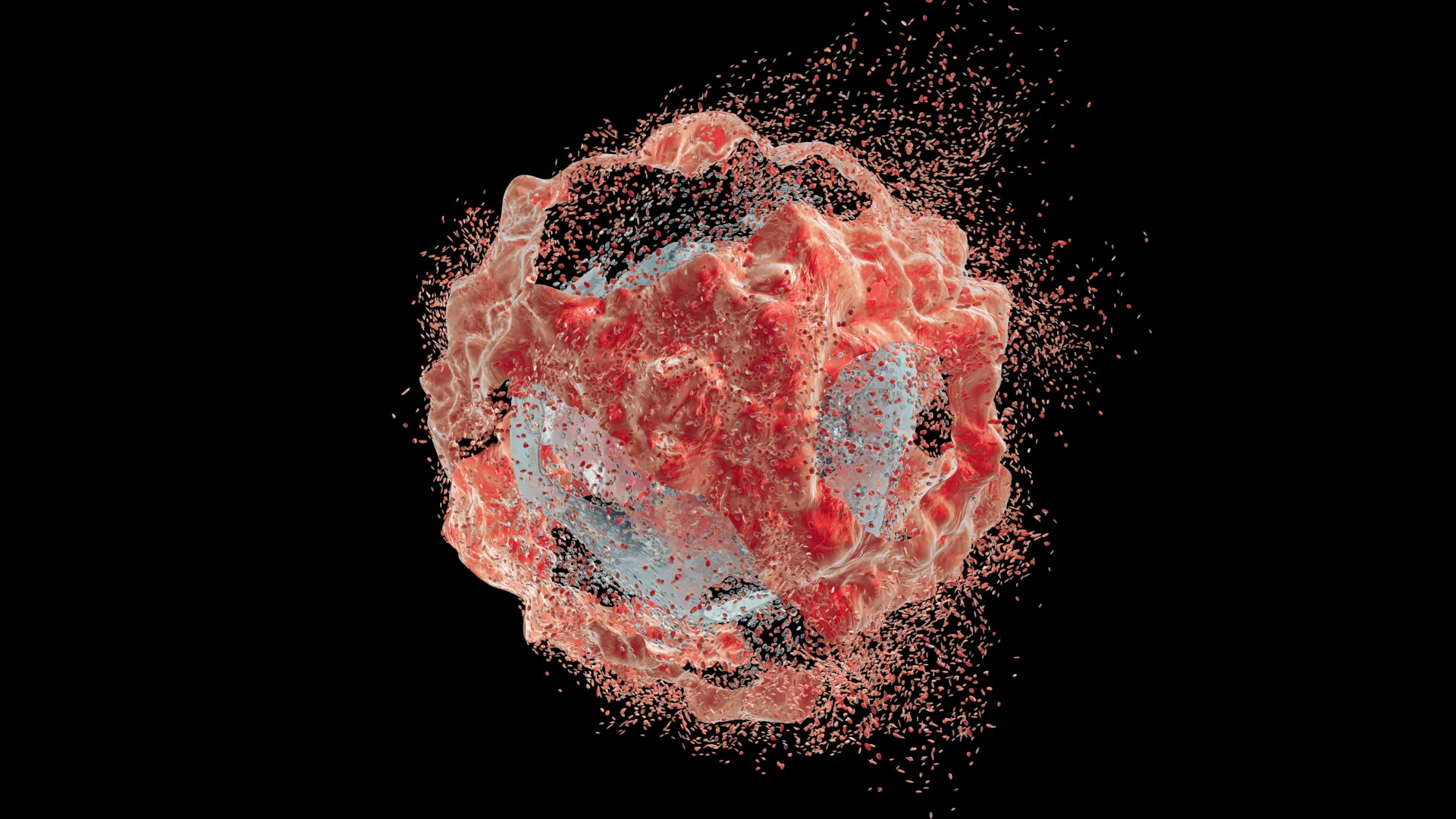
Researchers have reported an experimental strategy that made pancreatic cancer cells die and lose much of their ability to move in laboratory models. The findings matter because pancreatic ductal adenocarcinoma remains difficult to treat, in part because many tumors carry KRAS mutations that help drive growth, according to Impact Journals LLC and the study authors.
The work was published in Oncotarget by Kweku Ofosu-Asante, Nazarius S. Lamango and colleagues at Florida A&M University College of Pharmacy and Pharmaceutical Sciences, Institute of Public Health. The researchers tested a class of experimental compounds known as polyisoprenylated cysteinyl amide inhibitors, or PCAIs, in pancreatic cancer cells with KRAS mutations.
Impact Journals LLC said the compounds were designed to interfere with abnormal signaling tied to oncogenic G-proteins, using a different approach from drugs aimed at the KRAS G12C mutation. The researchers said that broader activity could be useful because existing KRAS-targeted therapies do not cover many patients with KRAS-driven cancers.
Lead compound blocked cell migration
In the study, two PCAI compounds showed strong anticancer activity, and the team focused further testing on one compound called NSL-YHJ-2-27. According to Impact Journals LLC, the compound reduced pancreatic cancer cell viability and sharply curtailed migration, a process tied to cancer spread.
At a concentration of 1 µM, NSL-YHJ-2-27 blocked more than 90% of pancreatic cancer cell migration, the researchers reported. That result suggests the compound may have potential to limit metastasis, though the findings come from experimental models rather than patient trials.
The researchers also found that PCAI treatment lowered levels of monomeric G-proteins involved in cancer cell movement and invasion. Impact Journals LLC said the treatment disrupted the actin cytoskeleton, leaving cancer cells rounder and less mobile.
Pathways were overactivated, not suppressed
A central finding involved the MAPK and PI3K/AKT signaling pathways, which are commonly linked to cancer growth. Rather than reducing their activity, the PCAI compounds drove unusually high activation of those pathways, according to the Oncotarget study.
The researchers reported that excessive activation appeared to push cells toward programmed death. PCAI-treated cells showed higher levels of reactive oxygen species, activation of caspase enzymes, increased levels of the pro-apoptotic protein BAX and broad apoptosis, according to Impact Journals LLC.
The team also analyzed changes in gene activity after treatment. The study found increased activity in several tumor-suppressing genes and lower activity in genes associated with cancer progression and metastasis, according to the researchers.
Tests in 3D tumor models
The researchers tested the compounds in three-dimensional tumor spheroids, which more closely resemble tumor structures than flat cell cultures. Impact Journals LLC said PCAI treatment caused the spheroids to break apart, reduced invasion into surrounding tissue-like material and increased apoptotic cells.
The authors concluded that PCAIs can attack pancreatic cancer cells through several linked effects: disrupting signaling networks, increasing oxidative stress, changing gene activity and triggering apoptosis. They said the findings support further study of PCAIs as possible treatments for pancreatic cancer and other cancers driven by KRAS mutations.
The results remain preclinical. The study did not report testing in patients, and further research would be needed to determine safety, dosing and effectiveness in humans.
This story draws on original reporting from ScienceDaily.