
Sardis gains UNESCO status after decades of excavation
The ancient city in western Turkey has yielded evidence spanning millennia through one of the region’s longest-running archaeological projects.
By Priya Raghavan · Science Reporter
3 min read
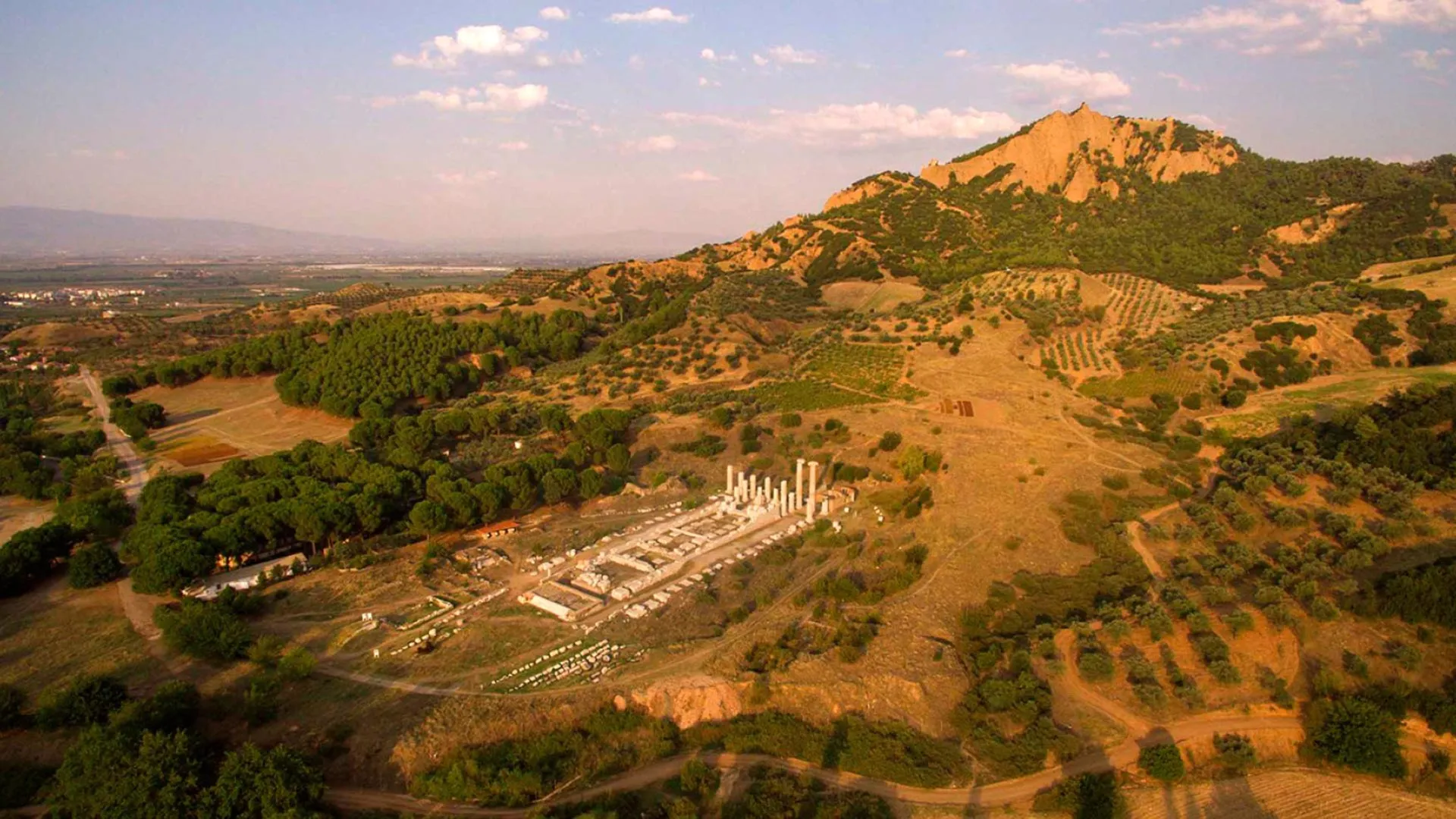
The ancient city of Sardis in western Turkey has been added to UNESCO’s World Heritage List after nearly seven decades of continuous archaeological work, Cornell University said. The designation recognizes a site where researchers have documented layers of Lydian, Greek, Roman, Byzantine and Ottoman history without a modern city covering most of the remains.
The Harvard Cornell Exploration of Ancient Sardis has sent archaeologists to the site every year since 1958, according to Cornell. Benjamin Anderson, a Cornell associate professor of history of art and visual studies, said that institutional continuity has allowed researchers to build an unusually large body of evidence over time.
Anderson has recently worked on recording structures and walls on the acropolis, which Cornell said became an important center after the Roman period during Byzantine rule. He said the material record now lets scholars test and expand what ancient written accounts say about Sardis.
A city with many historical layers
Sardis was once the capital of the Iron Age kingdom of Lydia and sat between the Mediterranean and the Anatolian plateau, Cornell said. Annetta Alexandridis, a Cornell associate professor of history of art and classics and associate director of the excavation, described the city as a meeting point for eastern and western cultures.
The Lydians are widely associated with the invention of coinage, and their king Croesus became known in antiquity for wealth, according to Cornell. Alexander the Great later took control of Lydia, and Sardis subsequently came under Roman, Byzantine and Ottoman rule.
Alexandridis said the absence of a large modern city on top of Sardis allows archaeologists to study remains from the Bronze Age through the present. She also said those overlapping layers can complicate excavation because later and earlier remains often cut into one another.
Her current work includes a survey of cemeteries around Sardis, Cornell said. Those burial areas have received less attention than Bin Tepe, a cemetery about 10 kilometers north of the city that contains some of the largest recorded tumuli, or burial mounds.
Excavation and restoration
Cornell said the first modern excavation at Sardis began in the early 20th century under the American Society for the Excavation of Sardis. Alexandridis said that early campaign uncovered major remains, including the Temple of Artemis and the necropolis, but also raised lasting questions about damaged, missing and exported antiquities.
The project stopped during the Greco-Turkish War in the early 1920s, and some objects later returned to Turkey, according to Cornell. Alexandridis said Sardis became an early example in debates over restitution, stewardship and legal responsibility for cultural heritage.
The current Harvard-Cornell project began in 1958 under Harvard archaeologist George M. A. Hanfmann and Cornell architect Henry Detweiler, Cornell said. In the 1950s and 1960s, the team reconstructed a bath-gymnasium complex and what Cornell described as the largest synagogue in the ancient world, work that influenced later restoration efforts at other sites.
Researchers have since uncovered mud-brick city walls, the acropolis, a Persian-period refuse pit, a gold-refining workshop, an ancient commercial district and a sanctuary plaza excavated over 15 years, according to Cornell.
Training and protection
The project is now based at the Harvard Art Museums and includes Turkish institutions and several U.S. universities, Cornell said. Cornell students spend 10 weeks each summer at Sardis, where they catalog finds, mainly ceramics, or help supervise trenches that can reach 12 meters below ground on the alluvial plain.
More than half of the current researchers are Turkish experts and students, according to Cornell. Leyla Uğurer, a doctoral student who grew up near Sardis, said UNESCO recognition could draw more research, visitors, funding and protection to the region.
Protection remains a pressing concern, Cornell said. Alexandridis said erosion, farming damage to tumuli and looting by treasure hunters using heavy equipment and explosives threaten the site, even as decades of excavation continue to produce new evidence.
This story draws on original reporting from ScienceDaily.