
Researchers build screening tool for RNA-targeting antibiotics
A Skoltech-led team says its engineered E. coli system can flag compounds that block bacterial RNA synthesis, a promising route against resistant pathogens.
By Lucas Ferreira · Science & Environment Writer
3 min read
Researchers in Russia have developed a laboratory screening system designed to identify antibiotic candidates that interfere with bacterial RNA synthesis. The Skoltech-led team says the tool could speed searches for drugs against gram-negative pathogens, including multidrug-resistant Pseudomonas aeruginosa.
The work, published in the International Journal of Molecular Sciences, focuses on a mechanism that has drawn interest because relatively few approved antibiotics target it. According to the researchers, bacteria have had less exposure to RNA-synthesis inhibitors than to many older antibiotic classes.
Antibiotic resistance is fueled by uncontrolled use of the drugs, Skoltech said. The institute cited Pseudomonas aeruginosa, a microbe found in water and soil that can colonize medical equipment, as one pathogen that has gained resistance to several antibiotic classes over the past half-century and become a serious cause of hospital-acquired infections.
Skoltech also pointed to Staphylococcus aureus, which can live on healthy skin but cause diseases such as pneumonia when immunity is weakened. The institute said that bacterium has also adapted to multiple antibiotics that once worked against it.
Why the mechanism matters
The new system is meant to do more than show whether a compound kills bacteria. It is intended to help researchers identify how a candidate drug works, a step Skoltech Assistant Professor Dmitrii Lukianov described as important for addressing resistance.
Lukianov, the study’s principal investigator at Skoltech’s Center for Biomedical Technologies, said knowing a compound’s molecular mechanism can guide later chemical changes. According to Lukianov, resistance to one molecule does not necessarily rule out related compounds if researchers can modify the molecule to restore activity.
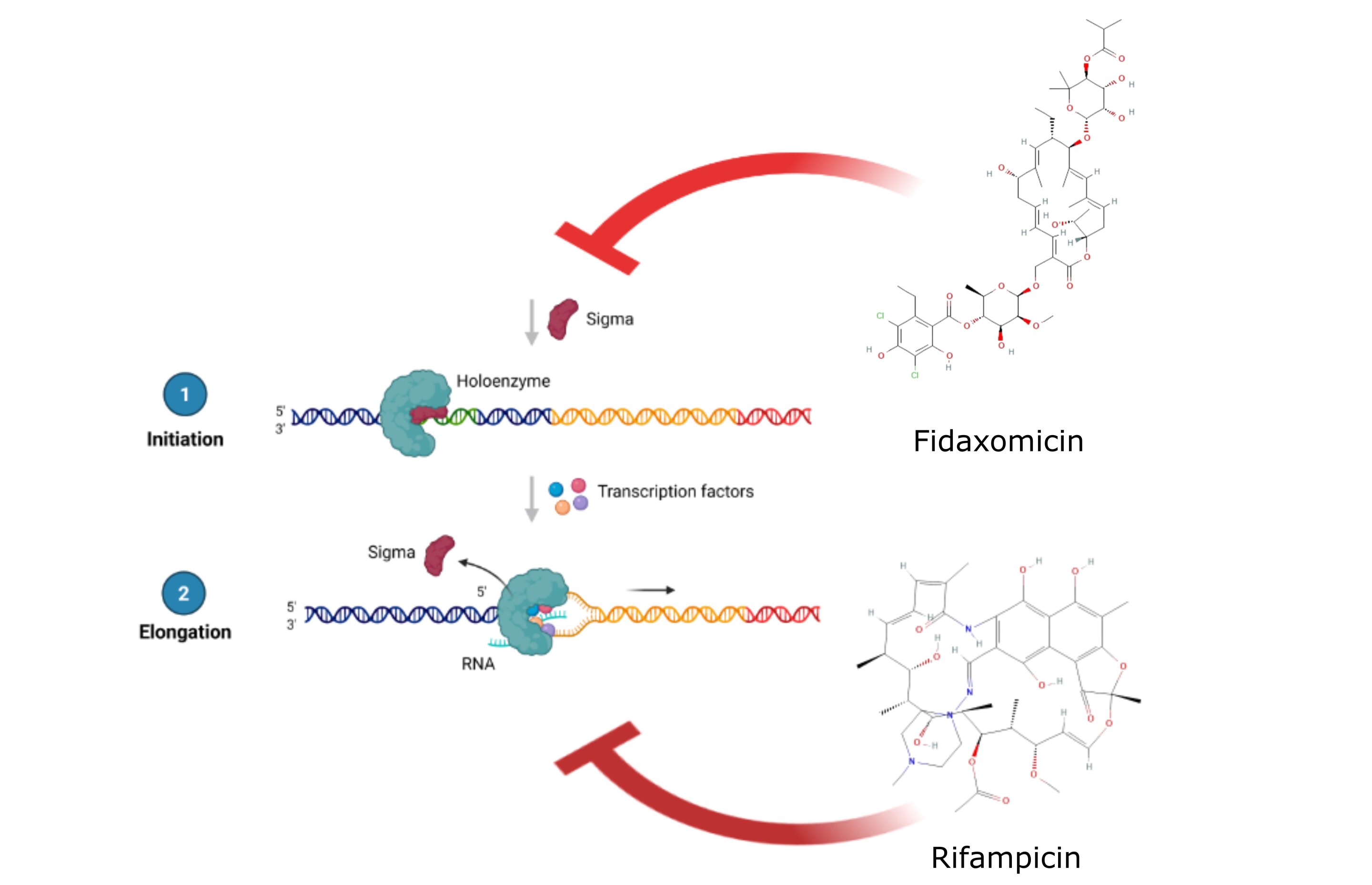
The team’s screening approach is aimed at compounds that disrupt transcription, the cellular process that produces RNA from DNA. Existing antibiotics with related action include rifampicin and fidaxomicin, which inhibit bacterial RNA synthesis at different stages, according to the study.
Lead author Anton Izzi said researchers often receive sets of candidate compounds for testing, and many may kill bacteria in lab assays. The larger issue, he said, is determining whether a compound is likely to be useful: it may also harm human cells, or it may work through a mechanism to which resistance is already common.
How the test works
The reporter system uses an engineered laboratory strain of Escherichia coli. The bacterium carries a gene that becomes more active when transcription is disrupted than when the cell experiences other kinds of stress, according to the study.
When that gene is activated, the cell produces more messenger RNA from it. The researchers detect that messenger RNA using real-time polymerase chain reaction, allowing the system to signal that a tested compound is inhibiting RNA synthesis.
Izzi said the broader reporter toolkit can distinguish among different antibiotic mechanisms. He cited tetracycline as an example of a ribosome-targeting drug and novobiocin as an example of a DNA-synthesis inhibitor, while the new system adds the ability to detect compounds acting like rifampicin by disrupting RNA synthesis.
Skoltech said this kind of reporter system can shorten the early selection process for antibiotic candidates. Without it, researchers would need to examine each compound’s molecular structure, infer likely targets and then run additional tests to confirm those targets.
The study, by Anton R. Izzi and colleagues, is titled “The Spermidine Synthase Gene as a Reporter of Transcription Inhibition in Escherichia coli.” It was published in the International Journal of Molecular Sciences with DOI 10.3390/ijms27114829.
This story draws on original reporting from Phys.org.