
Released goldfish can disrupt lakes, study finds
University of Toledo and University of Missouri researchers say escaped or dumped goldfish can cloud water, alter food webs and harm native fish.
By Tom Brennan · Health & Medicine Correspondent
3 min read
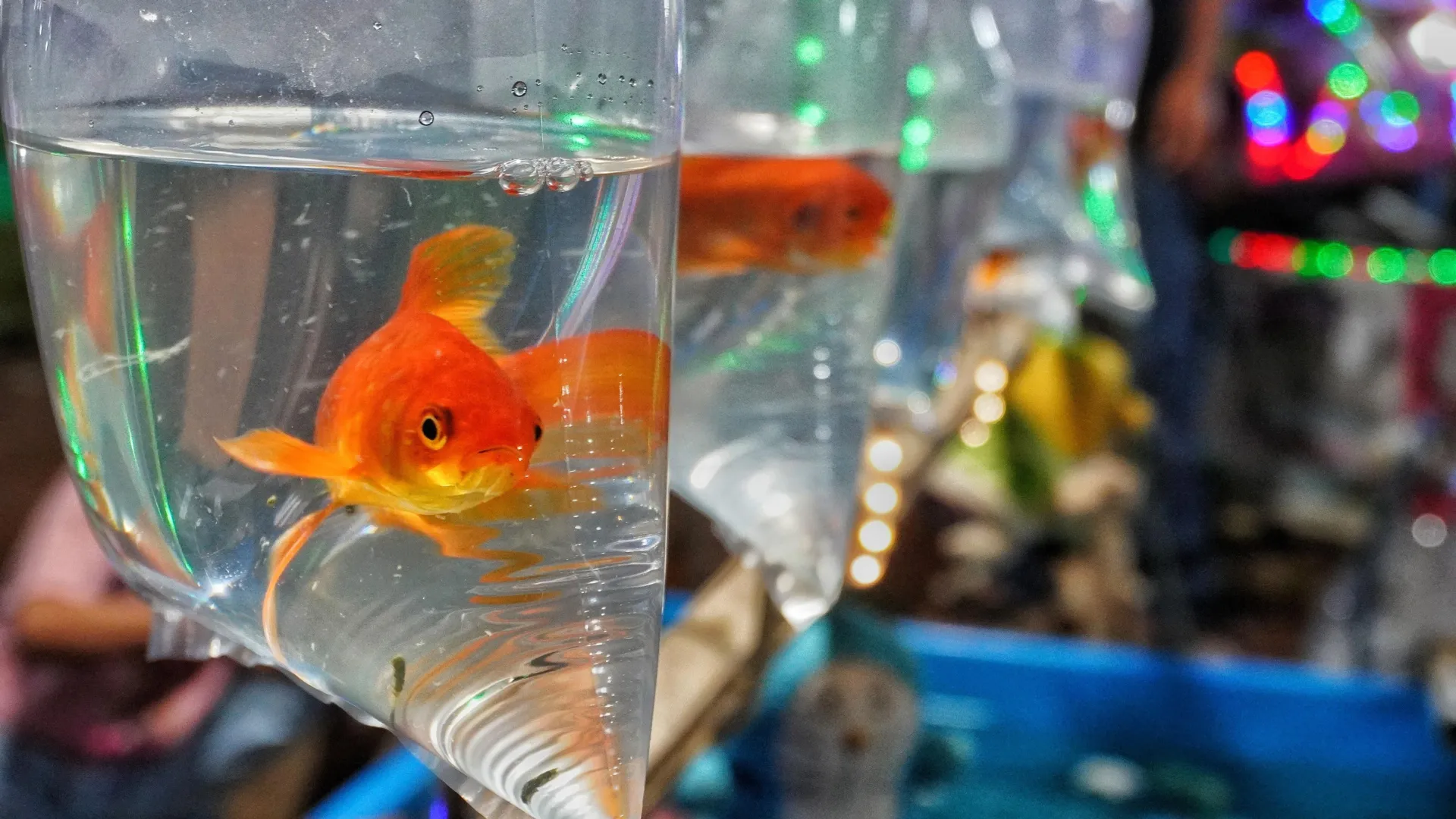
Goldfish released from aquariums can damage freshwater ecosystems, according to a peer-reviewed study by researchers at the University of Toledo and the University of Missouri. The findings matter because the common pet can survive outside captivity and, under some conditions, help push lakes into a degraded state, the researchers reported.
The study, published in the Journal of Animal Ecology, tested the effects of invasive goldfish in large outdoor freshwater mesocosms built to resemble lake environments. The research team examined how goldfish affected nutrient-poor and nutrient-rich waters, two common freshwater conditions.
In both types of water, the researchers found signs of ecological disruption after goldfish were introduced. According to the University of Toledo, goldfish reduced water quality, affected small aquatic animals and competed with native fish.
Water clarity and food webs changed
The most rapid change appeared in nutrient-rich systems, where the study found that water clarity dropped and suspended particles rose. The University of Toledo said that pattern pointed to a major shift in ecosystem conditions.
The researchers also reported declines in snails, amphipods and zooplankton. Those organisms are part of freshwater food webs, and the study linked their decline to goldfish predation and disturbance of habitat.
Native fish also fared worse in the experimental systems, according to the study. The researchers found that goldfish competed with them for food and other resources, reducing the body condition of native fish, a measure scientists use to assess population health over time.
The effects differed between nutrient-poor and nutrient-rich waters, but the research team said goldfish caused harm in both. The University of Toledo said the results suggest freshwater systems are vulnerable to damage when goldfish establish wild populations.
Researchers tied the damage to goldfish
The study used additive and substitutive experimental designs to separate the effects of goldfish from the effects of having more fish in a system overall. According to the researchers, some changes in aquatic vegetation were associated with the total number of fish, while the strongest damage was tied to goldfish themselves.
The paper also described a “regime shift,” a scientific term for the point at which an ecosystem crosses a threshold and reorganizes into a different condition. The University of Toledo said such shifts can be difficult and costly to reverse after they occur.
William Hintz, an associate professor in the University of Toledo’s Department of Environmental Sciences and Lake Erie Center and the study’s lead investigator, said pet owners need to understand the risk. “Releasing a goldfish into the wild might be seen as an act of kindness, but it can turn into a major ecological threat,” Hintz said, according to the university.
Rick Relyea, a University of Missouri professor and co-author of the study, said released goldfish can grow large, stir lake sediments, eat many prey organisms and compete with native fish. Relyea is director of the Johnny Morris Institute of Fisheries, Wetlands and Aquatic Systems at the University of Missouri.
The researchers said natural resource agencies should treat goldfish as a high-priority invasive species, with attention to prevention, early detection and control before populations become established. The University of Toledo said people who no longer want a goldfish should return it to a pet store, find another aquarium owner to take it or ask local wildlife authorities for guidance.
This story draws on original reporting from ScienceDaily.