
Brain protein Arc linked to tau spread in Alzheimer’s mouse study
Researchers report in Cell that Arc helps toxic tau move between neurons in mice, pointing to a possible way to slow Alzheimer’s progression.
By Tom Brennan · Health & Medicine Correspondent
3 min read
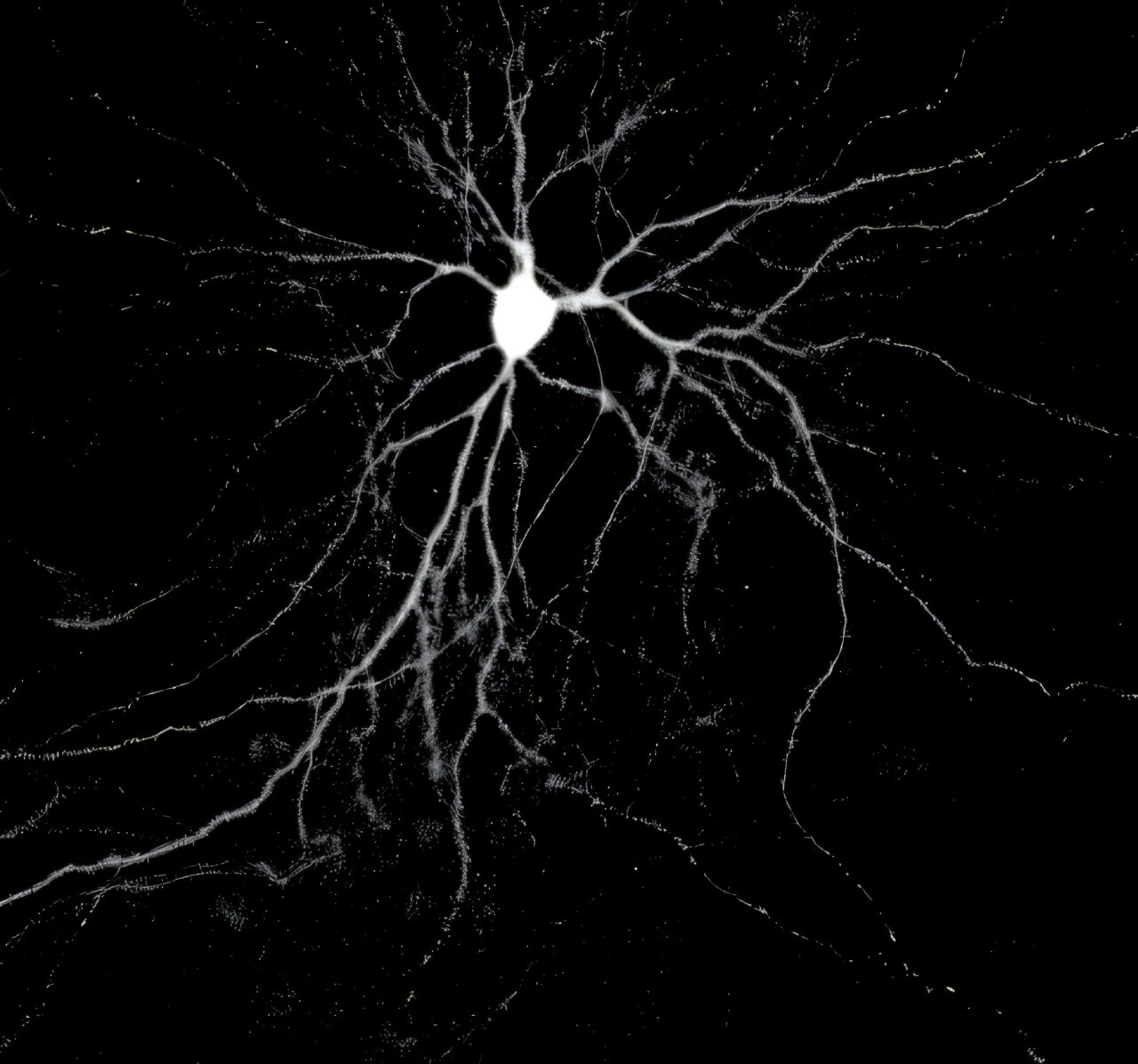
A brain protein that normally helps neurons exchange messages may also help Alzheimer’s-related tau move from damaged cells into healthy ones, University of Utah Health Sciences researchers reported. The finding matters because the spread of abnormal tau through the brain is tied to worsening symptoms and could offer a target for therapies meant to slow the disease.
The study, published in Cell, focused on Arc, a protein involved in communication between neurons. The research team found that, in a mouse model of Alzheimer’s disease, Arc was needed for toxic tau to travel between cells inside tiny membrane-bound packets known as extracellular vesicles.
Alzheimer’s disease involves buildup of tau, a protein that can form harmful tangles inside neurons, according to the University of Utah Health Sciences report. As tau pathology reaches more brain regions, symptoms progress and the disease can become fatal.
How tau appears to catch a ride
Arc usually packages itself into extracellular vesicles, or EVs, which can move from one neuron to another carrying cellular signals. The researchers found that abnormal tau can attach to Arc and travel in the same vesicles from diseased neurons to healthy ones.
Mitali Tyagi, first author of the paper and a postdoctoral research associate at Washington University in St. Louis, conducted the work while a neuroscience graduate student in Jason Shepherd’s lab at University of Utah Health. Tyagi compared tau tangles to “glue monsters,” saying the clumps can disrupt transport inside neurons and can also break into smaller tau seeds that transfer to another cell and start the process again.
In Alzheimer’s model mice, the team detected extracellular vesicles in the brain that contained both Arc and sticky tau, according to the report. Those vesicles were able to infect healthy cells and trigger new tau tangles.
When the researchers studied Alzheimer’s model mice without Arc, the vesicles contained very little tau and lost much of their ability to spread tau pathology to new cells. Tyagi said the transfer of tau was sharply reduced when Arc was removed.
A target with risks
The findings do not mean that blocking Arc outright would be a straightforward treatment, the researchers said. Arc may also help diseased neurons survive longer by allowing them to expel excess toxic tau.
In mice lacking Arc, sick neurons could not release tau in the same way and died faster, according to Tyagi. She said Arc’s presence may reduce tau buildup in the original neuron while also allowing released tau to be taken up by nearby healthy neurons.
That result led the researchers to suggest that preventing toxic tau vesicles from entering healthy cells may be more promising than stopping sick cells from releasing tau. A therapy aimed at tau-containing vesicles after they leave damaged cells but before they reach healthy ones could, in theory, limit spread without trapping tau inside already affected neurons.
Human evidence remains early
The team also found extracellular vesicles containing both Arc and tau in human brain tissue, suggesting that a similar process could occur in people. Shepherd, a professor of neurobiology at University of Utah Health and senior author of the study, cautioned that most of the work was done in mice and that the findings are not yet a treatment.
Shepherd said the mouse results provide clues about what may happen in humans, but more research is needed before any therapy can be developed. He said a future treatment that targets the relevant vesicles could be useful for people in early Alzheimer’s or dementia by slowing additional damage and cognitive decline.
The paper is titled “Arc mediates intercellular tau transmission via extracellular vesicles” and was published in Cell. Its DOI is 10.1016/j.cell.2026.06.008.
This story draws on original reporting from Medical Xpress.