
Researchers turn predator-prey chase data into an online game
Run FoVE Your Life uses animal tracking and human chase-tag data to study fatigue, pursuit tactics and escape decisions.
By Lucas Ferreira · Science & Environment Writer
3 min read
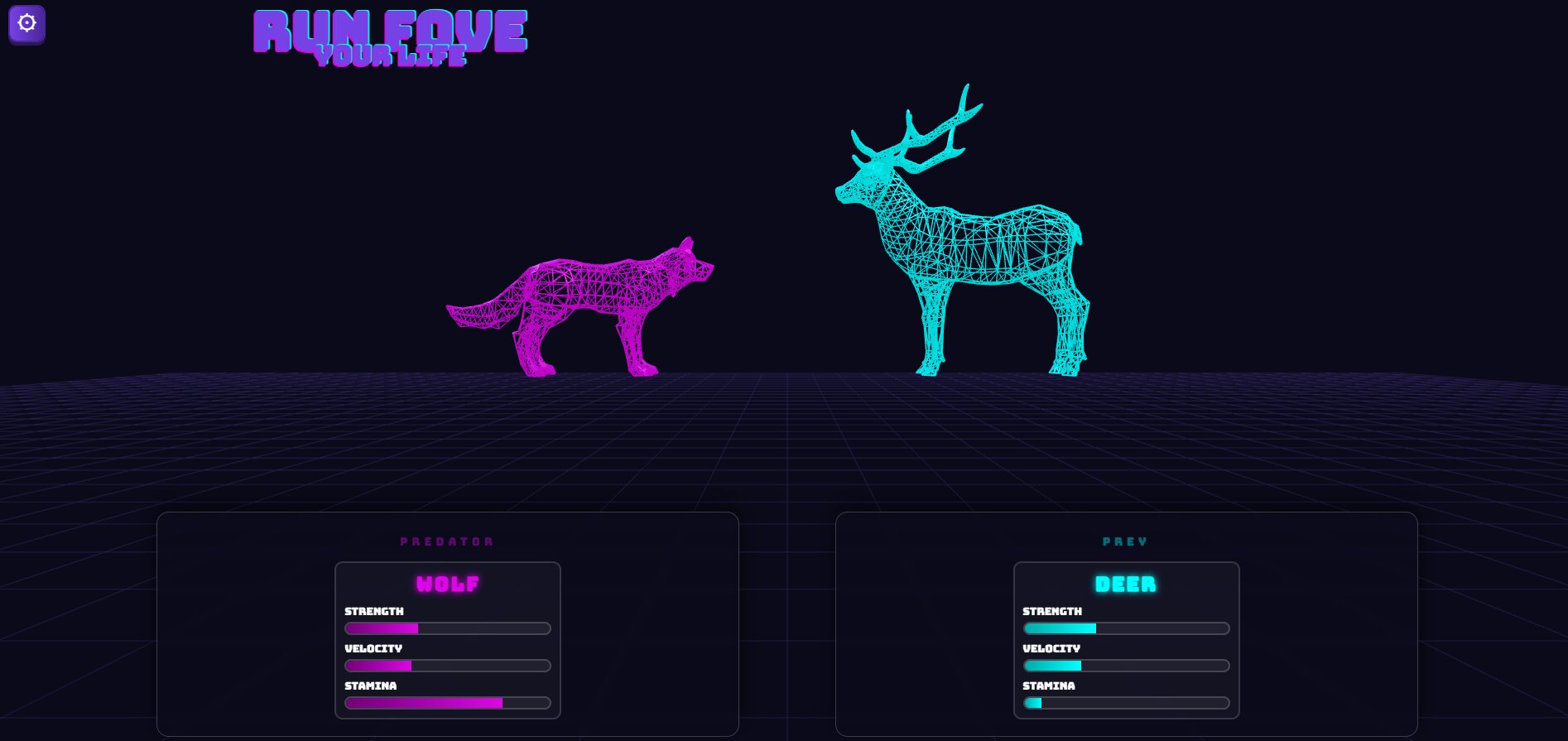
Researchers have turned data from animal pursuits and human chase-tag games into an online video game that models how predators catch prey and how prey get away. The project is meant to test how fatigue and split-second movement choices shape chases in which speed alone may not decide the outcome, according to the Society for Experimental Biology.
The work was presented at the Society for Experimental Biology conference in Florence, Italy. Dr. Baptiste Morel, an associate professor at the University of Savoie Mont Blanc in France, leads the Force-Velocity-Endurance team behind the project.
Morel’s group usually studies human athletes, according to the Society for Experimental Biology. A collaboration with an ecology lab led the team to apply sports-science methods to wild animals, estimating physical capacity and how much of it animals use during pursuit and escape.
Why human games entered the research
High-resolution movement records from wild predator-prey chases are difficult to obtain, and researchers cannot stage controlled life-or-death encounters in the wild, according to the Society for Experimental Biology. That limits how much scientists can test the links between physical ability, fatigue and successful escape or capture.
To fill part of that gap, the team studied 16 human athletes in chase-tag scenarios. The researchers recorded force, velocity and endurance while the athletes played pursuit games designed to resemble different predator-prey situations, using high-frequency GPS and accelerometry, according to the Society for Experimental Biology.
Morel said chase-tag does not match the stakes of a wild hunt because participants are not risking their lives. Still, he told the Society for Experimental Biology that predator and prey roles can produce strong exertion and anxiety even in a game setting.
The controlled trials allowed the researchers to vary the type of chase. Morel said the team ran short ambush-style trials as well as longer tracking-style pursuits.
Measuring fatigue
The project treats fatigue as a decline in muscle and movement capacity after an animal or person works above a critical threshold, according to the Society for Experimental Biology. In a chase, that decline can determine whether a predator closes the gap or whether prey survives long enough to escape.
The team assessed fatigue in two ways. The athletes sprinted before and after chase-tag bouts so researchers could compare changes in movement capacity, and blood samples were used to measure lactic acid, a marker linked to muscle chemistry changes that contribute to fatigue, according to the Society for Experimental Biology.
The resulting model became the basis for the game, called Run FoVE Your Life. Players choose predator and prey species and pursue each other in a digital arena until the prey is caught or escapes long enough to survive.
The game includes living species such as wolves, deer and humans, and also allows players to use extinct animals including Tyrannosaurus rex, according to the Society for Experimental Biology. Its movement and fatigue calculations are based on the team’s animal and human data.
Morel told the Society for Experimental Biology that the game is intended both as a way to share the research and as a participatory science tool. The team wants to compare player behavior in the digital version with the human movement data already collected.
The animal examples built into the work show why chase style matters. Morel said the team has data on wolves and African wild dogs that can sustain hunts for tens of minutes over kilometers, while a cheetah’s average chase is about 200 meters, or 656 feet, because it tires after an ambush and often fails to catch an antelope beyond that point.
Run FoVE Your Life is expected to be available online soon, according to the Society for Experimental Biology. Anyone with a computer and another player will be able to try it.
This story draws on original reporting from Phys.org.