
Misfolded insulin diabetes link points to beta-cell stress in study
Researchers say BiP and p58IPK help pancreatic beta cells fold proinsulin, pointing to a possible way to protect insulin production.
By Lucas Ferreira · Science & Environment Writer
3 min read
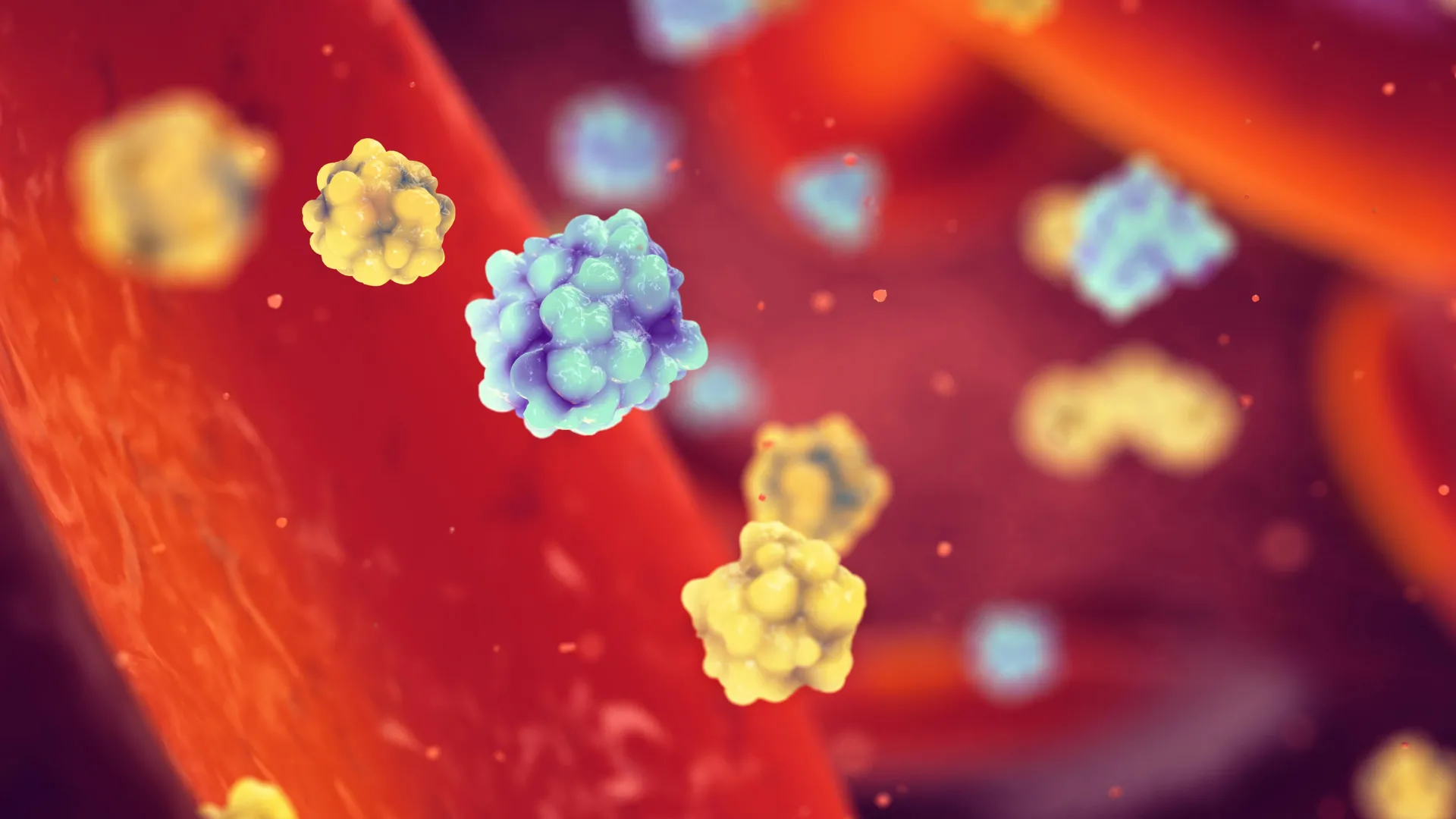
A misfolded insulin diabetes connection may offer a new target for protecting the pancreas as the disease advances, according to researchers at Sanford Burnham Prebys and the University of Michigan. Their study found that insulin-producing beta cells rely on a coordinated set of helper proteins to fold proinsulin correctly; when one key partner was missing, damaged proinsulin built up and insulin output fell.
The findings were published June 1, 2026, in the Proceedings of the National Academy of Sciences. Sanford Burnham Prebys said the work suggests that improving the cell’s protein-folding machinery could become a way to limit damage to beta cells, which are central to blood sugar control.
How could misfolded insulin affect diabetes?
Beta cells in the pancreas track glucose in the blood and release insulin when sugar levels rise. Proinsulin is the precursor protein that beta cells process into insulin, and it must fold into the right three-dimensional form before that process can work properly.
Previous research had shown that misfolded proinsulin can accumulate during diabetes and stress beta cells, according to Sanford Burnham Prebys. The new study focused on which helper proteins manage that folding process and how failures in that system affect insulin production.
The researchers studied binding immunoglobulin protein, known as BiP, a chaperone protein that helps guide protein folding inside cells. They also examined cochaperones, partner proteins that work with BiP, including one called p58IPK.
To track BiP in beta cells, the team engineered mice so the protein carried a detectable peptide marker known as a 3xFLAG tag. That marker allowed the researchers to isolate and study BiP and its interactions more easily during experiments.
What the researchers found
In two modified cell lines, removing p58IPK led to higher levels of misfolded proinsulin, according to the study. Mice that were engineered not to produce p58IPK showed a similar pattern: their beta cells produced lower amounts of both proinsulin and insulin.
When the researchers restored p58IPK in one of the altered cell lines, the cells became better at folding and transporting proinsulin and accumulated fewer faulty copies. But the improvement depended on BiP also being present, showing that p58IPK did not act as a substitute for BiP.
The team also tested whether extra BiP could make up for the absence of p58IPK. Cells that had more BiP but no p58IPK showed only limited improvement in proinsulin folding and movement, while cells with both proteins performed better, according to Sanford Burnham Prebys.
The investigators also identified other proteins involved in folding, moving and managing proinsulin inside beta cells. Sanford Burnham Prebys said more research is needed to determine how those proteins affect insulin production and diabetes progression.
Why the finding points to a treatment idea
Most current diabetes drugs do not directly address proinsulin folding, according to Sanford Burnham Prebys. They more commonly work by helping tissues take up glucose or by prompting the pancreas to release more insulin.
Randal J. Kaufman, senior and corresponding author of the study and a professor at Sanford Burnham Prebys, said the findings connect proinsulin folding problems with cellular stresses linked to beta-cell failure in type 2 diabetes. The researchers said therapies that improve the coordinated activity of BiP and its partners could, if supported by further work, offer a strategy for protecting insulin-producing cells earlier in disease.
Additional authors included Insook Jang, Alec Duffey and Pamela Itkin-Ansari of Sanford Burnham Prebys, and Peter Arvan of the University of Michigan. The study was supported by the National Institutes of Health, the National Institute of Diabetes and Digestive and Kidney Diseases, the National Cancer Institute and Breakthrough T1D, formerly JDRF.
This story draws on original reporting from ScienceDaily.