
Lipid droplet antiviral defense may point to broad-spectrum virus drugs
La Trobe-led research finds lipid droplets can recruit antiviral proteins and curb viral replication, suggesting a new drug strategy.
By Priya Raghavan · Science Reporter
3 min read
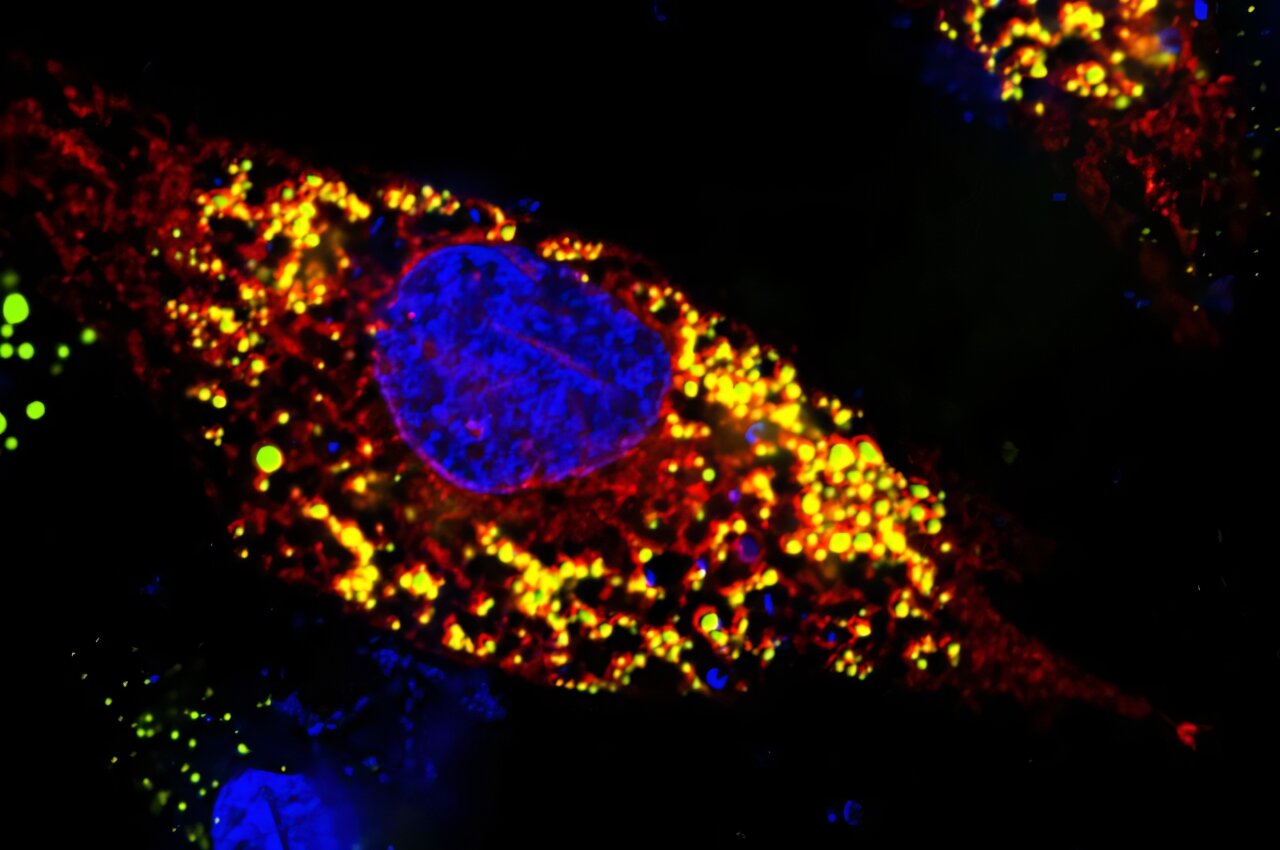
La Trobe University scientists say a lipid droplet antiviral defense inside cells may help stop viruses from spreading. The finding, reported in Nature Communications, matters because it points to a possible antiviral strategy based on strengthening the body’s early immune response rather than designing drugs for one virus at a time.
The study found that lipid droplets, fatty structures inside cells, can change their makeup to include specific fatty acids and help signal for antiviral proteins, according to La Trobe University. Researchers reported that the droplets played a role in limiting viral replication and supporting immune signaling during infection.
La Trobe said the team also built artificial lipid droplets containing two of the fatty acids identified in the study. Those artificial droplets reduced viral replication and increased antiviral immune signals, according to the university.
What are lipid droplets?
Lipid droplets are fat-containing structures inside cells. La Trobe said they had long been viewed mainly as storage sites for fat, but the new study describes them as active participants in the early response to viral infection.
The research examined how lipid droplets work with antiviral proteins. A La Trobe microscopy image of a Zika-infected brain cell showed BODIPY-marked lipid droplets and Viperin antiviral proteins in the same areas, according to the university.
How could lipid droplets help fight viruses?
The researchers found that lipid droplets can alter their structure by adding particular fatty acids while also helping bring in proteins involved in antiviral defense, La Trobe said. That combination may help restrict viral spread inside infected cells.
Professor Karla Helbig, the study’s lead researcher, said the work changes how scientists should think about lipid droplets. According to La Trobe, Helbig said the structures should be considered active control points in antiviral defense, rather than passive fat stores.
Helbig also said the results suggest a way to develop antivirals that do not target viruses directly, La Trobe reported. Because viruses can develop resistance to drugs aimed at specific viral parts, the study points instead to strengthening host-cell defenses by changing lipid droplets or delivering antiviral fats.
Why researchers see pandemic potential
Co-lead researcher Dr. Ebony Monson said the work could help with future pandemic planning, according to La Trobe. She cited COVID-19’s toll in deaths and economic damage and said current defenses rely heavily on vaccines, which take time to make and are designed against specific viruses.
Monson said viruses can mutate quickly enough to evade vaccine protection, La Trobe reported. She said a drug approach aimed at a shared cellular pathway could strengthen immune response and reduce disease burden across different viral threats.
The study was carried out with researchers from La Trobe University, the University of Sydney, RMIT and the University of Melbourne’s Bio21 Institute. The paper, titled “Integrative proteomics and lipidomics reveals dual roles for lipid droplets in the host cell antiviral response,” was published in Nature Communications.
This story draws on original reporting from Phys.org.