
Kelp restoration review points to local partnerships as key
A global study found kelp recovery efforts are strongest when scientists work with fishers, Indigenous groups and coastal communities.
By Priya Raghavan · Science Reporter
2 min read
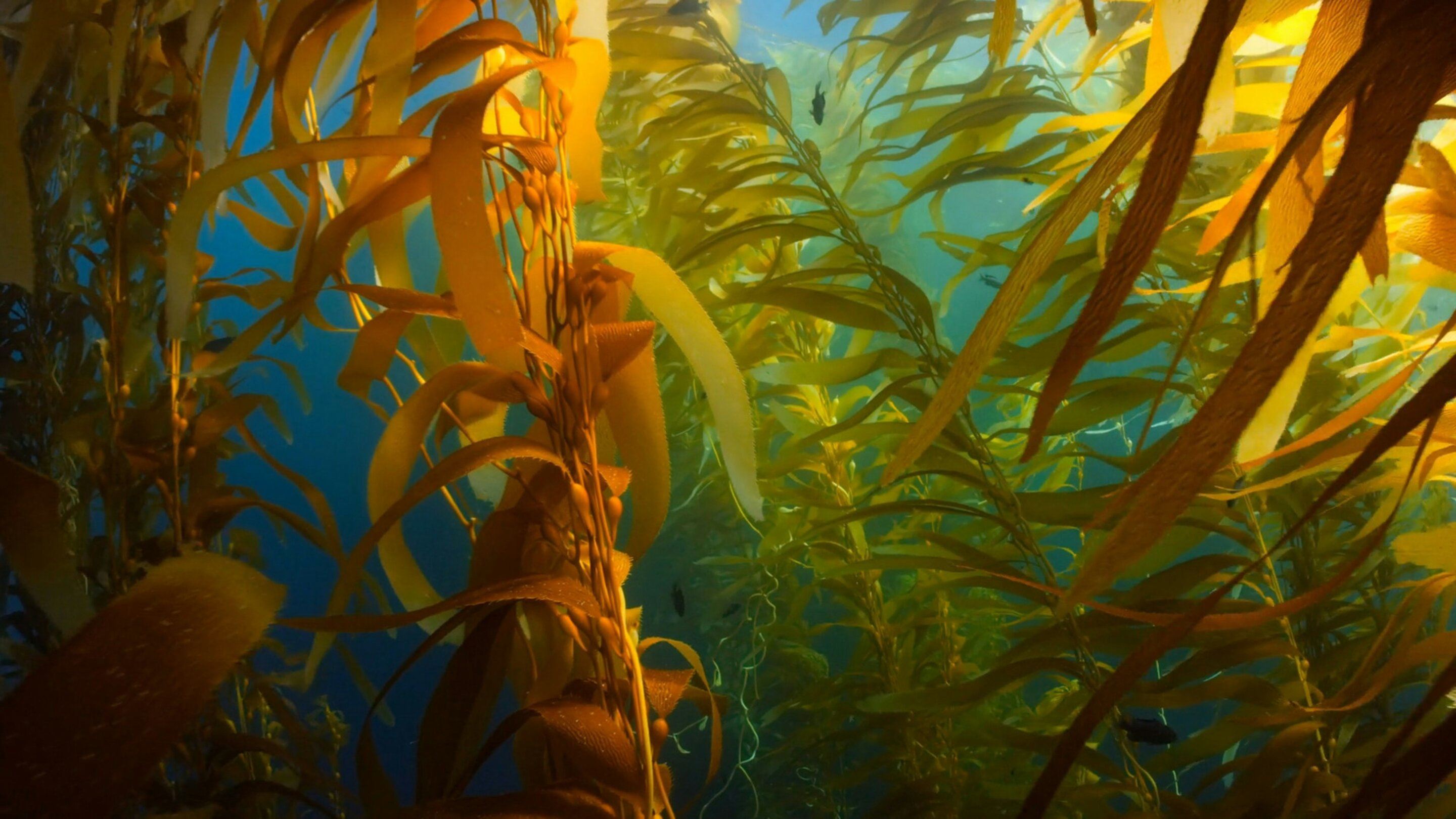
Kelp restoration programs are making the most headway where local communities help shape and carry out the work, according to a global review led by researchers at UNSW Sydney. The finding matters because kelp forests support fisheries, shelter marine life, store carbon and help buffer coastlines, while warming seas and other pressures are driving losses in many regions.
The study, published in the Journal of Applied Phycology, brought together more than 100 researchers and practitioners from 35 kelp-forest regions, according to UNSW Sydney. The university said the work is the first worldwide comparison of how kelp forests are being protected, restored and managed.
Kelp forests grow along coasts from the Arctic to the Antarctic, UNSW Sydney said. The ecosystems face mounting pressure from ocean warming, marine heat waves, pollution and sharp growth in sea urchin populations, which can strip kelp from reefs.
Lead author Aaron Eger of UNSW Sydney said the review did not identify a single remedy for kelp decline. Instead, he said, the strongest efforts shared a common feature: they connected conservation with people who rely on healthy kelp forests.
The review highlighted several models of community-linked work. UNSW Sydney cited Indigenous stewardship in Canada, fishing cooperatives in Mexico, broad restoration programs in Japan and South Korea, and commercial divers removing sea urchins in Victoria as examples of local or sector-based participation in kelp protection.
The study found that monitoring programs are common across kelp regions, according to UNSW Sydney. Active restoration, however, is taking place in fewer than half of the regions examined, meaning many areas are tracking decline without yet carrying out direct recovery work.
Eger said the results show both growing international interest in protecting kelp and a gap between research and action. He said scientists have substantial knowledge about the causes of kelp loss, but the next task is applying that knowledge at a scale large enough to affect outcomes.
The researchers said they hope the comparison will help guide investment and cooperation among regions. By showing how different places are responding, the study may help coastal communities and conservation groups learn from approaches already being tested elsewhere.
The paper is titled “Global patterns and regional insights into kelp forest protection, restoration, and stewardship.” UNSW Sydney said the authors frame kelp decline as a widespread conservation challenge that has received less attention than many terrestrial ecosystem losses.
This story draws on original reporting from Phys.org.