
Human milk oligosaccharides formula research gets cell-based boost
Gifu University researchers engineered mammalian cells to make several human milk sugars, pointing to broader infant nutrition research.
By Tom Brennan · Health & Medicine Correspondent
3 min read
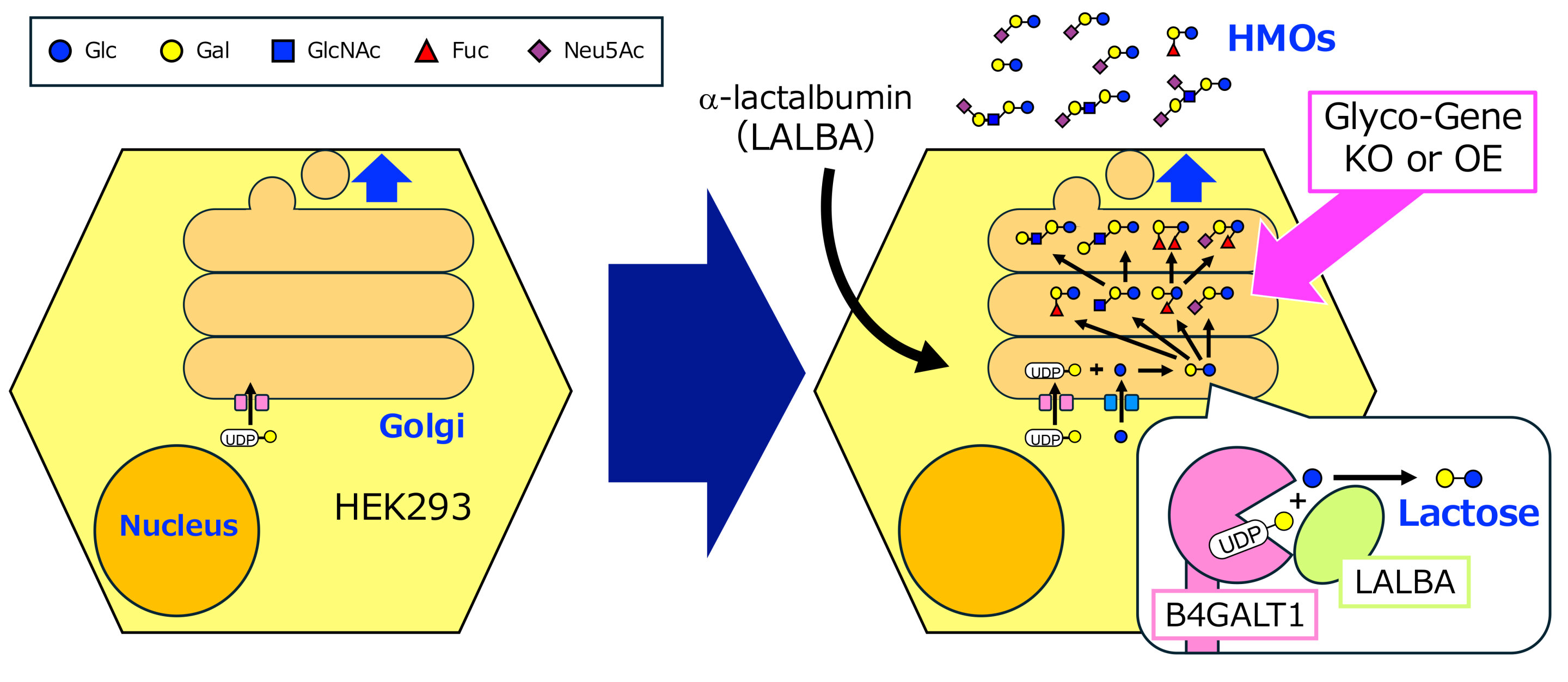
Researchers in Japan have built a cultured-cell system that could broaden the set of human milk oligosaccharides formula developers can study for possible infant nutrition uses. The work matters because more than 200 of these breast-milk sugars have been identified, while only a small number are now available for infant formula, according to the research team.
The findings were reported in Metabolic Engineering by Fuki Noda, Morihisa Fujita of Gifu University and colleagues. Tokai National Higher Education and Research System said the approach uses cultured mammalian cells to produce several structurally different human milk oligosaccharides, or HMOs.
What are human milk oligosaccharides?
Human milk oligosaccharides are complex sugars found in human breast milk. According to the researchers, they can act as prebiotics, shape the infant gut environment, support beneficial gut bacteria and may reduce the ability of some pathogens to attach or grow.
Fujita said the group wanted to test whether the biosynthetic route for making HMOs could be rebuilt in cultured mammalian cells. The team also examined whether changing glycosylation pathways could alter which HMOs the cells produced.
How did the cell method work?
The researchers first asked why HEK293 cells did not make detectable HMOs under standard culture conditions. Using a prediction tool called GlycoMaple, they mapped the pathway and identified two required components: β1,4-galactosyltransferase, known as B4GALT1, and α-lactalbumin, known as LALBA.
The team found that HEK293 cells already had abundant B4GALT1 but did not express LALBA. When the researchers engineered the cells to express LALBA, the cells began producing multiple HMOs, according to the study.
Fujita said the findings show that ordinary cultured mammalian cells can be turned into HMO-producing cells by adding LALBA. He also said changing the expression of glycosyltransferases allowed the researchers to shift the mix of HMOs made by the cells.
The group then refined the system to generate a wider range of HMO structures. According to the researchers, the platform may help scientists study which enzyme combinations are needed to make different HMOs and how those enzymes are arranged in the biosynthetic process.
The engineered cells also made sialylated HMOs, including LSTa and DSLNT. The researchers noted that DSLNT has drawn interest because earlier studies suggest it may protect against necrotizing enterocolitis, a deadly gastrointestinal disease affecting premature infants.
After producing the HMOs, the team tested whether the cell-derived sugars kept at least one expected biological function. The researchers reported that they promoted growth of B. infantis, an important gut bacterium for infants.
A separate study in Glycobiology by Christian Büll and colleagues reported HMO production in glycoengineered human cells around the same period. Together, the two studies point to engineered mammalian cells as tools for studying and controlling HMO biosynthesis, according to the researchers.
Fujita said the next goal is to raise productivity and expand the range of HMOs by engineering additional glycosylation pathways. He said the longer-term aim is a flexible platform for HMO research and potential future use in infant nutrition.
This story draws on original reporting from Phys.org.