
Heat waves are pushing wildlife past physiological limits
Scientists say longer, hotter spells are disrupting feeding, breeding and survival across birds, mammals, fish and other animals.
By Priya Raghavan · Science Reporter
3 min read
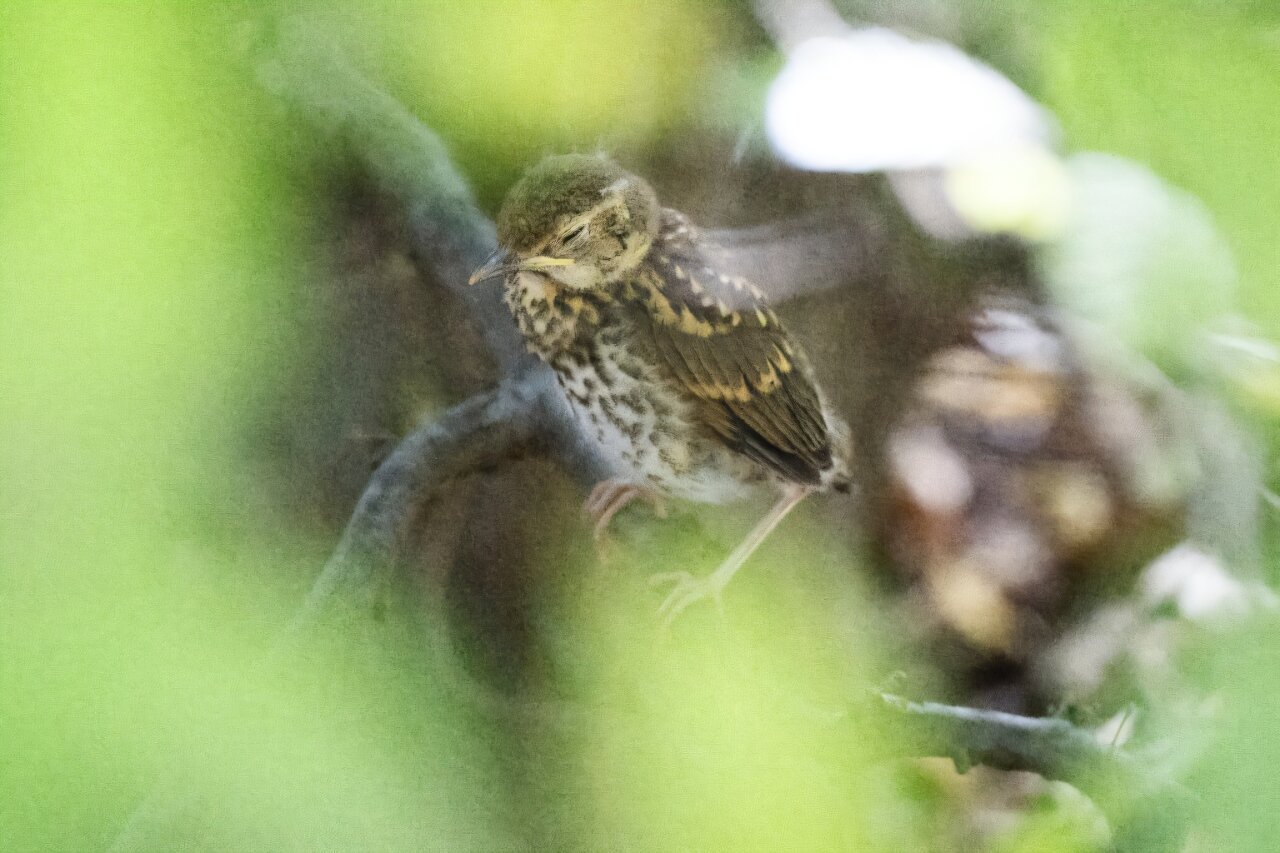
Longer and more intense heat waves linked to climate change are putting wildlife under growing strain, AFP reported, disrupting feeding, breeding and survival across land and sea. Researchers cited by AFP said sudden heat can overwhelm animals faster than gradual warming, leaving many species with little time to adjust.
A March study in Nature Ecology & Evolution found that three-quarters of land and ocean species assessed were harmed during a major 2021 heat wave in western North America, according to AFP. Gregoire Lois, an ornithologist at the National Museum of Natural History in Paris, told AFP that heat waves can be “brutal” for wildlife.
Birds face dehydration and nest risks
Birds are especially exposed because their normal body temperature ranges from 39°C to 42°C and can climb further when they fly or search for food, AFP reported. Because birds do not sweat, they release heat through evaporation in their respiratory systems, a process that uses water and can heighten the risk of dehydration and heat stress.
Young birds are among the most vulnerable, according to the League for the Protection of Birds, a French wildlife group cited by AFP. Nestlings that cannot yet fly may fall from nests while seeking air in hot conditions, the group said, with swifts and swallows nesting under eaves facing particular danger.
Small mammals lose water quickly
Vertebrates cool themselves through panting or sweating, but smaller animals lose proportionally more water through those processes, Lois told AFP. Anne-Laure Dugue, who works with the League for the Protection of Birds’ fauna in distress program, said hedgehogs and some small rodents face notable risks of hyperthermia and dehydration.
AFP reported that heat waves have also been tied to mass deaths among bats, which can become dehydrated and disoriented. In January 2026, thousands of flying foxes died during a heat wave in southeastern Australia, according to AFP.
Large mammals are also affected, AFP reported. Cold-adapted animals such as bears, bison, reindeer and moose can be burdened by thick fur in hot weather, while foxes may burn their paws on surfaces such as tarmac or sand. A May study in Biology Letters, based on 20 years of observations, found that even a week of daytime highs at 27°C greatly raised the likelihood of illness or death in koalas, according to AFP.
Water species face oxygen stress
Most invertebrates depend on surrounding conditions to regulate body temperature, AFP reported. Lois said consequences can be severe when those animals exceed their heat tolerance, especially because many have limited ability to move away from danger.
During a broad North Pacific heat wave in 2021, more than a billion mussels, clams and starfish died, according to AFP. Fish face a different but related threat: warm water holds less oxygen while fish need more energy, which AFP reported can lead to heat stress, disease, reproductive disruption and mass mortality. During a European heat wave in August 2018, one ton of dead fish was found in the Rhine River across three Swiss cantons, AFP reported.
Amphibians and reptiles lose safe habitat
Frogs, toads and newts are highly dependent on moisture, making them vulnerable when heat waves coincide with drought, AFP reported. Their permeable skin can dry out if humid conditions disappear, and their breeding can suffer when spawning areas dry too early.
Reptiles such as lizards and snakes also face pressure because they rely on external heat conditions rather than internal temperature regulation, according to AFP. Lois said some may shift toward nighttime activity, but that can create a mismatch if their prey is not active at the same time.
This story draws on original reporting from Phys.org.