
Researchers warn green product labels can be hard to verify
A review by UTS and Bond University researchers says unclear sustainability labels may leave shoppers paying more without knowing the real impact.
By Tom Brennan · Health & Medicine Correspondent
3 min read
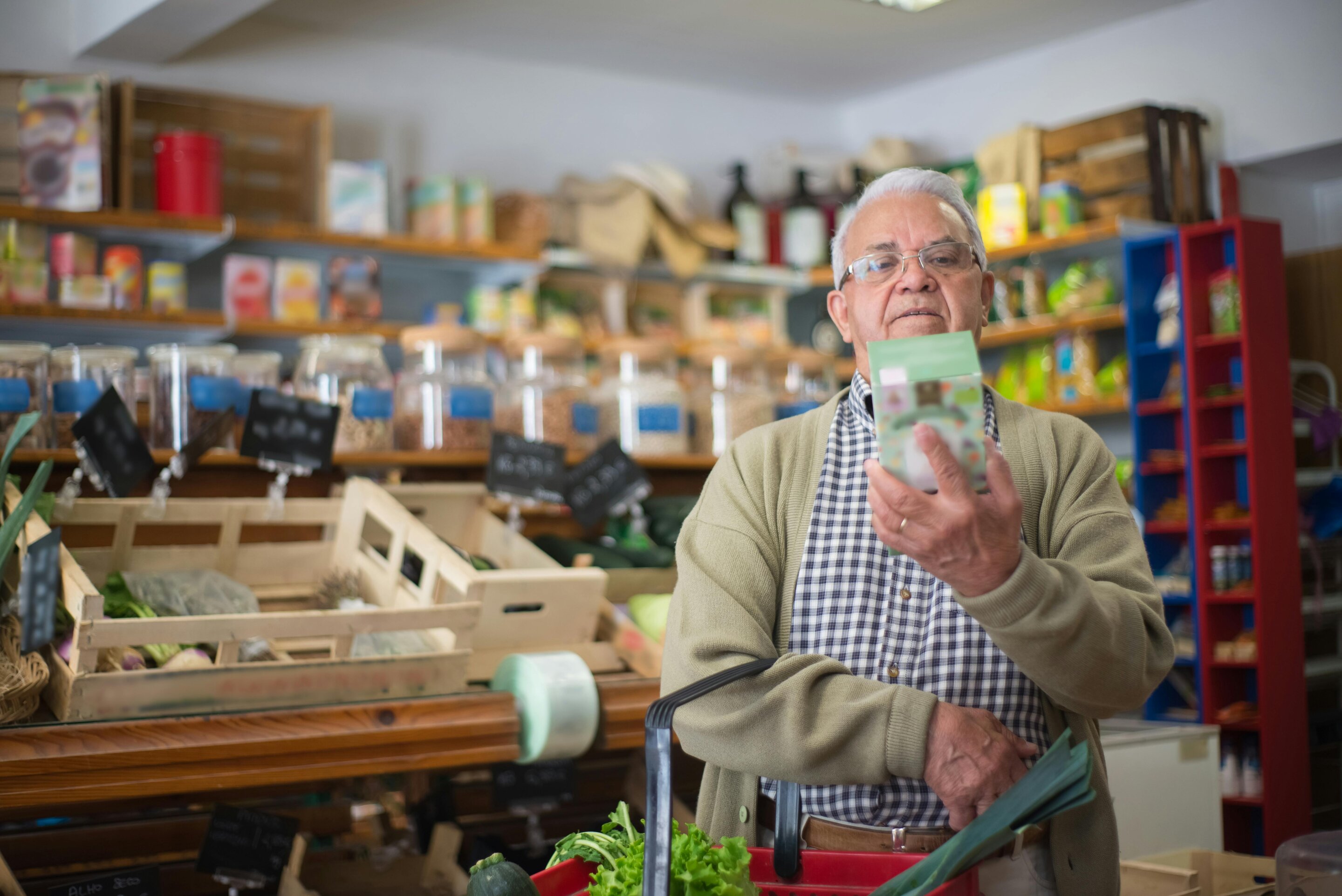
Many sustainability claims on food and consumer goods are difficult for shoppers to check, according to researchers from the University of Technology Sydney and Bond University. Their review says unclear labels can make products look greener than they are and may lead consumers to pay extra without knowing whether the claimed benefit is meaningful.
The researchers examined sustainability labels used on food and consumer products around the world in a paper published in the Journal of Strategic Marketing. UTS marketing professor Natalina Zlatevska said shoppers often use labels as a quick guide in supermarkets, where decisions are made fast and product information can be crowded.
Zlatevska said consumers are trying to choose products with lower environmental impacts, but the labels they see are often hard to interpret. She said shoppers may not be able to tell what a label covers, whether it reflects a substantial benefit or how it compares with claims on similar products.
According to Zlatevska, a sustainability label may apply to only one stage of a product’s life, such as farming, packaging, transport or emissions. That can create a broader impression of environmental responsibility even when the claim is narrow.
Carbon footprint labels can also be difficult to judge, Zlatevska said. A carbon claim may not make clear what was measured, how the figure was calculated or whether it can be fairly compared with another product’s claim.
Risk of paying for unclear claims
The review found a risk that consumers may spend more on products that appear sustainable without knowing what difference the claim represents. Zlatevska gave the example of a can of tuna carrying several sustainability labels, saying the packaging can suggest it is the better choice even if the labels are not clear or comparable.
The researchers said this creates a problem for consumers who want to use their spending to support more sustainable production. Without common standards, labels can work more as signals than as reliable tools for comparison.
Zlatevska said Australia’s sustainability labeling system is largely unregulated, leaving consumers to interpret many different claims without a shared framework. The researchers recommend clearer Australian standards and regulations, along with a more consistent approach to sustainability labeling.
Standardized labels would help shoppers understand what they are buying and compare products more fairly, Zlatevska said. She said Europe is further along in work to standardize sustainability claims and labels, and that Australia could draw lessons from that process.
Call for simpler labels
Bond University researcher Belinda Barton, a collaborator on the review, said industry needs to focus on trust. She said consumers need labels that are clear and simple enough to help them decide, rather than a growing number of claims that create more uncertainty.
Barton said transparent and reliable labels are central to building trust in sustainability claims and food labeling more broadly. Her advice to shoppers was to read sustainability claims closely and avoid assuming that all labels mean the same thing.
The paper, by Natalina Zlatevska and colleagues, is titled “From farm to fork: a systematic review and synthesis of the effect of sustainability related food labels on consumer behaviour.” It was published in the Journal of Strategic Marketing in 2026.
This story draws on original reporting from Phys.org.