
Cape leopards show genetic split after long isolation
Whole-genome research indicates South Africa’s Cape leopards are small, distinct and less genetically depleted than expected.
By Tom Brennan · Health & Medicine Correspondent
3 min read
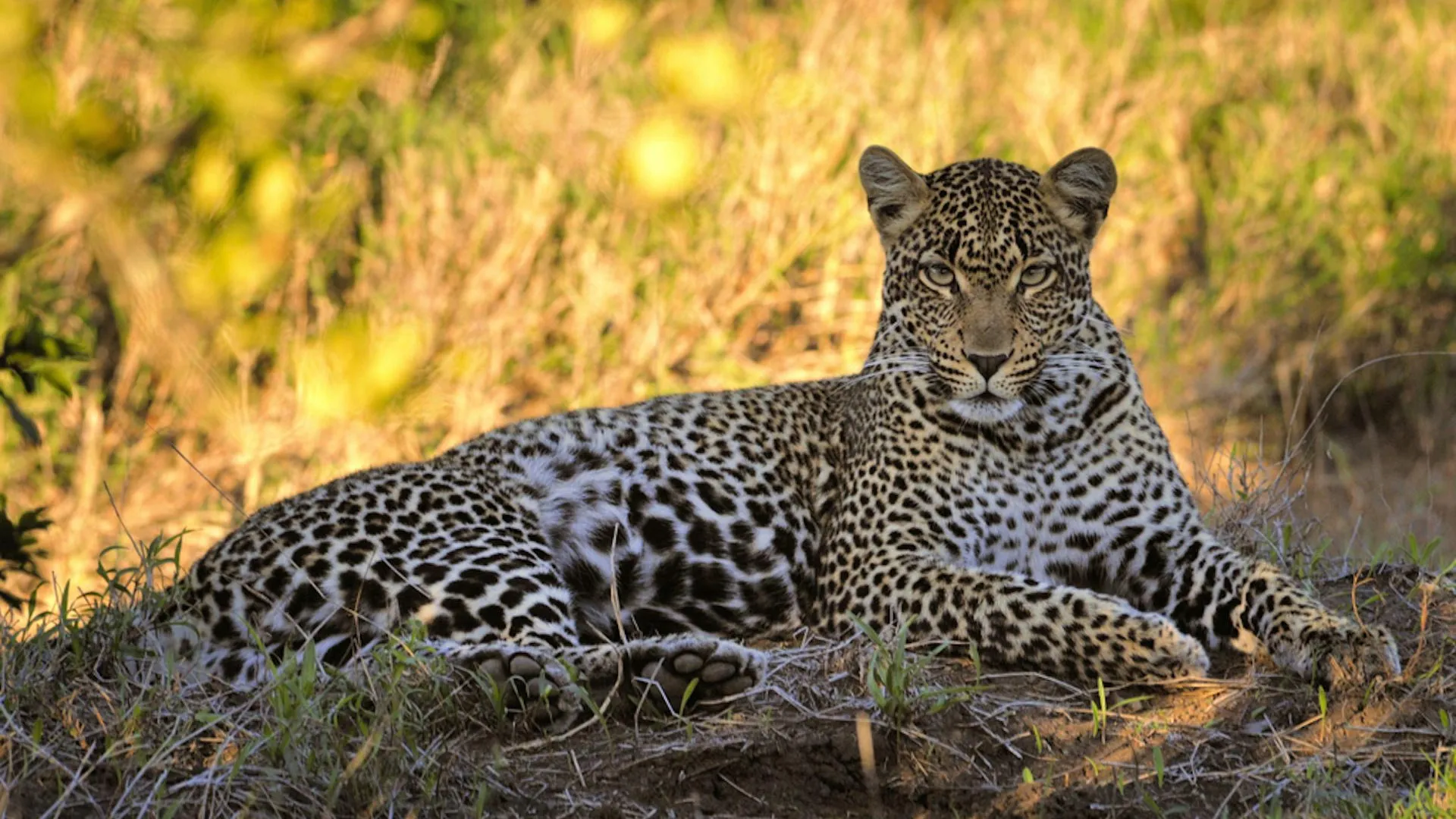
A population of leopards in South Africa’s Cape Floristic Region is genetically distinct from other African leopards after about 20,000 years of isolation, according to research described by The Conversation. The finding could affect conservation plans for fewer than 1,000 cats that can be as little as half the body mass of leopards elsewhere in Africa.
Laura Tensen, an assistant professor at the University of Greifswald and part of the research team, wrote in The Conversation that the group used whole-genome data to examine why Cape leopards look so different. Earlier studies had relied on limited genetic markers, which could show broad patterns but not the finer history of the population.
Genome study finds a separate group
The researchers analyzed full leopard genomes, covering 2.57 billion DNA base pairs and about 19,000 genes, according to The Conversation. Working with local leopard specialists and evolutionary biologists, they used muscle or skin tissue from Cape leopards and compared those genomes with leopards from other parts of Africa.
The team found that the Cape cats form their own genetic group, separate from leopards in southern and eastern Africa, Tensen wrote. A comparable pattern has been reported for leopards in Ghana, with little evidence of recent genetic mixing with nearby populations.
Leopards live and move along the Cape Fold Belt mountain chain, which The Conversation described as a refuge for the animals. Movement appears to stop beyond the mountain chain’s northern and eastern edges, where dry semi-desert and high levels of human activity may act as barriers.
Isolation dates to the last ice age
The researchers’ analysis suggests the Cape population began splitting from leopards farther east about 20,000 to 24,000 years ago, during the Last Glacial Maximum, The Conversation reported. At that time, southern Africa became cooler and drier, with less grassland and less food, making movement and survival harder for wildlife.
More recent pressure also shaped the population. Leopard numbers fell in the 1800s and 1900s, likely because of hunting, habitat loss and bounty systems that encouraged farmers to kill the animals, according to The Conversation. The leopard bounty ended in 1968, after which the population began to recover as conservation efforts increased.
Despite that history, the Cape leopards were not as genetically depleted as the researchers expected. The Conversation said the population showed only slightly lower genetic diversity than other African leopard populations, a result that could help its ability to respond to future threats such as disease, climate shifts and human pressure.
Genes point to local adaptation
The study also looked for clues to the leopards’ small size. The researchers identified about 90 genes that were more common in the Cape animals and were associated with body size, muscles, bones and energy use, according to The Conversation.
Tensen wrote that those genetic signals fit the Cape environment, where prey is smaller and more thinly distributed than in many other leopard habitats. Cape leopards feed mainly on animals such as rock hyrax, klipspringer and Cape grysbok.
The researchers concluded that the cats’ smaller bodies likely reflect adaptation to local conditions, not just isolation or random genetic drift, The Conversation reported. Because the population is genetically distinct and locally adapted, it may qualify as an evolutionarily significant unit, meaning it represents a separate branch of the species’ history that needs targeted protection.
The Conversation said conservation work should focus on keeping habitat connected so leopards can move safely, while also reducing persecution, poaching and road deaths. The researchers said cooperation with landowners and communities will be needed because large fenced reserves are uncommon and the cats often pass through farms and areas near cities.
This story draws on original reporting from ScienceDaily.