
Gold-catalyzed anticancer prodrugs advance with HKUST reaction
HKUST chemists report a gold-triggered reaction that activates an experimental cancer prodrug under biological conditions.
By Priya Raghavan · Science Reporter
3 min read
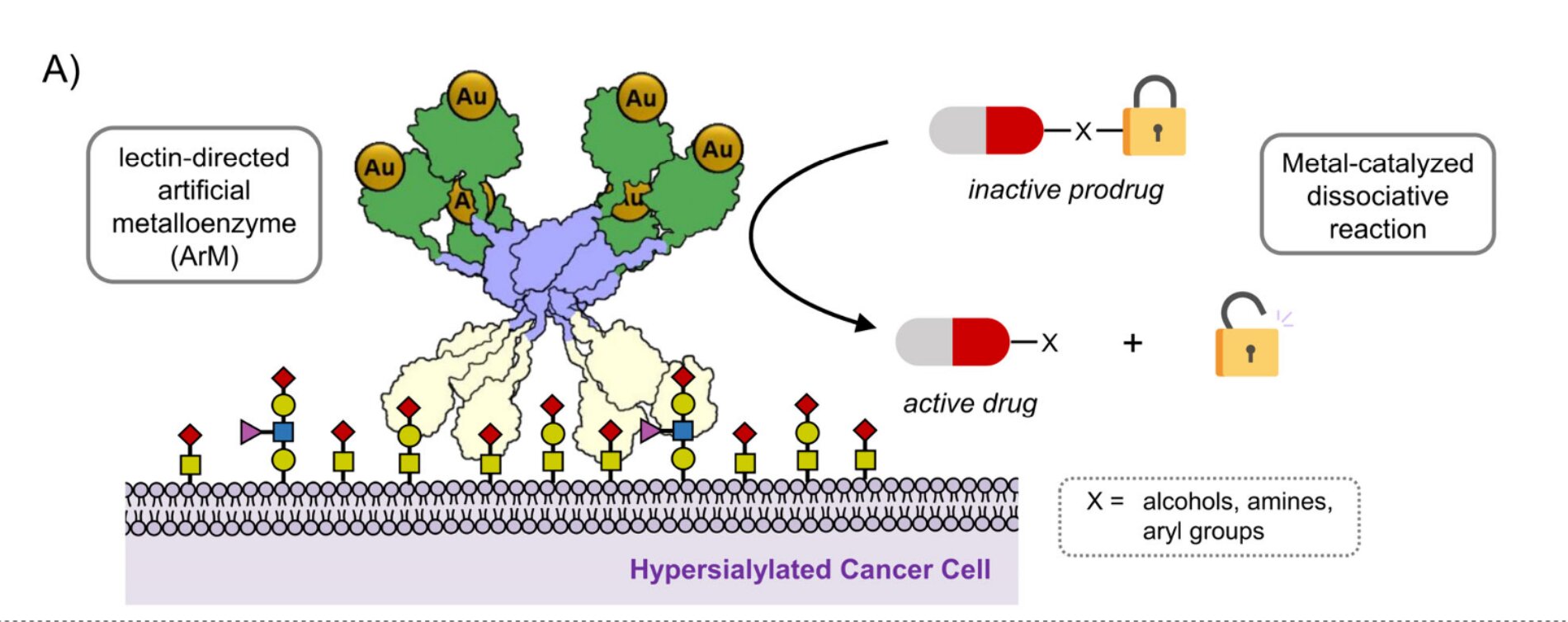
Gold catalyzed anticancer prodrugs moved a step forward after Hong Kong University of Science and Technology researchers reported a chemical reaction that can work under biologically relevant conditions. The work matters because prodrugs are designed to stay inactive until they reach a target site, a strategy aimed at reducing harm to healthy tissue during cancer treatment.
The team was led by Kenward Vong, an assistant professor in HKUST’s Department of Chemistry. Its findings were published in the Journal of the American Chemical Society in a paper on gold-catalyzed hydrothiolation and amide bond cleavage.
How do gold-catalyzed anticancer prodrugs work?
A prodrug is a drug precursor that remains inactive until a chemical or biological trigger converts it into an active therapeutic compound. In cancer research, that approach is used to concentrate drug activity in diseased cells or tissues rather than exposing the whole body to the same active agent.
HKUST said Vong’s group identified a chemical structure called an ethynylated biarylbutanamide, or EBB, group. The researchers found that EBB-containing precursors can undergo rapid amide bond cleavage when exposed to gold catalysts under conditions relevant to living systems.
Amide bonds are common and stable chemical links in nature, which makes them useful but difficult targets for selective cleavage. According to HKUST, existing bioorthogonal methods for breaking amide bonds have been limited by slow reaction rates and a narrow range of applicable structures.
Why the EBB reaction is different
The new reaction falls within bioorthogonal chemistry, a field focused on reactions that can take place inside living systems without disrupting normal biological processes. HKUST said many metal-catalyzed reactions have been developed, but relatively few can proceed under biological conditions.
The research team reported that the EBB reaction was faster than comparable reactions described in prior literature. To test its potential use, the researchers built an EBB-based anticancer prodrug and showed that it could be selectively activated in aggressive breast cancer cells, according to HKUST.
The study does not establish a clinical cancer treatment. It presents a chemical method that could support more targeted prodrug designs if further research confirms its usefulness in broader biological settings.
What the researchers say comes next
HKUST said the finding adds another tool for chemical biology, biotechnology and biomedical research. Those fields use bioorthogonal reactions to study and alter biological systems while trying to avoid unwanted interference with normal cellular chemistry.
Vong said chemistry remains central to expanding what researchers can do in living systems. “Since researchers have only scratched the surface of what can be done, there are still so many uncharted opportunities left to be discovered,” he said, according to HKUST.
The paper, “Bioorthogonal Gold-Catalyzed Hydrothiolation Leading to Amide Bond Cleavage of Ethynylated Biarylbutanamide Precursors,” lists Jing Huang and colleagues as authors. The DOI is 10.1021/jacs.6c06841.
This story draws on original reporting from Phys.org.