
Many GLP-1 patients stop treatment, then restart, study finds
An analysis presented at ENDO 2026 found high stop-and-restart rates among adults with type 2 diabetes using GLP-1 drugs.
By Tom Brennan · Health & Medicine Correspondent
3 min read
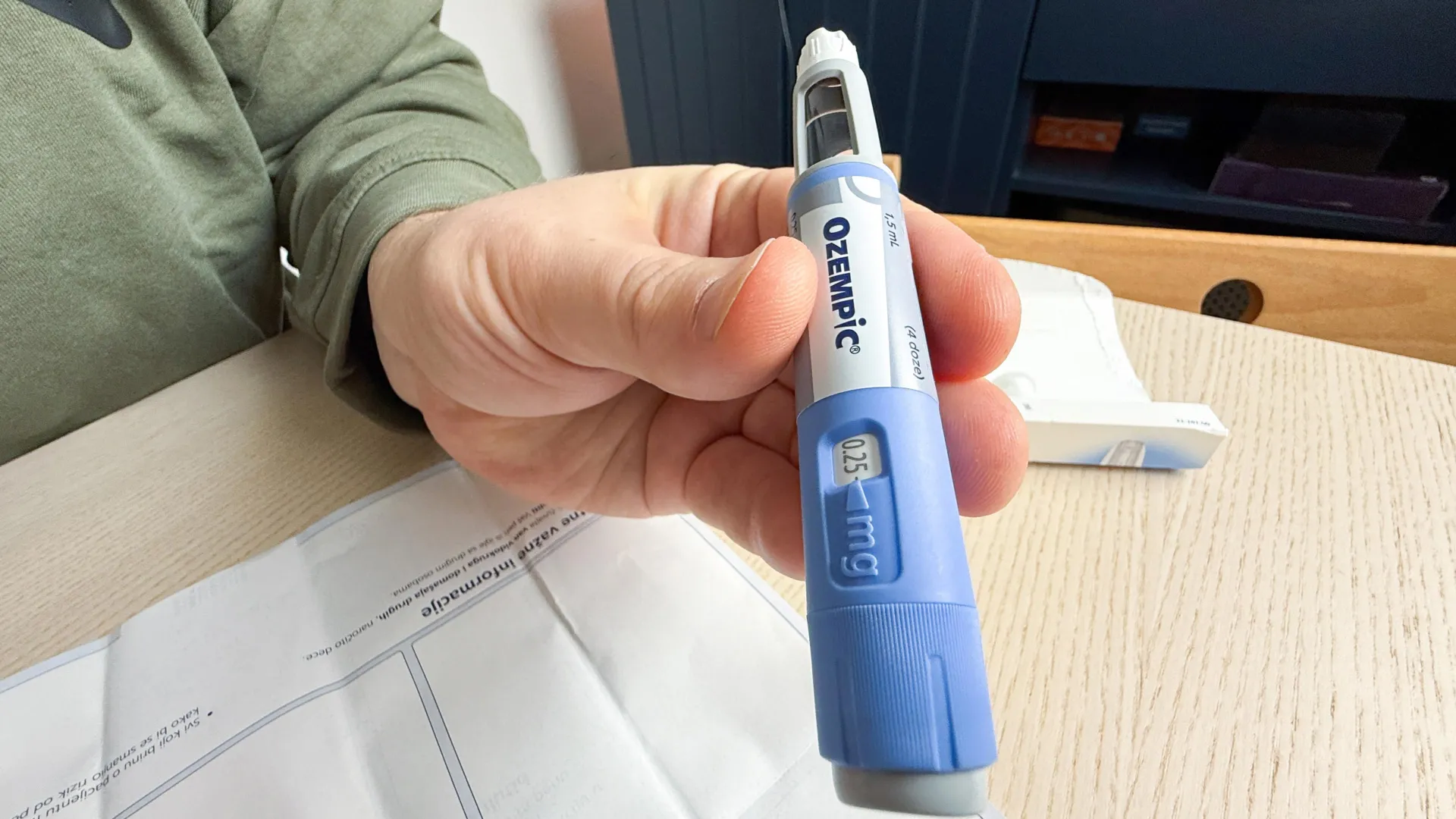
Many adults with type 2 diabetes who start GLP-1 drugs stop filling prescriptions within two years, but a large share later resume treatment, according to research presented by the Endocrine Society at ENDO 2026 in Chicago. The findings matter because researchers said steady use is tied to the drugs’ protective effects against diabetes-related complications.
The study, led by Sainikhil Sontha, a research associate at Boston University School of Public Health, used U.S. insurance claims from Komodo Health covering January 2019 through June 2025. The Endocrine Society said the analysis included more than 60,000 adults ages 18 to 64 with type 2 diabetes and a body mass index of at least 25 who began treatment with liraglutide, semaglutide or tirzepatide.
Those medicines include Victoza, Ozempic and Mounjaro. Researchers included patients who had been enrolled for the prior year and had more than six months of follow-up data, according to the Endocrine Society.
High discontinuation, frequent restarts
The research team counted a patient as having stopped therapy when more than 60 days passed between prescription refills. A new prescription after that gap was counted as restarting treatment, according to the Endocrine Society.
Sontha said the claims analysis found that about 40% of patients stopped their GLP-1 medication during the first year. By the end of two years, roughly 60% had discontinued treatment, he said.
Restarting was also common. Sontha said 41.5% of patients who stopped resumed therapy within one year, and 58% restarted within two years. He said the pattern suggests that many patients pause treatment rather than leave it permanently.
Side effects and coverage linked to stopping
The researchers used Cox proportional hazards models to examine demographic, clinical and provider factors tied to discontinuation, according to the Endocrine Society. The analysis found higher first-year discontinuation among patients covered by Medicaid or Medicare, among Black patients and among people with nausea or other gastrointestinal side effects.
The Endocrine Society said gastrointestinal side effects were identified in 37% of the study group. The research did not report in the summary how much each of those factors changed the likelihood of stopping, except for the specialty of the first prescriber.
Patients whose first GLP-1 prescription came from an endocrinologist were 10% less likely to stop treatment, according to the study findings reported by the Endocrine Society.
Newer drugs showed stronger persistence
The type of GLP-1 drug also differed across patient patterns, according to the Endocrine Society. Patients using tirzepatide were 41% less likely to discontinue treatment than those using older drugs such as liraglutide.
Patients using semaglutide were 28% less likely to discontinue than people taking older GLP-1 medications, the Endocrine Society said. The study summary did not state whether the differences reflected drug effects, patient selection, insurance access or other factors.
Sontha said consistent treatment is important because GLP-1 medications can help protect patients from outcomes including heart attacks, kidney disease progression and other complications. He said the findings could help clinicians, insurers and policymakers identify patients who may need more support to stay on therapy over time.
This story draws on original reporting from ScienceDaily.