
Genome study reclassifies fast-spreading invasive fern
Researchers say Salvinia molesta has two chromosome sets, not five, reshaping explanations for its clonal spread in freshwater systems.
By Lucas Ferreira · Science & Environment Writer
3 min read
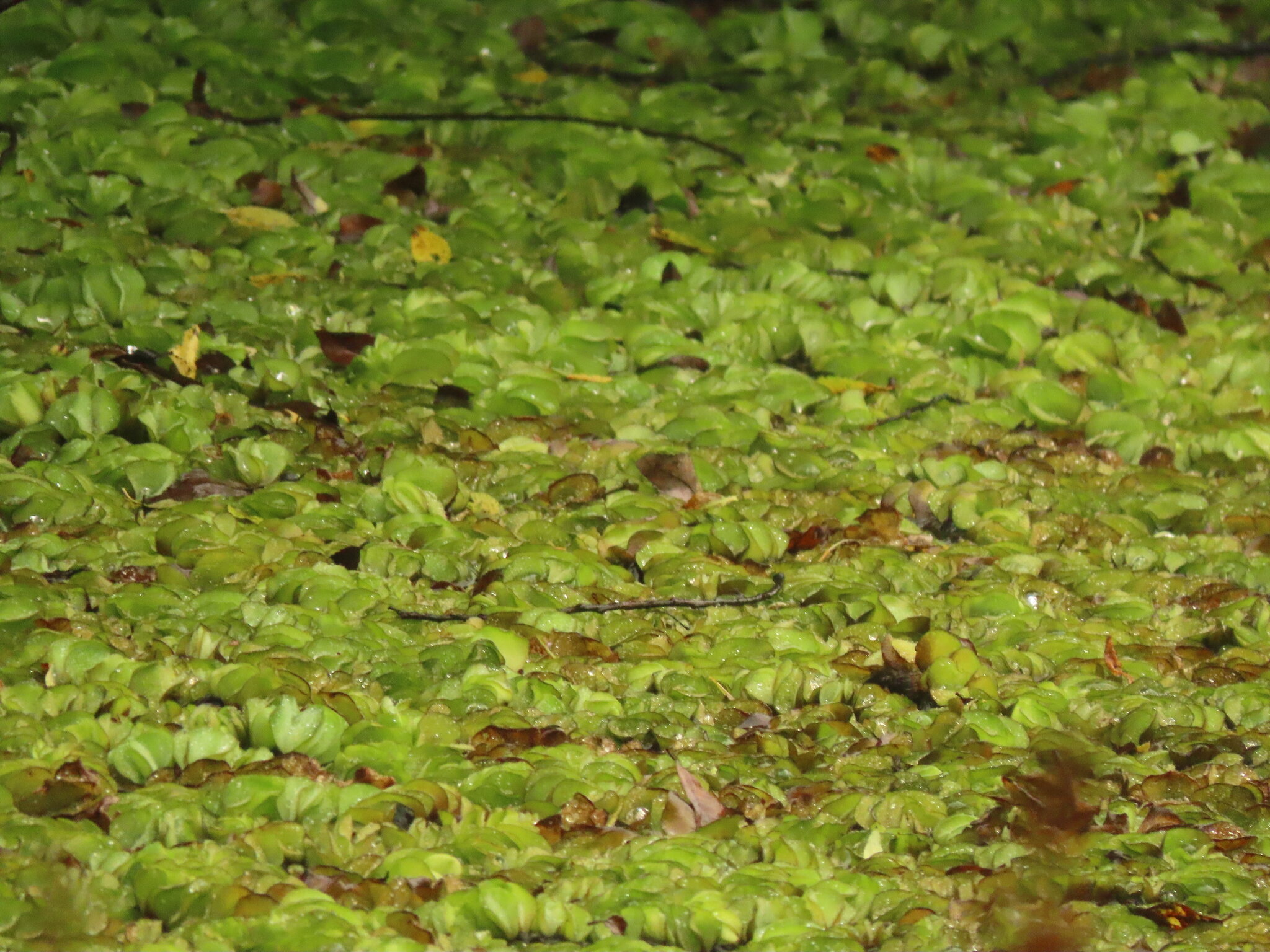
Researchers have reclassified the genome of Salvinia molesta, a fast-growing aquatic fern that has been treated for decades as a five-set chromosome hybrid. The finding matters because the plant’s corrected identity helps explain how it spreads so efficiently through ponds, lakes and slow-moving waterways, according to the Boyce Thompson Institute.
The study, led by Fay-Wei Li of the Boyce Thompson Institute with Erin Sigel of the University of New Hampshire, was published in the Proceedings of the National Academy of Sciences. The researchers said S. molesta is a diploid hybrid, carrying two sets of chromosomes, one from each of two parent species that have not yet been identified by science.
Scientists had long classified the fern as an allopentaploid, a hybrid with five chromosome sets derived from multiple parent species, according to the research team. Li said correcting that classification matters for evolutionary biology and for understanding why the species has become such an effective invader.
S. molesta can double its biomass in 36 hours, the Boyce Thompson Institute said. It forms thick green mats that block sunlight, reduce oxygen and damage the ecosystems beneath them, and it is now found in freshwater bodies in more than 60 countries.
Genome mismatch explains sterile, clonal growth
The team found that the fern’s two subgenomes differ in chromosome number and contain major structural differences, according to Yanã Rizzieri, the study’s first author and a Cornell graduate student in Li’s lab. Those differences disrupt chromosome pairing during meiosis, preventing the plant from producing viable spores, the researchers said.
Without sexual reproduction, the fern spreads by breaking into pieces. The researchers said fragments that separate from a parent plant can grow into new individuals with the same genetic makeup, allowing one introduction to produce a population of clones where conditions favor growth.
To test the extent of that clonality, Rizzieri and colleagues sequenced 100 plants from five populations in the southeastern United States. The team found very little genetic variation across the samples, and most differences appeared in only one plant, a pattern the researchers said fits a clonal population descended from one founder and changed mainly by copying errors over time.
The finding could affect control efforts, according to the Boyce Thompson Institute. If invasive populations share the same genetic blueprint, a treatment that consistently suppresses the fern in one place should have similar effects elsewhere it has spread, the institute said.
Salvinia challenges fern genome assumptions
The researchers also built chromosome-level genome assemblies for S. molesta and a related aquatic fern, S. cucullata, using long-read sequencing and Hi-C chromatin mapping. They chose the pair because S. cucullata has the smallest known fern genome, at about 250 million base pairs, the team said.
The results did not match prior expectations, according to the study. S. cucullata has 68 chromosomes, nearly four times the number scientists had predicted, even though its genome is roughly 14 times smaller than the human genome.
S. molesta has a genome about 10 times larger than that of S. cucullata, yet the team found it has fewer chromosomes: 46, arranged in two distinct subgenomes. Those subgenomes separated from each other about 25 million years ago, according to the researchers.
Sigel said the findings show that Salvinia genome evolution is highly dynamic and resembles patterns seen in flowering plants more than those in many ferns with large genomes. The authors said the work challenges a prevailing model of fern genome evolution and makes Salvinia a useful system for studying how reproduction shapes genomes.
The paper, “The dynamic genomes of Salvinia reshape our understanding of fern chromosome evolution,” was published in Proceedings of the National Academy of Sciences.
This story draws on original reporting from Phys.org.