
Flu study maps how influenza A takes over human cell machinery
Researchers mapped influenza A protein contacts in intact cells, revealing possible routes for replication and antiviral defense disruption.
By Tom Brennan · Health & Medicine Correspondent
3 min read
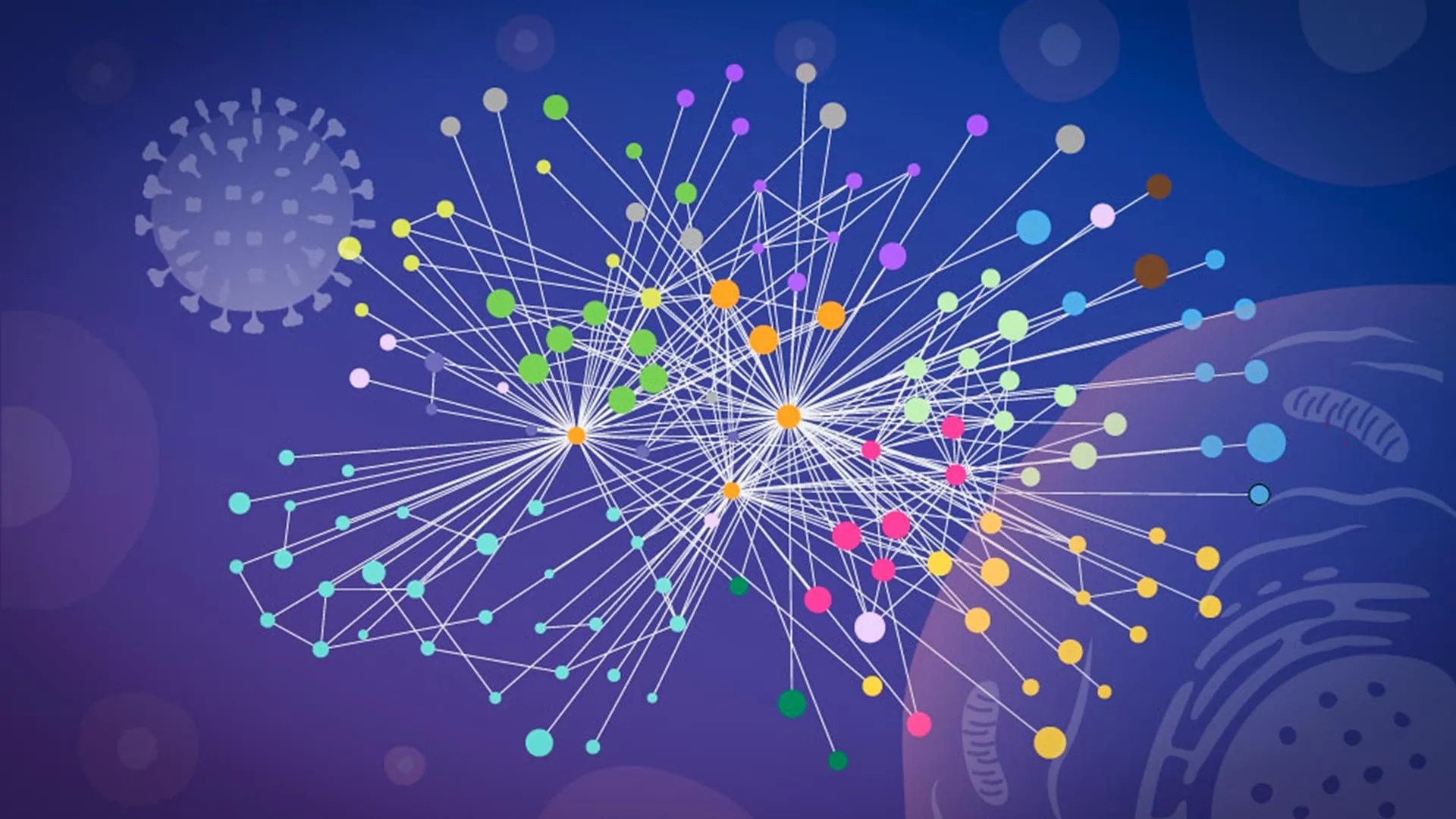
Scientists have built a detailed molecular map of how influenza A alters infected human cells, work that could point researchers toward new antiviral targets. The European Molecular Biology Laboratory said the study shows the virus can break apart nuclear structures and draw on released proteins that may help it replicate.
The work, published in Nature Microbiology, was led by researchers at EMBL Hamburg with collaborators at the Leibniz Research Institute for Molecular Pharmacology and other institutions. EMBL said the team examined direct contacts between viral and human proteins inside intact infected cells, rather than relying only on material from cells that had been broken open.
Seasonal influenza causes 3 million to 5 million severe illnesses worldwide each year and is associated with up to 650,000 deaths, according to EMBL. Influenza A viruses have also caused pandemics, including the 1918 Spanish Flu pandemic.
Mapping infection inside cells
After influenza enters a cell, it releases RNA carrying instructions for a small number of viral proteins, according to EMBL. Those proteins then spread through the host cell and redirect cellular systems so the cell can produce new virus particles.
The researchers said understanding that process requires knowing which viral proteins bind to which human proteins, where those contacts occur and how those interactions assist replication. Jan Kosinski, a group leader at EMBL Hamburg and the Centre for Structural Systems Biology, said the study offers a way to observe flu-host interactions in their native setting while also producing structural information.
Many earlier methods for studying protein interactions required scientists to rupture cells before analysis, EMBL said. That can create misleading contacts between proteins that were separated inside the cell, while weak or short-lived interactions may be lost.
To address that problem, the team used a virus-adapted form of cross-linking mass spectrometry developed by Boris Bogdanow and Fan Liu at FMP Berlin, according to EMBL. Bogdanow, now at Charité — Universitätsmedizin Berlin, said the technique captures protein interactions in intact infected cells and can help show the interface between viral and human molecules.
Paraspeckles break apart
The team combined the experimental data with a modified version of AlphaFold, the protein structure prediction system, EMBL said. Kosinski said the altered approach allowed researchers to feed cross-linking data into the structural models, giving the software information about which parts of viral and host proteins sit near each other inside infected cells.
The study identified two notable ways influenza A appears to take control of cell processes. One involved hemagglutinin, the viral surface protein that influenza uses to attach to and enter host cells, according to EMBL.
The researchers tracked hemagglutinin through the cell’s transport and processing system, where proteins are folded, modified and sent to their destinations. EMBL said several human proteins helped hemagglutinin fold and undergo modification during infection, including some host proteins whose roles had been poorly understood.
The second finding concerned paraspeckles, small droplet-like compartments in the nucleus. EMBL said influenza A infection caused paraspeckles to dissolve, releasing RNA-binding proteins that the virus may use to support replication.
Iuliia Kotova, the study’s first author and a former EMBL predoctoral fellow now at ETH Zurich, said the paraspeckle result was seen across every cell line and flu strain tested by the team. Kosinski said disrupting paraspeckles might also weaken parts of the cell’s defense response because evidence suggests the structures help regulate stress responses and antiviral genes.
The researchers said the method could be applied beyond the laboratory-adapted influenza strain used in the study. Bogdanow said the work creates a basis for studying viruses with pandemic potential, including H5N1, and the interaction networks that allow them to multiply in human cells.
This story draws on original reporting from ScienceDaily.