
Fiber intake may decide whether gut tapeworms curb inflammation
A Czech-led study found that a fiber-rich diet kept rat tapeworms active and anti-inflammatory, while low fiber made them dormant and less useful.
By Tom Brennan · Health & Medicine Correspondent
3 min read
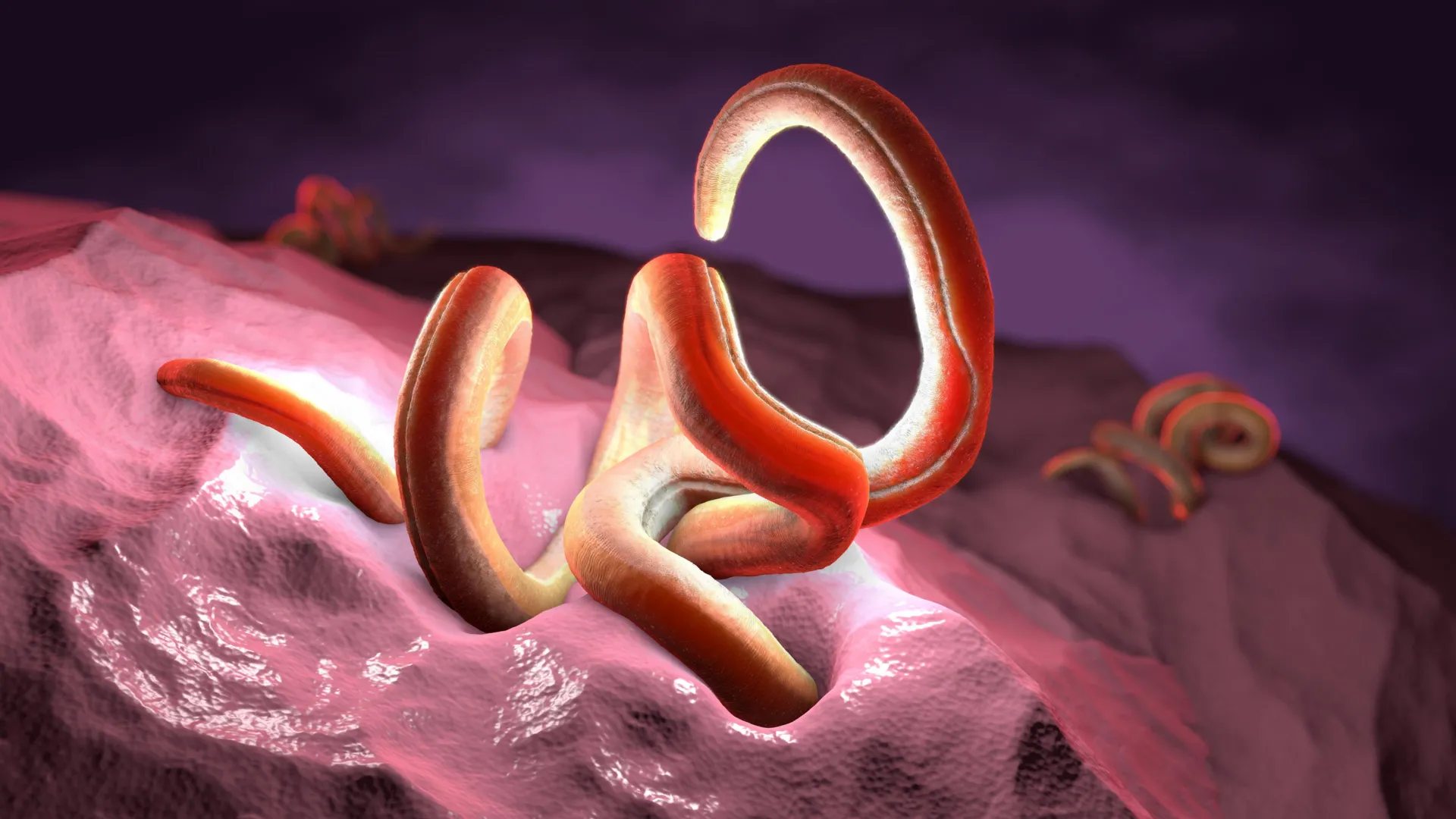
Dietary fiber may determine whether certain intestinal worms can help calm inflammation, according to researchers at the Biology Centre of the Czech Academy of Sciences. Their study, published in Nature Communications, found that rat tapeworms with anti-inflammatory effects lost those benefits when their host’s diet lacked enough fiber.
The work adds a dietary explanation for why helminth therapy, an experimental approach that uses intestinal worms to influence immune responses, has produced uneven results. Kateřina Jirků of the Biology Centre’s Institute of Parasitology said the team looked for factors in the gut that might explain why worms sometimes suppress inflammation and sometimes do not.
Worms changed under low-fiber diets
The researchers studied Hymenolepis diminuta, a rat tapeworm described by the Biology Centre as non-pathogenic and commonly used in studies of parasites, gut microbes and immunity. The species has known anti-inflammatory properties, making it a model for examining how diet affects interactions inside the gut.
According to the Biology Centre, worms in animals fed a diet high in structural fiber stayed in strong condition and triggered an anti-inflammatory response in the host. When fiber was scarce, the worms shifted into an energy-saving condition that the researchers compared with hibernation in mammals, and the anti-inflammatory effect was no longer seen.
The low-fiber diet also changed the worms’ development. The Biology Centre reported that the tapeworms were several times smaller, did not become sexually mature and did not lay eggs. Genetic analysis found broad changes in gene activity tied to development, metabolism and reproduction.
The paper’s title, “Developmental plasticity enables an intestinal tapeworm to adapt to dietary stress,” reflects that response. The authors include Milan Jirků, William Parker, Oldřiška Kadlecová, Martin Moos, Monika M. Wiśniewska, Roman Kuchta, Petra Tláskalová, Vladislav Ilík, Aleš Tomčala, Zuzana Pavlíčková, Kristýna Brožová, Julius Lukeš, Miroslav Oborník, Martin Kolísko, Barbora Pafčo and Kateřina Jirků.
Microbes shifted with the diet
The study also found that fiber affected the host’s gut microbiome. The Biology Centre said fiber-rich diets supported bacteria associated with a healthier intestinal environment, while a Western-style diet reduced microbial diversity and increased microbes linked with dysbiosis, an unhealthy microbial imbalance.
Those microbial differences were accompanied by changes in the host immune response, according to the researchers. They said the findings show that diet can alter several parts of the gut system at once: parasites, bacteria and immune activity.
The Biology Centre placed the work in the context of changing parasite exposure in industrialized countries. It said intestinal parasites were common through much of human history but have become less frequent in industrialized societies because of sanitation and medicine, while autoimmune and inflammatory bowel diseases have become more common over the same broad period.
The researchers did not present the findings as a recommendation to self-treat with parasites. Instead, the study points to fiber as a condition that may influence whether worm-based therapies work as intended.
Health organizations generally advise adults to eat about 25 to 30 grams of fiber per day, according to the Biology Centre, while average intake in many Western countries is below that amount. The centre said traditional populations are estimated to consume about 80 to 120 grams daily.
Previous research cited by the Biology Centre has linked low fiber intake with weaker gut microbial communities. The centre said the microbiome has roles in digestion, immune function, brain health and mental well-being, and that microbial imbalance has been associated with higher risks of allergies, depression, anxiety and neurodegenerative diseases including Alzheimer’s disease.
This story draws on original reporting from ScienceDaily.