
Evolutionary trade-offs help explain common human ailments
An anatomy lecturer argues that many weak points in the body reflect inherited structures adapted for new jobs over millions of years.
By Lucas Ferreira · Science & Environment Writer
3 min read
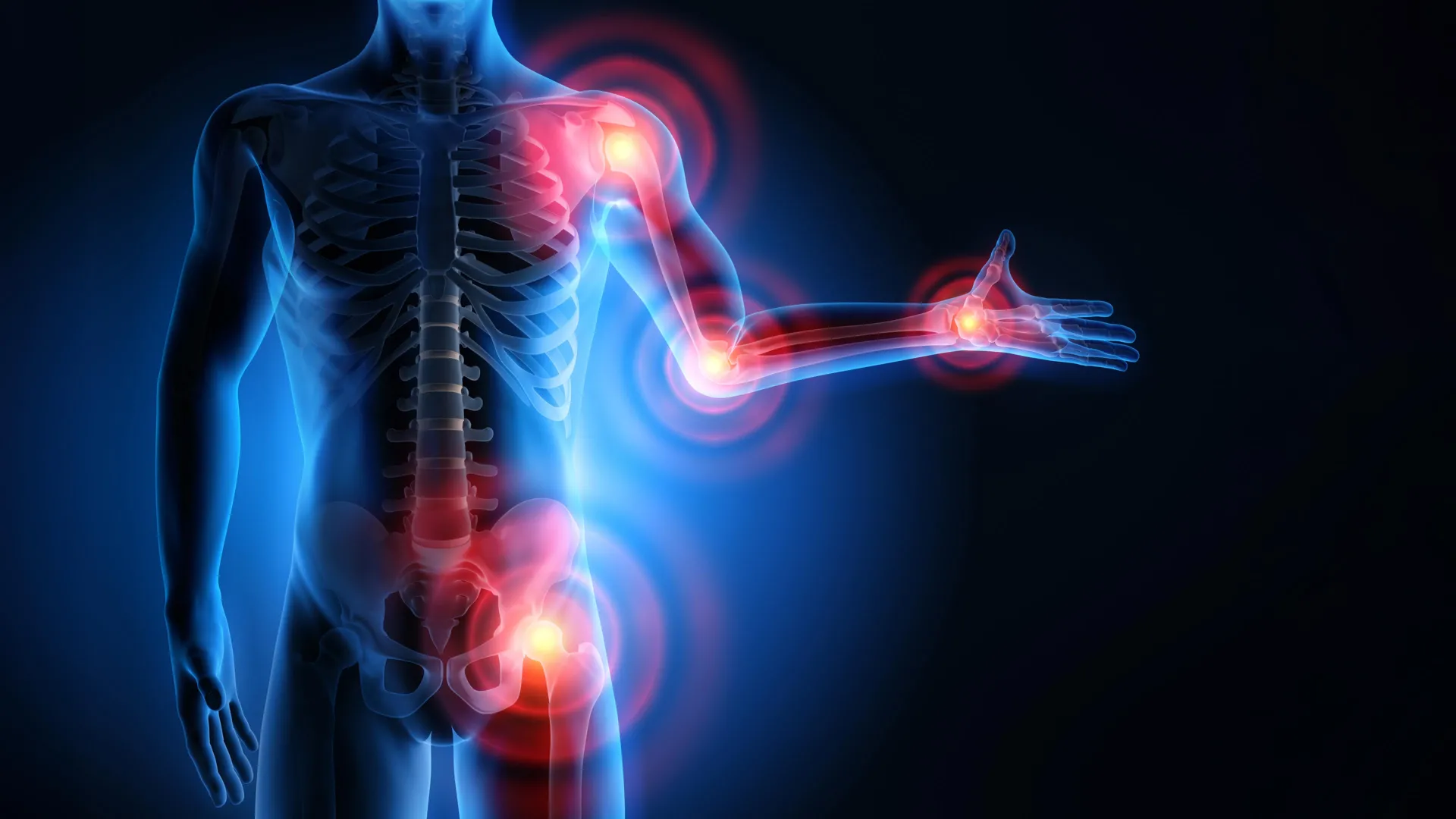
Many common human health problems may stem from evolution’s habit of revising old anatomy rather than rebuilding the body from the ground up, according to Lucy E. Hyde, a lecturer in anatomy at the University of Bristol, writing in The Conversation. Hyde argues that the spine, eyes, teeth, pelvis, nerves and other structures show how survival can favor workable compromises over optimal engineering.
The analysis, republished by ScienceDaily on July 10, says human anatomy carries traces of earlier forms that were adapted as bodies, diets and behavior changed. Those adaptations often worked well enough to persist, Hyde writes, but they can leave people exposed to pain, injury and disease.
Old structures, new demands
Hyde points to the spine as one of the clearest examples. She writes that the vertebral column changed only modestly from ancestors that moved on four limbs and used the spine as a flexible support while protecting the spinal cord.
Once humans became upright walkers, that same structure had to bear weight vertically, help balance the body and remain flexible enough for movement, according to the article. Hyde says the curves of the spine help spread force, but they also contribute to problems such as lower back pain, slipped discs and degenerative conditions that can affect nearby nerves.
The recurrent laryngeal nerve offers another case, Hyde writes. Rather than taking a short path from the brain to the larynx, it travels down into the chest, loops around a major artery and then returns to the voice box.
Hyde traces that route to fish-like ancestors, in which the nerve’s path around gill arches was more direct. As necks lengthened during evolution, the nerve was extended instead of being rerouted, a layout she says can create surgical vulnerability.
Vision, teeth and childbirth
Human eyes also show limits set by evolutionary history, according to Hyde. In vertebrates, the retina is arranged so light passes through nerve fibers before reaching cells that detect it, and the optic nerve leaves through the back of the retina, producing a blind spot that the brain usually fills in.
Teeth reflect a similar trade-off, Hyde writes. Humans get baby teeth and adult teeth, but adult teeth do not regenerate after loss, unlike shark teeth. She says mammalian tooth development is tied to jaw growth and feeding, a system that served earlier humans but leaves modern people vulnerable to decay and tooth loss.
Wisdom teeth show what Hyde describes as evolutionary lag. Human jaws became smaller as diets softened, while the number of teeth did not shrink at the same pace, leaving many people without room for third molars and increasing the risk of impaction, crowding and removal.
Childbirth, in Hyde’s account, reflects a tension between walking on two legs and delivering large-headed infants. A narrower pelvis helps bipedal movement, while a larger birth canal would ease delivery; the result is a difficult birth process that can require help from others.
Features that persisted
Hyde writes that evolution does not remove every structure with limited usefulness unless it creates a strong disadvantage. She cites the appendix, now thought to have minor immune roles, even though it can become inflamed and cause dangerous appendicitis.
She also cites sinuses, whose functions remain uncertain and may include lightening the skull or affecting voice resonance. Their drainage pathways into the nose can make blockage and infection more likely, according to Hyde.
Small muscles around the ears provide another remnant of ancestry, Hyde writes. Many mammals use similar muscles to move the outer ear toward sound, while most humans have little effective control over them.
Hyde’s central point is that anatomy records a long history of adaptation rather than a clean design process. In that view, back pain, crowded teeth, sinus infections and difficult childbirth are partly consequences of structures inherited and modified over evolutionary time.
This story draws on original reporting from ScienceDaily.