
Study finds drug-resistant bacteria on hospital staff phones
Researchers say phones used by health care workers may be an overlooked contamination route inside hospitals.
By Priya Raghavan · Science Reporter
3 min read
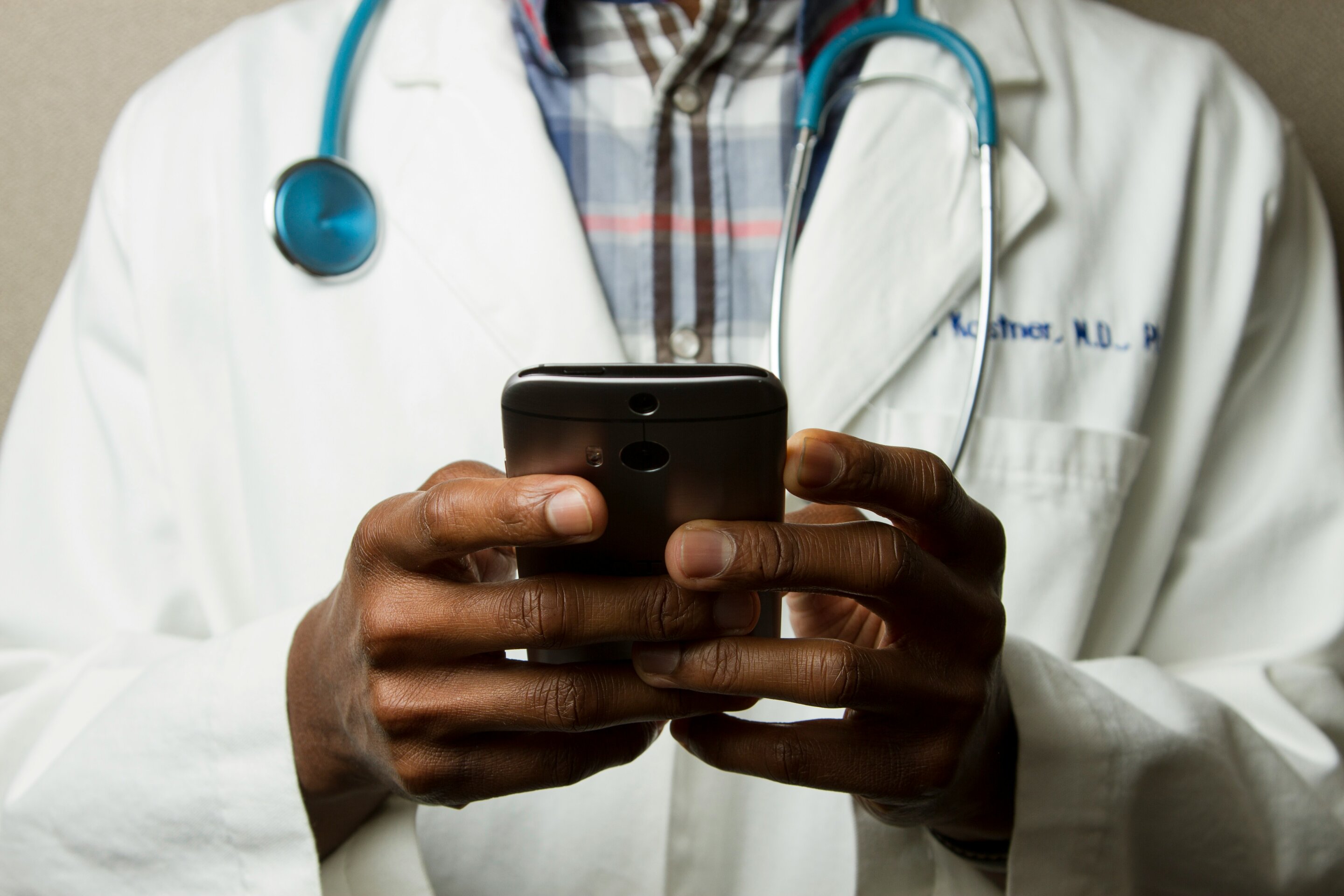
Mobile phones used by hospital workers carried bacteria linked to serious infections and antibiotic resistance, according to a new international study. The findings matter because the devices are handled throughout clinical areas but are often left out of routine infection-control cleaning, Bond University said.
The study, published in MicrobiologyOpen, examined DNA from 95 phones owned by health care workers in hospitals in Australia and the United Arab Emirates. Bond University said the research team included several of its scientists and described the work as the largest study of its type.
Researchers reported that the phones carried bacterial species associated with a significant share of the 13.7 million deaths attributed to bacterial infections worldwide in 2019. Each device had, on average, 3.62 species from the 10 bacteria tied to the highest global mortality, the study found.
Among the organisms detected were Staphylococcus aureus, Pseudomonas aeruginosa, Klebsiella pneumoniae and Escherichia coli. Bond University said all four are listed by the World Health Organization as priority pathogens.
The scientists used metagenomics, a DNA-based method that can identify microbes and the genes they carry. According to the study, the phones contained not only bacteria but also genetic material associated with antibiotic resistance, including genes that can help bacteria gain or pass on resistance traits.
The research team used the term “phonome” for the mix of microbes and disease-related genes found on mobile phones. Bond University said the study did not test whether phones directly infected patients or staff, but the results point to a possible route for contamination inside health care settings.
Samples came mainly from emergency departments and pediatric wards, Bond University said, with some taken from neonatal and pediatric intensive care units. The authors said phones may move between patient spaces, wards and personal areas while receiving less attention than hands or clinical surfaces.
Dr. Lotti Tajouri of Bond University, one of the study authors, said hospital infection-control programs may be missing a key carrier by focusing heavily on hand hygiene while giving less attention to phones. Tajouri said regular phone-cleaning procedures could add another barrier against hospital-acquired infections.
Co-author Dr. Adrian Goldsworthy said the work does not prove that mobile phones transmit infections, according to Bond University. He said it highlights a contamination route that has received too little attention.
Bacteria identified in the study
Staphylococcus aureus: Bond University said this bacterium is common on skin and in noses, but can cause severe illness if it enters wounds, blood, lungs or surgical sites. Drug-resistant strains, including MRSA, are a major hospital concern.
Pseudomonas aeruginosa: The university said this pathogen can be dangerous for intensive care patients, burn patients and people with weakened immune systems, and is known for resistance to multiple antibiotics.
Klebsiella pneumoniae: According to Bond University, this organism can cause pneumonia, bloodstream infections and urinary tract infections in hospitals. Some strains can resist carbapenems, a class of last-resort antibiotics.
Escherichia coli: Bond University said E. coli is often harmless in the gut, but some strains can cause food poisoning, urinary tract infections, kidney infections and sepsis, with resistant strains becoming a growing global concern.
The researchers placed the findings in the broader burden of hospital-acquired infections. Bond University said such infections in Europe account for more than 25 million extra hospital bed days each year and cost an estimated 13 billion to 24 billion euros.
This story draws on original reporting from Phys.org.