
Creatine shows mixed results as possible depression aid
A review in Brain Medicine found two of five small trials reported benefits when creatine was added to treatment, while three did not.
By Lucas Ferreira · Science & Environment Writer
3 min read
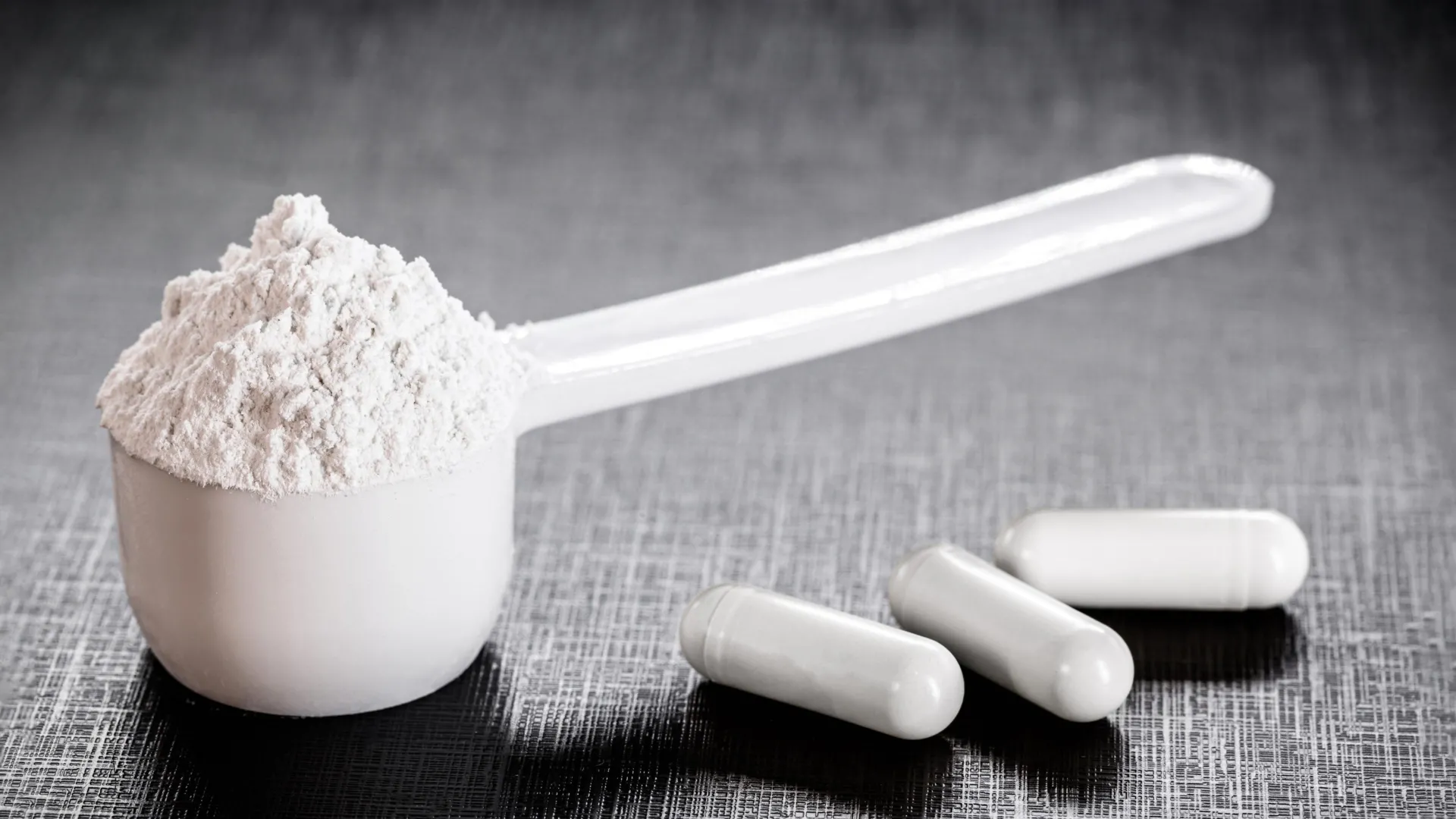
Researchers reviewing clinical trial data found early but inconsistent evidence that creatine may help some people with depression, according to Genomic Press. The findings could guide future studies of a widely used sports supplement as scientists look for additional ways to treat mood disorders.
The systematic review, published in Brain Medicine, did not test creatine in a new experiment. Instead, a team led by Bassam Jeryous Fares of the University of Ottawa examined existing randomized controlled trials in which participants received creatine or a placebo.
The review identified six published reports covering five trials, Genomic Press said. The studies included 238 participants at the start: 126 assigned to creatine and 112 assigned to placebo.
Small trials, split findings
The trials were conducted in South Korea, the United States, Brazil, Israel and India, according to the review. Participants were 36 years old on average, most were women, and two studies enrolled women only.
Four trials studied people with major depressive disorder, while one focused on people with bipolar disorder during a depressive episode, Genomic Press said. Because the trials used different methods and designs, the reviewers assessed them separately rather than pooling the results into one statistical estimate.
Two trials found added benefit from creatine, both in women with major depressive disorder, according to the review. In one, people taking five grams of creatine daily with the antidepressant escitalopram had larger symptom reductions after eight weeks than those receiving escitalopram and placebo; the review reported a Cohen’s d of 1.13 on the Hamilton Depression Rating Scale and more remissions in the creatine group.
A second positive trial paired creatine with cognitive behavioral therapy, Genomic Press said. Participants who received creatine had a greater reduction in depression symptoms on a standard measure than those who received therapy plus placebo.
The other three trials did not show a clear benefit, according to the review. One found that five or 10 grams per day did not improve symptoms in people whose depression had not responded to medication, another found no advantage among adolescent girls at different doses, and the bipolar disorder trial did not show improvement.
Why creatine is being studied
Genomic Press said the scientific interest centers on energy use in the brain. Creatine helps cells regenerate adenosine triphosphate, or ATP, and the brain depends on that energy system as well as muscles do.
The review said prior research has linked mood disorders with changes in brain creatine metabolism. Researchers are also examining whether creatine may affect dopamine and serotonin, neurotransmitters involved in mood and targeted by many antidepressant drugs.
The authors cautioned that those links do not prove creatine metabolism causes depression, according to Genomic Press. Depression involves multiple biological pathways, and the existing clinical evidence is too limited to support routine use of creatine as a depression treatment.
The review also flagged a safety concern in the bipolar disorder trial. Genomic Press said two participants who received creatine developed hypomania or mania, suggesting responses may differ by underlying diagnosis.
Nicholas Fabiano, the review’s corresponding author and a psychiatry resident at the University of Ottawa, said the intervention appeared safe overall in the studies reviewed, with adverse events limited to mild gastrointestinal discomfort, according to Genomic Press. He also said the evidence does not yet show reliably that creatine improves depressive symptoms or that findings apply broadly.
The researchers called for larger, longer trials lasting beyond eight weeks, Genomic Press said. They also recommended studying creatine with exercise and testing whether dose affects outcomes, while noting that higher doses may not necessarily work better.
This story draws on original reporting from ScienceDaily.