
Colorful songbirds are more likely to face extinction, study finds
UC Santa Cruz researchers linked brighter plumage in passerine birds to higher extinction risk, with the strongest patterns in parts of Asia and Australasia.
By Lucas Ferreira · Science & Environment Writer
3 min read
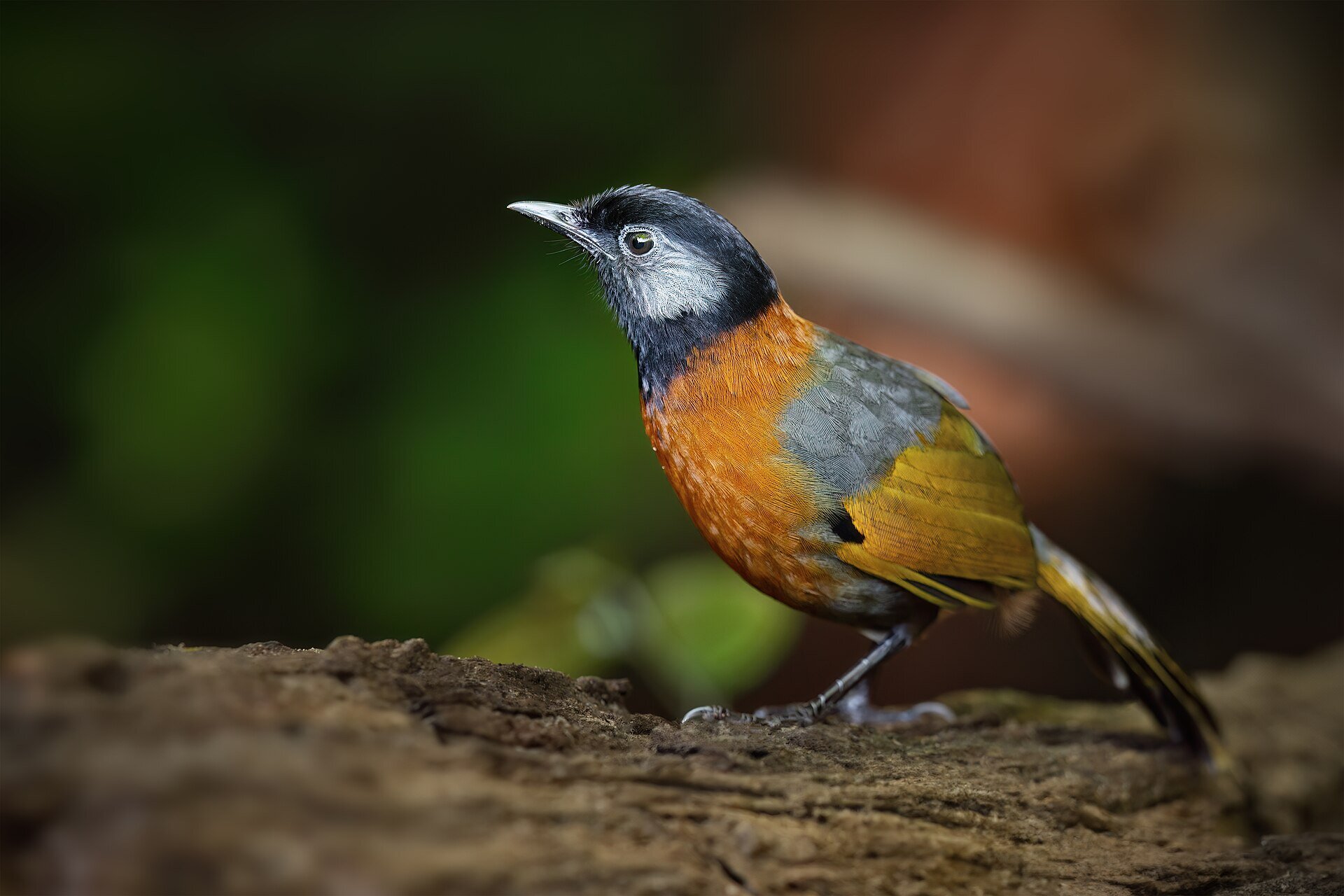
Brightly colored songbirds are more likely to be at risk of extinction than less colorful species, according to a new study in Conservation Biology. The finding matters for conservation because the same beauty that draws human interest to birds may also help put some species in danger.
Researchers Natalia Ocampo-Peñuela and Monte Neate-Clegg of the University of California, Santa Cruz, began examining the question after fieldwork in Vietnam, where they searched for the collared laughingthrush. The bird, known informally as the “Halloween bird” because of its orange, silver and black plumage, is listed as endangered by the International Union for Conservation of Nature and is heavily traded as a pet in Vietnam, according to UC Santa Cruz.
The study examined passerines, the large group of perching birds often called songbirds. Passerines make up more than half of bird species worldwide and include sparrows, swallows, crows and chickadees.
How the researchers tested the link
Ocampo-Peñuela and Neate-Clegg compared an existing global data set on bird coloration with information on species traits, geography, human development and trade. Their models included factors such as diet, body size and wing shape, as well as species ranges and country-level Human Development Index data.
The team also used information from the “Songbirds in Trade” repository to test whether the pet trade explained the relationship between color and risk. They compared those results with extinction-risk categories from the IUCN Red List, the global conservation inventory used to assess species’ status.
The researchers found a positive association between colorfulness and extinction risk. In other words, more colorful passerines were more likely to fall into higher-risk IUCN categories than duller birds, according to the study.
Pet trade does not explain all of it
The link was strongest in Indomalaya, which includes South and Southeast Asia, southern China and parts of Indonesia, and in Australasia, which includes Australia, New Zealand, New Guinea and nearby islands. UC Santa Cruz said the result fits with the strong cultural demand for songbirds in parts of Southeast Asia, where birds may be kept for their appearance and song and entered in competitions.
The study also found a stronger relationship in countries with lower Human Development Index scores. The researchers said those countries may have more economic pressure to trade birds and weaker regulation to stop it.
But the pet trade was not enough to account for the pattern. Neate-Clegg said the results show researchers need to learn more about why color and extinction risk remain connected even among birds not known to be traded.
The study found the relationship was also stronger in temperate regions than in the tropics. Ocampo-Peñuela said many threatened tropical birds are drab, forest-dependent species with small ranges that are vulnerable to habitat loss. The researchers also noted that the study excluded parrots, many of which face pet-trade pressure in Latin America.
UC Santa Cruz said other possible factors include predation, land-use change and climate change. Neate-Clegg said colorful birds could be hit harder if human-caused changes increase predation pressure.
The researchers said the findings could help guide conservation work, including trade policy and public education. They also said colorful birds can be powerful symbols for conservation, but that public interest should support watching and photographing them rather than removing them from the wild.
This story draws on original reporting from Phys.org.