
Browning lakes shift advantage from trout and bass to pike and walleye
Research links darker freshwater to slower fish growth and changing sport fish populations across North America and Europe.
By Lucas Ferreira · Science & Environment Writer
3 min read
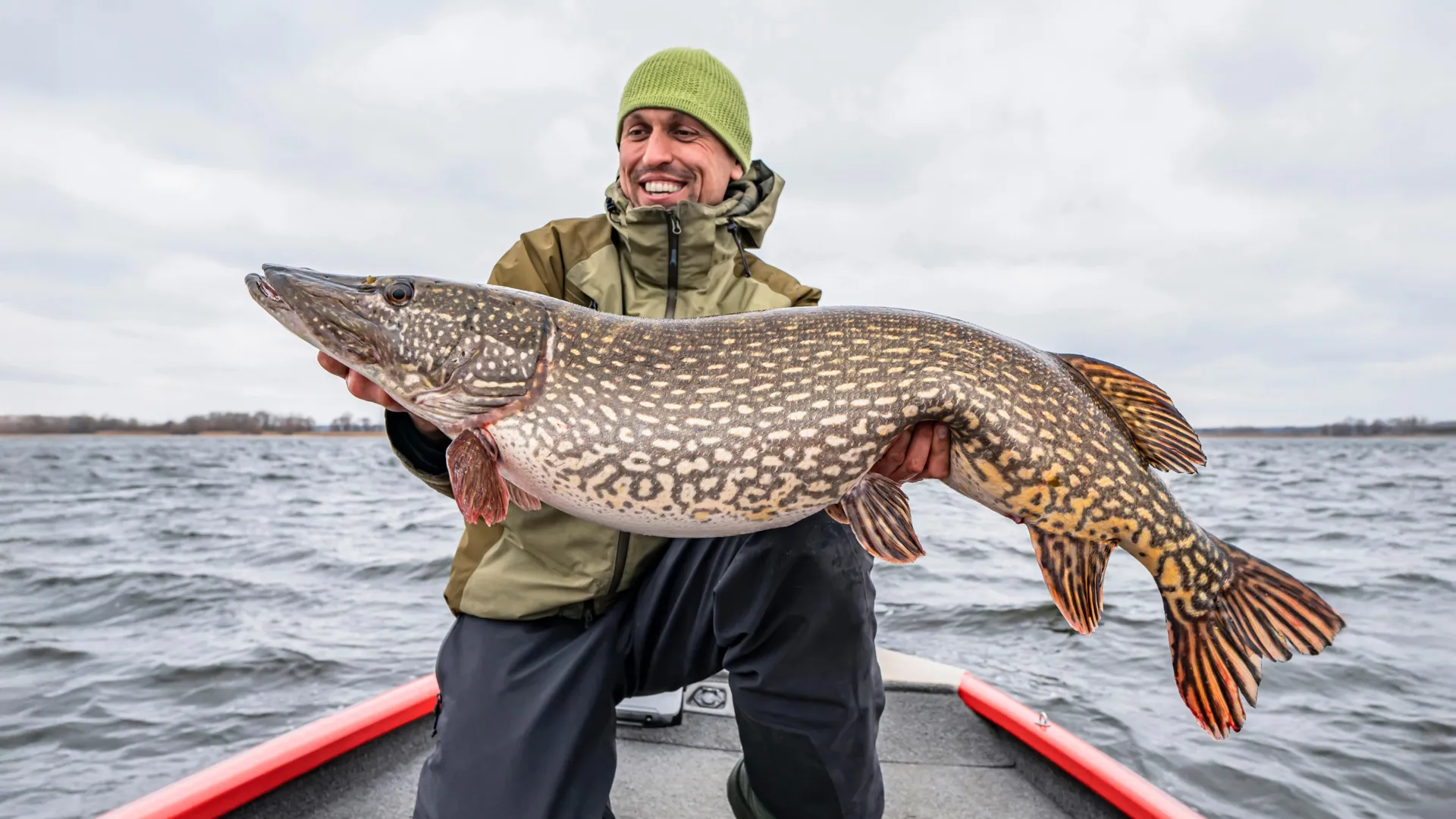
Freshwater lakes in parts of North America and Europe are getting darker, and research published in Biological Reviews links that browning to shifts in which fish species thrive. The findings matter for lake ecosystems and for anglers who may see fewer trout, bass, perch and whitefish in some unstocked waters, while pike and walleye become more common.
The Conversation reported that the darkening trend, known as freshwater browning, has been observed in many lakes, streams and ponds in northeastern North America and northern Europe over recent decades. ScienceDaily published the report on June 21, citing work by Allison M. Roth, Irene Gregory-Eaves and a large team of co-authors.
Why the water is turning brown
According to The Conversation, browning is tied to several changes that increase the amount and type of carbon compounds washing from land and soil into freshwater. Warmer temperatures and heavier runoff linked to climate change are among the factors identified by the researchers.
The report also points to a second cause: reductions in acidic emissions from smokestacks and other sources. As less acid falls in precipitation, soil chemistry changes in ways that can send more carbon into nearby waters, according to the cited research.
The brown color comes from dissolved plant material, The Conversation reported, comparing the effect to tea leaves staining water. That darker water reduces underwater visibility, which can affect how fish find food, avoid predators and choose habitat.
Species respond differently
The study combined earlier research with new analyses to examine how fish perform in darker water. The researchers reported that fish often grow more slowly in browner lakes, and that slower individual growth may help shrink some fish populations.
In an analysis of fish communities in 303 Canadian lakes, the team found that species with larger eyes were more common where the water was darker. The researchers said that result points to the role of vision in low-visibility freshwater systems.
A separate analysis covered populations of eight economically important fish species in 871 lakes across North America and Europe. The researchers found browning was associated with smaller populations of lake trout, lake whitefish, yellow perch, largemouth bass and smallmouth bass. Brook trout abundance was not affected, according to the study.
The pattern ran the other way for northern pike and walleye. The researchers reported that both species were associated with larger populations in browner waters.
The Conversation said walleye may benefit because their retinas are adapted for seeing in low-visibility conditions. Pike, the report said, have a well-developed lateral-line system that helps them detect vibration, movement and pressure changes in water.
What it means for fishing
The findings suggest browning could change both the makeup of fish communities and the experience of sport fishing. Anglers in darker waters may be more likely to encounter pike and walleye than some species that rely more heavily on clear-water visibility, according to the report.
The Conversation also said fishing tactics may need to change in browner lakes. Rather than relying mainly on colorful or shiny lures, anglers may have more success with vibrating lures that fish can sense through the lateral line, or scented lures that trigger smell.
This story draws on original reporting from ScienceDaily.