
Bacterial enzyme links may point to better cancer drug candidates
Researchers say they have identified how bacteria assemble multiple related anti-cancer compounds, a finding that could help drug designers make new variants.
By Tom Brennan · Health & Medicine Correspondent
3 min read
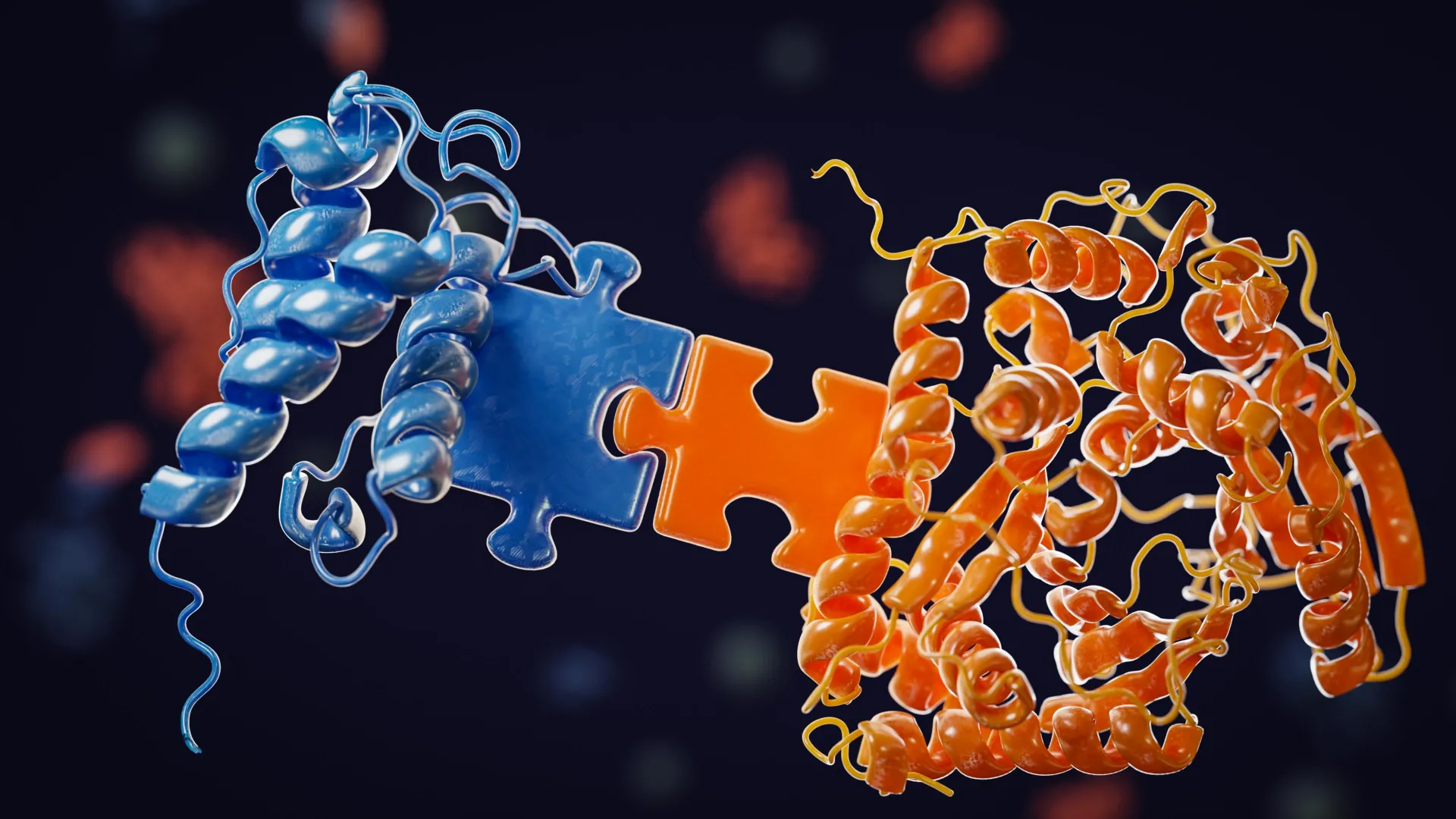
Scientists have identified a mechanism that lets bacteria build multiple versions of related anti-cancer compounds, according to the University of Warwick. The finding matters because it gives researchers a clearer way to engineer drug candidates inspired by bacterial chemistry, including compounds related to an approved cancer medicine.
The study, published in Nature Communications, examined how bacterial enzyme systems coordinate during combinatorial biosynthesis, a process researchers have long hoped to use for drug discovery. The work was led by researchers including Munro Passmore of the University of Warwick and Gregory L. Challis of the University of Warwick and Monash University, according to the university.
Warwick said the compounds studied include a family of HDAC inhibitors, drugs that block histone deacetylases, enzymes involved in gene regulation inside cells. Romidepsin, sold as Istodax, is an FDA-approved HDAC inhibitor used to treat T-cell lymphomas, the university said.
How bacteria link drug-building enzymes
The researchers focused on small molecular regions called docking domains. Warwick said these domains work as connectors between the main machinery that builds the drug core and other enzymes that add variable chemical parts.
According to the university, the docking domains share a conserved connection point that lets them work with more than one enzyme partner. That feature helps explain how bacteria can make several related molecules while preserving the precision needed for biological activity.
Passmore, a research fellow in Warwick’s chemistry department, said the field had known for decades that bacteria could produce several versions of potent anti-cancer compounds, but the way the enzymes cooperated had remained unclear. Warwick said the new work identifies the communication system that allows those enzymes to pass chemical intermediates along the production line.
The study also addressed FR-901375, a compound chemically related to other HDAC inhibitors in the group. Warwick said scientists had known about FR-901375 for decades, but had not identified the bacterial pathway responsible for making it.
Methods used in the study
To map the system, the team combined several approaches, according to Warwick. The work included searches of public databases that identified the FR-901375 biosynthetic gene cluster in Pseudomonas chlororaphis subsp. piscium, followed by mass spectrometry checks of extracted metabolites.
- The researchers used purified protein domains in laboratory experiments to test enzyme interactions, Warwick said.
- They used AlphaFold modeling to predict protein complex structures, then used carbene footprinting mass spectrometry to map interaction sites experimentally, according to the university.
- They changed selected binding residues and deleted genes in bacterial strains to test whether the docking domains were required for the pathway to work, Warwick said.
The researchers also compared biosynthetic gene clusters from several bacteria that produce HDAC inhibitors. Warwick said that comparison pointed to shared features that have been conserved through evolution.
Challis said the findings provide a framework for designing synthetic pathways that generate new anti-cancer drug candidates. According to Warwick, the team’s near-term aim is to build a broader library of candidates for cancers where new treatments are needed.
This story draws on original reporting from ScienceDaily.