
Australian crater dated as Earth's oldest known impact site
Curtin University researchers say mineral dating places the North Pole Dome impact in Western Australia at about 3 billion years old.
By Priya Raghavan · Science Reporter
3 min read
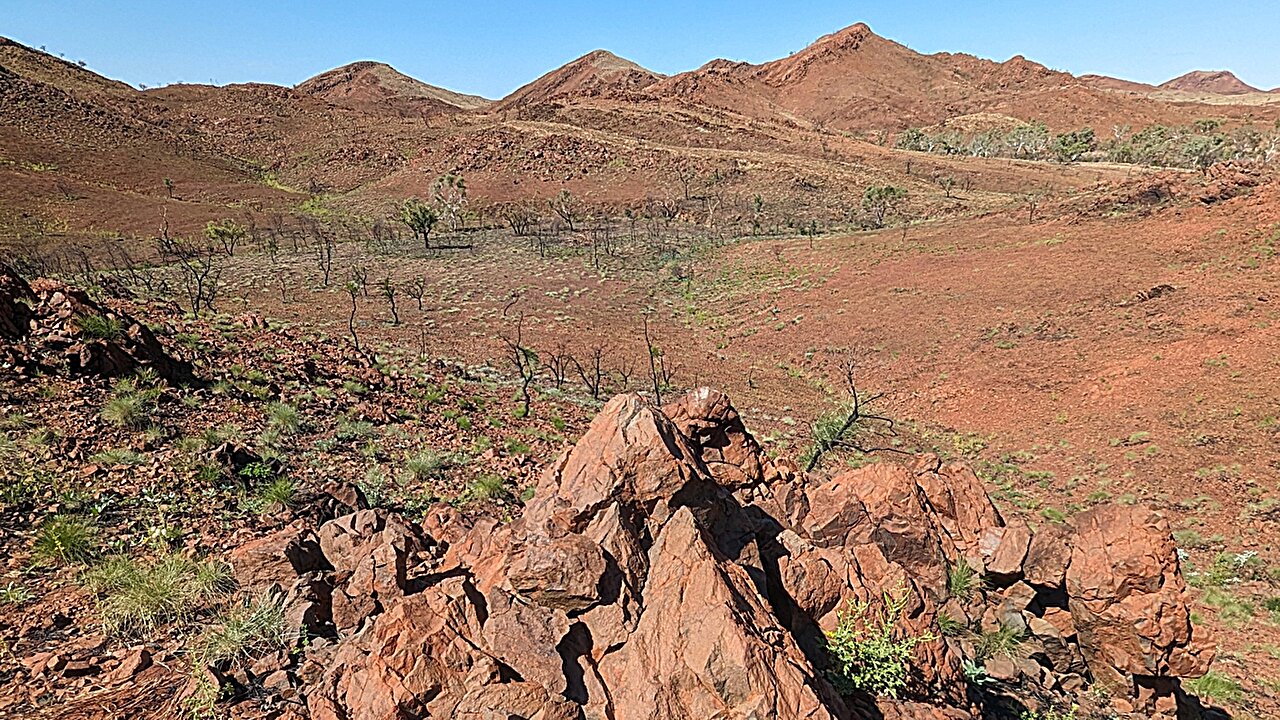
Researchers have dated the North Pole Dome structure in Western Australia to about 3 billion years ago, making it the oldest known impact crater on Earth, according to Curtin University. The result gives scientists a firmer time marker for a meteorite strike from a period when early continents were forming.
The work was carried out by researchers from Curtin University's School of Earth and Planetary Sciences and the Geological Survey of Western Australia, Curtin said. Their study, titled “How old is the North Pole Dome impact, Western Australia?,” was published in the journal Geology.
The North Pole Dome lies in the Pilbara region of Western Australia. Curtin said the area had already been identified as a possible ancient impact structure, but the age of the event had remained uncertain.
Minerals preserved the timing
Professor Chris Kirkland, the study's lead author and a researcher in Curtin's Timescales of Minerals Systems Group, said the team dated minerals in rocks damaged by the impact. According to Curtin, those minerals were either newly formed or altered during the event, preserving a record of when it happened.
The main evidence came from zircon, a durable mineral that can retain age information across vast spans of geological time, Curtin said. Some zircon crystals from North Pole Dome had branching, skeletal forms that the researchers interpreted as evidence of impact-related change.
According to Kirkland, the team concluded that older zircon was disturbed, partly recrystallized and in some places regrown as heat from the impact affected the rock. Curtin said those zircon crystals recorded an event about 3 billion years ago, which the researchers consider the best estimate for the strike.
The researchers also tested apatite, a second mineral system. Curtin said apatite formed when hot fluids moved through rocks damaged by shock, and its dating produced the same age as the zircon analysis.
Kirkland said the match between the two mineral systems supports the interpretation that both record one major meteorite impact, according to Curtin. The agreement strengthens the case for North Pole Dome as a precisely dated ancient crater.
A rare Archean record
Curtin said the age places North Pole Dome as the only recognized impact crater from the Archean eon, the interval when Earth's earliest continents were developing. The university said the finding extends the known record of well-dated terrestrial impacts further back in time than any other crater.
Dating very old craters is difficult because later geological processes can disturb the original evidence, according to Curtin. Heat, pressure and fluids can alter rocks over billions of years, making it hard to separate an impact signal from later events.
Kirkland said the team was able to distinguish the timing of the meteorite strike from the structure's later geological history, Curtin reported. That distinction is central to the researchers' claim that the North Pole Dome event has now been dated more precisely than before.
Dr. Simon Johnson, director of geoscience at the Geological Survey of Western Australia, said the work showed the value of collaboration in studying the state's geology, according to Curtin. The study adds a rare data point to scientists' understanding of how impacts affected early Earth.
This story draws on original reporting from Phys.org.