
Zambia alcohol intervention cut drinking in refugee settlement trial
A randomized trial in Mantapala found a 64% drop in alcohol use, pointing to a possible model for care in humanitarian settings.
By Tom Brennan · Health & Medicine Correspondent
3 min read
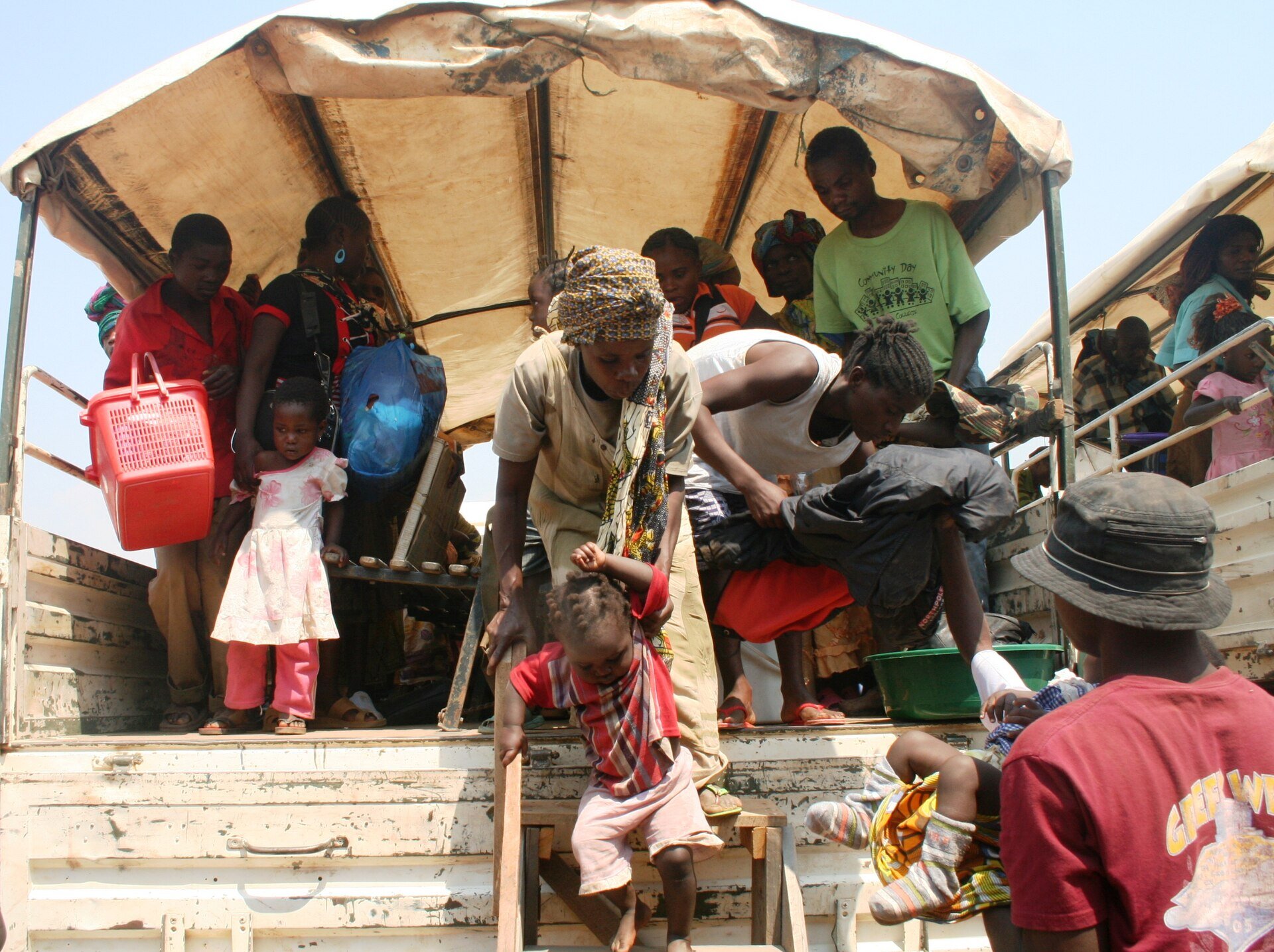
A Zambia alcohol intervention delivered inside a refugee settlement reduced drinking by 64% in a randomized trial, according to researchers at Columbia University Mailman School of Public Health. The finding matters because alcohol and drug problems often receive little attention in humanitarian health responses, even as conflict and displacement raise mental health risks.
The study, published in The Lancet Global Health, focused on the Mantapala refugee settlement in northern Zambia. Columbia said the trial was the first known randomized test of an alcohol-reduction program in a humanitarian setting and was conducted with partners across six countries.
Mantapala was set up in 2018 after people fled violence in the Democratic Republic of the Congo. Columbia said home-brewed alcohol is common there, and the risk of cannabis and other drug use is high.
What did the Zambia alcohol intervention study find?
Researchers reported that the intervention reduced alcohol use among Congolese refugees and Zambian participants, with effects still seen at 12 months. They also found fewer symptoms of common mental disorders at six months, but those mental health benefits were no longer significant at the one-year follow-up.
The trial did not find a significant reduction in drug use. A separate economic analysis found the program cost less than SBIRT models used in high-income countries, but would still need dedicated funding and local adaptation to continue in resource-limited humanitarian settings.
How the program worked
The trial tested a model known as SBIRT, short for screening, brief intervention and referral to treatment. In general terms, SBIRT screens people for risky substance use, gives brief counseling aimed at reducing harm, and refers people with greater needs to more intensive care.
After an initial assessment, participants were randomly assigned either to SBIRT or to usual treatment. Columbia said usual treatment meant referral to primary care providers for basic counseling at the Mantapala health clinic.
In the SBIRT group, trained staff reviewed participants’ current drinking patterns, discussed how alcohol was affecting them and explored ways to cut back or change use during one 30- to 45-minute session. Participants with higher-risk alcohol use, other drug use or mental health problems were offered six to 12 weekly cognitive behavioral therapy sessions.
Those sessions were delivered by non-specialists from both the refugee community and the Zambian host community. Columbia said they worked under supervision from mental health professionals, and that no other specialized mental health or substance-use services were available inside Mantapala.
People with urgent health needs were accompanied to a district-level hospital, according to Columbia.
Why the refugee setting matters
Columbia cited estimates that 123 million people were living in forced displacement at the end of 2024, including more than 36 million refugees. Armed conflict and displacement are linked to worse health outcomes, including depression, anxiety, PTSD and substance-use disorders.
The researchers said alcohol and other drug use can be tied to boredom, daily stress, trauma and mental health conditions in refugee settlements. Claire Greene, an assistant professor of population and family health at Columbia and the study’s first author, said the work improves understanding of how services for alcohol and drug use can be delivered in emergency settings with very limited resources.
The study also points to a broader care need: Columbia said high levels of depression, anxiety and PTSD occurred alongside unhealthy alcohol use in the population studied, suggesting alcohol programs in humanitarian settings may need to address mental health problems at the same time.
This story draws on original reporting from Medical Xpress.