
Wood chip trail borders cut blacklegged ticks in Ottawa study
University of Ottawa researchers found wood chip borders reduced ticks on Greenbelt trails, with treated chips cutting counts even further.
By Priya Raghavan · Science Reporter
3 min read
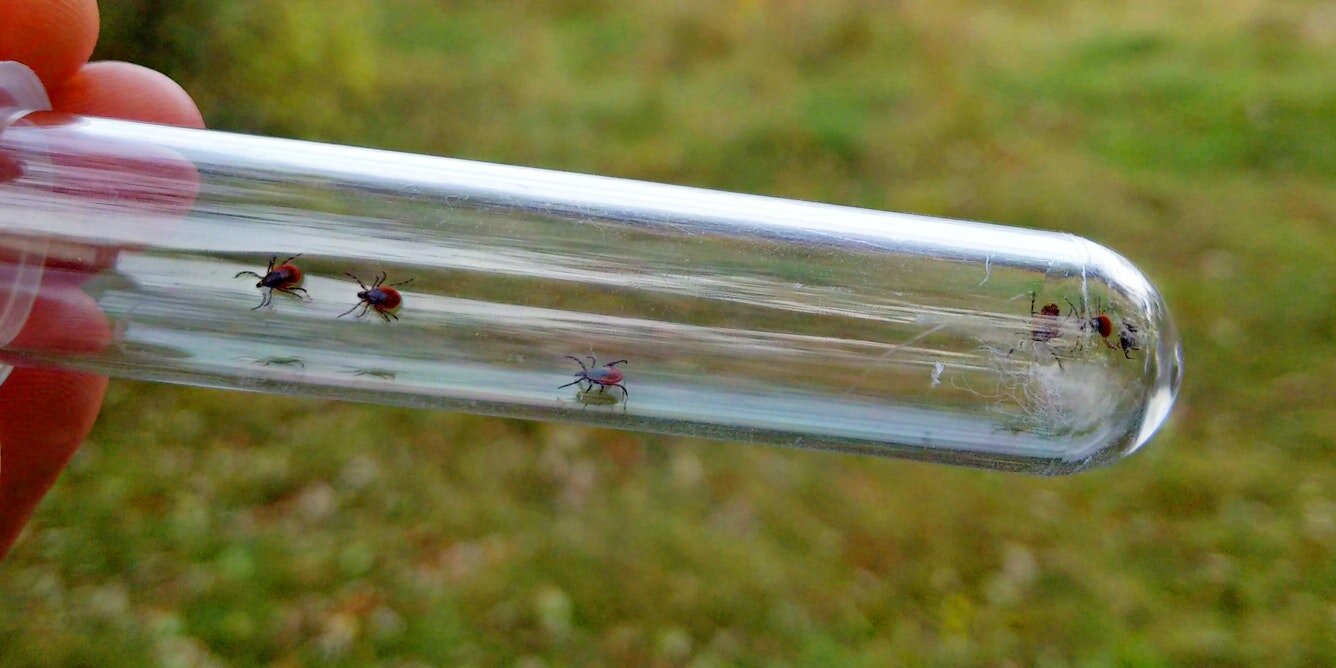
Wood chips placed along trail edges reduced blacklegged ticks on two Ottawa Greenbelt paths in a University of Ottawa field study. The finding matters as deer ticks and Lyme disease risk have expanded northward in Canada, bringing more people into contact with ticks near cities, the researchers reported in The Conversation.
The study, led by University of Ottawa researchers Katarina Ost and Manisha A. Kulkarni and published in Ticks and Tick-borne Diseases, tested whether changing the edge of high-use trails could lower tick exposure in peri-urban and suburban woodlands. The work followed pilot testing by the university’s INSIGHT lab in 2020, according to the researchers.
Trail edges targeted
The two-year project took place on two Ottawa Greenbelt trails managed by the National Capital Commission, the researchers said. Their team spread wood chips along forest-edge trail borders, where people walking or hiking may brush past vegetation that can hold ticks.
Ost and Kulkarni reported that wood-chip borders reduced the number of blacklegged ticks along those trail sections by nearly half. Some wood-chip sections were also sprayed at the start of each season in late spring with deltamethrin, an insecticide; those treated sections had tick reductions of nearly 99%, they said.
The researchers described the approach as a form of integrated tick control, often discussed under a One Health framework because it seeks to protect people while limiting harm to the surrounding environment and animals. They said many tick-control papers call for such integrated strategies, but relatively few have tested them in field experiments.
Ticks spend much of their time beneath leaf litter to avoid drying out, then climb grass or low plants while waiting for a host, according to the researchers. By changing conditions along the trail edge, the wood chips target an area where ticks live and where people may be exposed.
Limits and next steps
The researchers said the deltamethrin method may reduce pesticide exposure for other insects because it treats wood-chip borders rather than spraying broadly into trees and shrubs. The project also used recycled ash wood chips from the National Capital Commission’s ash tree removal program, giving land managers a local use for material from tree work, they said.
The trial also showed practical limits. The researchers said the 2022 derecho disrupted fieldwork in the first year, and they found through trial and error that an all-terrain vehicle was the most efficient way to distribute the wood chips along trail edges.
Because of that equipment need, Ost and Kulkarni said the method would likely work best, if expanded, on wider and heavily used trails where ticks are already established. They also said storms expected to become more frequent and intense with climate change should be considered when planning interventions that alter trail conditions.
The researchers cautioned that the method depends on people staying on marked paths, since ticks may remain in off-trail areas. They said wood-chip borders should be paired with standard prevention steps, including using repellents containing DEET or icaridin and checking for ticks after outdoor activity.
Current Canadian Lyme disease guidance emphasizes personal protection, including long pants, tucking pants into socks, repellent, tick checks and quick removal of ticks, the researchers noted. They said wood chips could add a practical, potentially cost-effective tool for some recreational trails, especially when combined with tick surveillance to measure results.
This story draws on original reporting from Medical Xpress.