
Frozen and canned produce can match fresh food on nutrition
Research cited by The Conversation says budget-friendly frozen fruit and canned vegetables often retain nutrients, but shoppers should watch salt and sugar.
By Tom Brennan · Health & Medicine Correspondent
4 min read
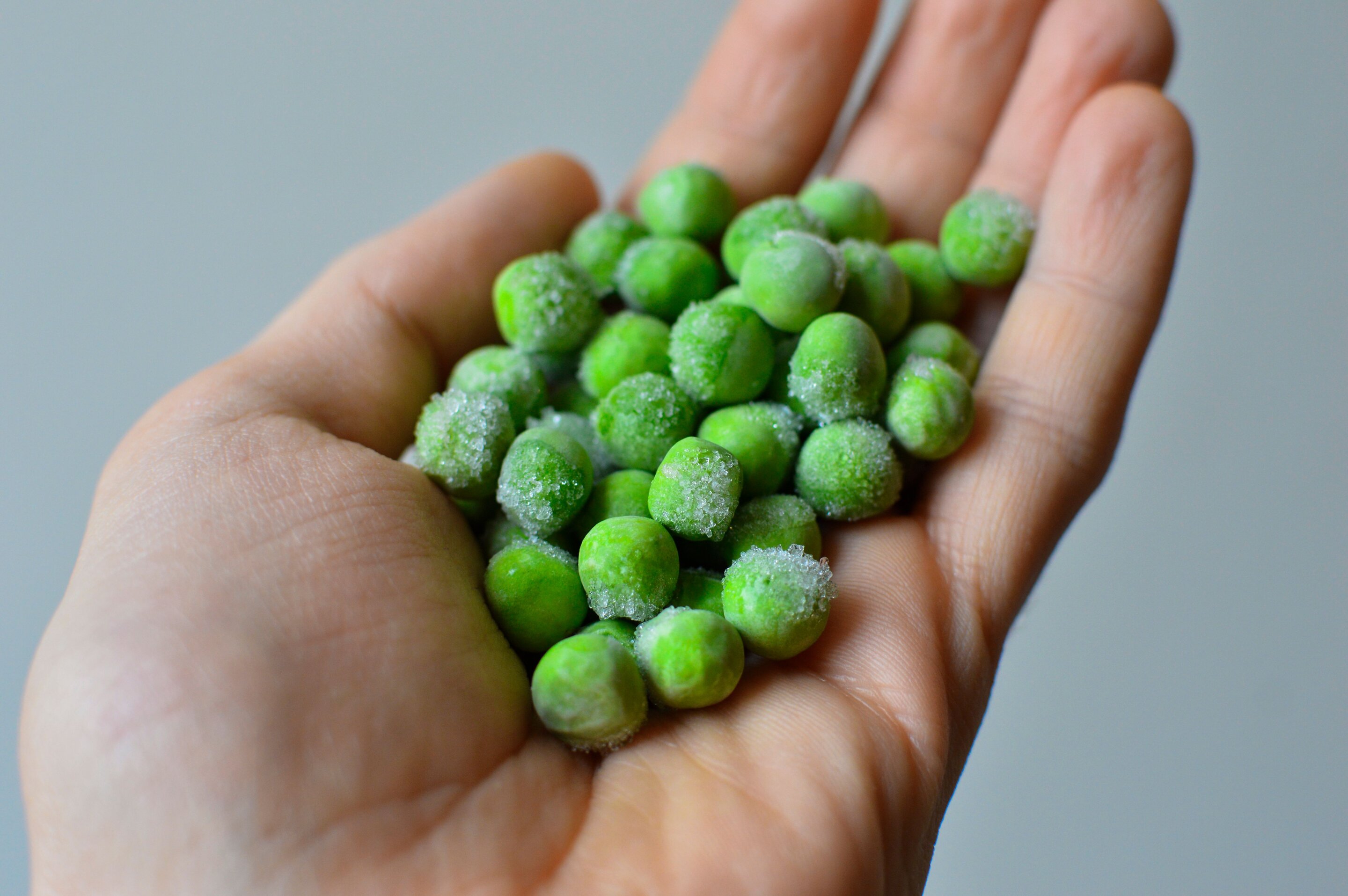
Frozen fruit and canned vegetables can be a healthy way to meet daily produce targets while keeping grocery costs down, according to nutrition researcher Margaret Murray writing in The Conversation. The finding matters for households under price pressure because these foods are often cheaper, last longer and are less likely to be wasted than fresh produce.
Murray wrote that fruit and vegetables provide vitamins, minerals and fiber that support health and help lower the risk of illnesses including heart disease and some cancers. The Australian Guide to Healthy Eating recommends adults eat at least two serves of fruit and five serves of vegetables a day, and Murray noted that frozen and canned options count toward those totals.
Under the guide’s serving examples, half a cup of frozen broccoli or half a cup of canned beans counts as one vegetable serve. One cup of canned peaches or one cup of diced frozen mango counts as one fruit serve.
Cost, shelf life and nutrients
Research cited by Murray found most canned and frozen fruits and vegetables cost less than fresh produce. They also tend to come chopped or ready to cook, which can reduce preparation time.
Because frozen and canned foods keep for longer than fresh produce, Murray wrote, they can be available year-round and are less likely to spoil before being eaten. That can make them useful for people trying to keep fruit and vegetables on hand without repeated shopping trips.
On nutrition, Murray wrote that frozen and canned produce generally keeps much of its original value. Research she cited found most frozen and canned products are nutritionally comparable with fresh fruit and vegetables that have spent a week in the refrigerator.
Some preservation methods can even raise levels of certain nutrients, Murray wrote. She cited frozen apricots as an example, saying they can contain much more vitamin C than fresh apricots because vitamin C is used in preservation.
Freezing slows spoilage through low temperatures, and industrial freezing can help preserve color, texture and nutrients, according to research cited by Murray. But ice crystals can damage food structure, lowering nutrient content and making produce softer, especially if it is thawed and refrozen.
Murray also noted a food safety issue: frozen fruits and vegetables can be contaminated with Listeria monocytogenes, a bacterium that can cause food poisoning. Cooking produce before eating reduces that risk, according to the research she cited.
What to check on labels
Canning uses high heat to sterilize food so it can be stored at room temperature for long periods, Murray wrote. That heat can break down some nutrients, particularly water-soluble vitamins such as vitamin C, though newer canning methods can use shorter times and lower temperatures, reducing losses.
The main caution with canned vegetables is sodium. Murray advised choosing products marked “no added salt,” comparing sodium on nutrition panels, and draining and rinsing canned vegetables before eating them.
For baked beans in sauce, Murray said the sauce may include added salt and sugar. People who eat them often may want salt-reduced versions.
For canned fruit, Murray recommended fruit packed in juice rather than syrup to limit sugar intake. Some products also carry “no added sugar” labels.
How to use them
Murray suggested eating canned fruit on its own or with cereal or yogurt, and using canned or frozen fruit in recipes that call for fresh fruit. Frozen peas and edamame can be added near the end of cooking in stir-fries or stews.
Canned lentils, chickpeas and beans can add fiber and protein to pasta sauces, stews and salads, Murray wrote. Because they are already cooked, they are quick to use, though she recommended rinsing them first.
Dried beans, chickpeas and lentils can be even cheaper than canned versions and keep for a long time, Murray wrote, but they may take longer to prepare and sometimes need soaking. Dried fruit, however, is not recommended by the Australian dietary guidance as an everyday replacement for fresh, frozen or canned fruit because drying concentrates its sugar content.
This story draws on original reporting from Medical Xpress.