
Vaccine misinformation threatens autonomy, researchers argue
Researchers say false vaccine claims undermine informed choice as Canada faces a measles resurgence and lower vaccination rates.
By Priya Raghavan · Science Reporter
3 min read
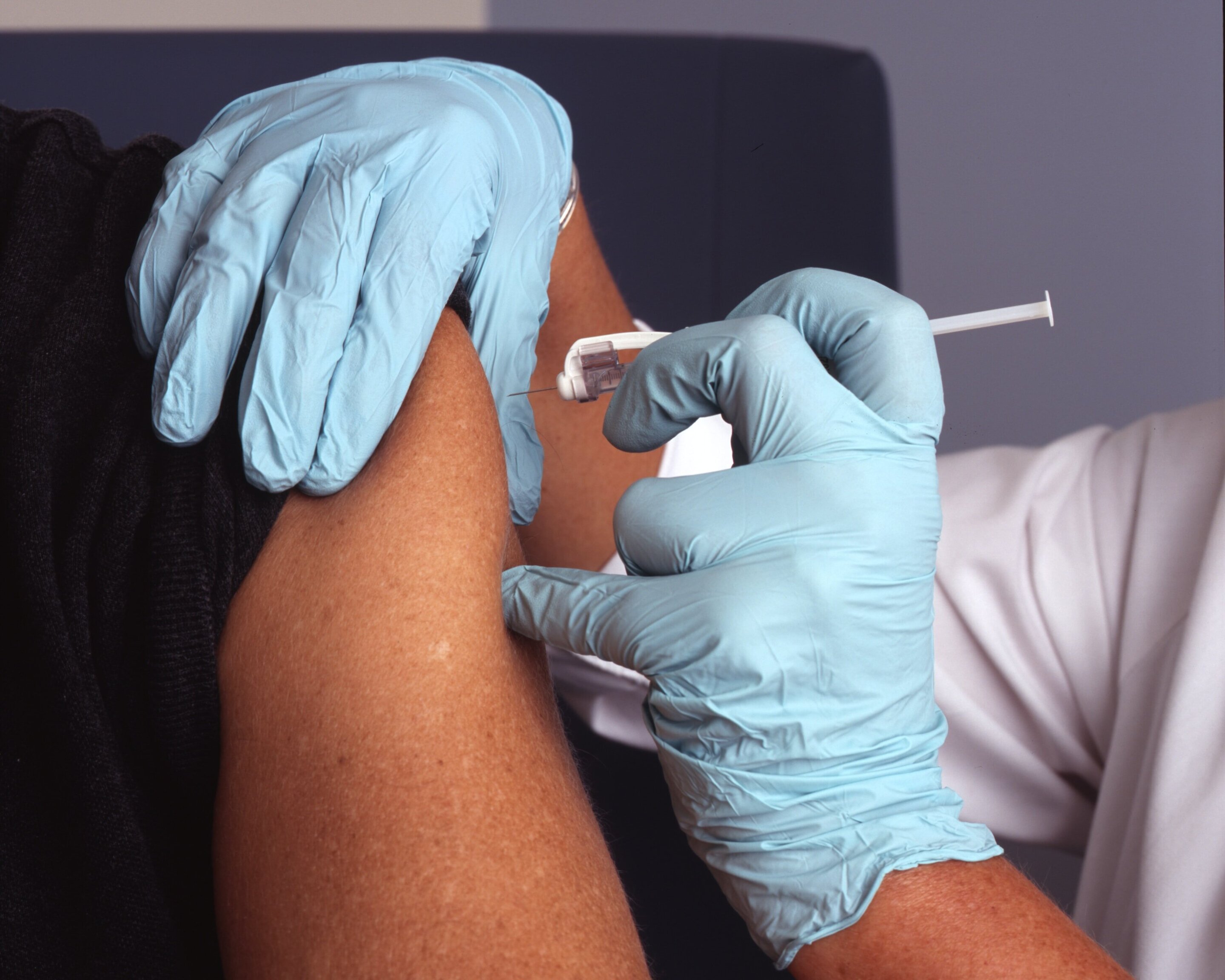
Vaccine misinformation autonomy concerns are rising as Canada sees measles return amid falling vaccination rates, according to a commentary by researchers Kari Pahlman and Diego S. Silva in The Conversation. They argue that false vaccine claims do more than weaken public health: they can also interfere with people’s ability to make informed choices.
Pahlman and Silva write that the post-COVID-19 debate over vaccines has become more polarized, with appeals to personal choice often used in arguments about vaccine policy. Their central point is that autonomy depends on reliable information, so misinformation and disinformation can undercut the very freedom their promoters often claim to defend.
How does vaccine misinformation affect autonomy?
Autonomy means being able to make decisions that fit a person’s values and beliefs. In health care, that idea supports informed consent: people need accurate, usable information before they can make meaningful medical decisions.
Pahlman and Silva distinguish misinformation, which is inaccurate information shared without intent to deceive, from disinformation, which is produced and spread deliberately to mislead. They say both can distort a person’s understanding of vaccines and disease risk before any decision is made.
The researchers write that people are not passive recipients of information and that accurate information is available. But they argue that vaccine decisions often require trust in expertise because infectious disease prevention is complex, and a polluted information environment makes it harder to tell which sources are reliable.
Measles resurgence sharpens the issue
The commentary links the autonomy argument to the return of measles in Canada, a disease the authors describe as previously eliminated. They say that resurgence is occurring alongside declining vaccination rates and wider disputes over vaccine policy after the COVID-19 pandemic.
The World Health Organization has described the overwhelming flood of health information, including false or misleading material, as an “infodemic.” Pahlman and Silva say the speed and reach of today’s information systems increase the risk that inaccurate claims will shape people’s beliefs before they can make a fully informed choice.
The authors also point to institutional risk. They cite a November update to the U.S. Centers for Disease Control and Prevention website that, according to The Conversation, repeated false claims about infant vaccines. Their argument is that falsehoods from official channels make it even harder for the public to assess what to trust.
What public health response do the authors want?
Pahlman and Silva say health care workers and public health practitioners have a duty to provide the best available information. They also argue that governments should protect the quality of information systems that people rely on when deciding whether to vaccinate.
The researchers stress that this does not mean judging people’s beliefs or forcing a particular decision. They frame the issue as one of systems and institutions: whether people can access and use information in ways that support independent judgment.
The commentary also cites real-world harms from vaccine falsehoods. A Canadian estimate cited by the authors found that up to 13,000 COVID-19 hospitalizations and 2,800 deaths between March 1 and Nov. 30, 2021, could have been avoided if people misinformed that the pandemic was a hoax had been vaccinated.
Pahlman and Silva argue that autonomy is affected beyond the moment a person accepts or declines a vaccine. By contributing to lower vaccination rates and the spread of preventable diseases, they write, misinformation can reduce people’s ability to take part safely in everyday life.
This story draws on original reporting from Medical Xpress.