
US HIV funding cuts tied to rapid drop in East Africa care starts
UCSF-led researchers found new HIV care enrollment fell 59% in Kenya, Uganda and Tanzania within five weeks of the January 2025 aid pause.
By Tom Brennan · Health & Medicine Correspondent
3 min read
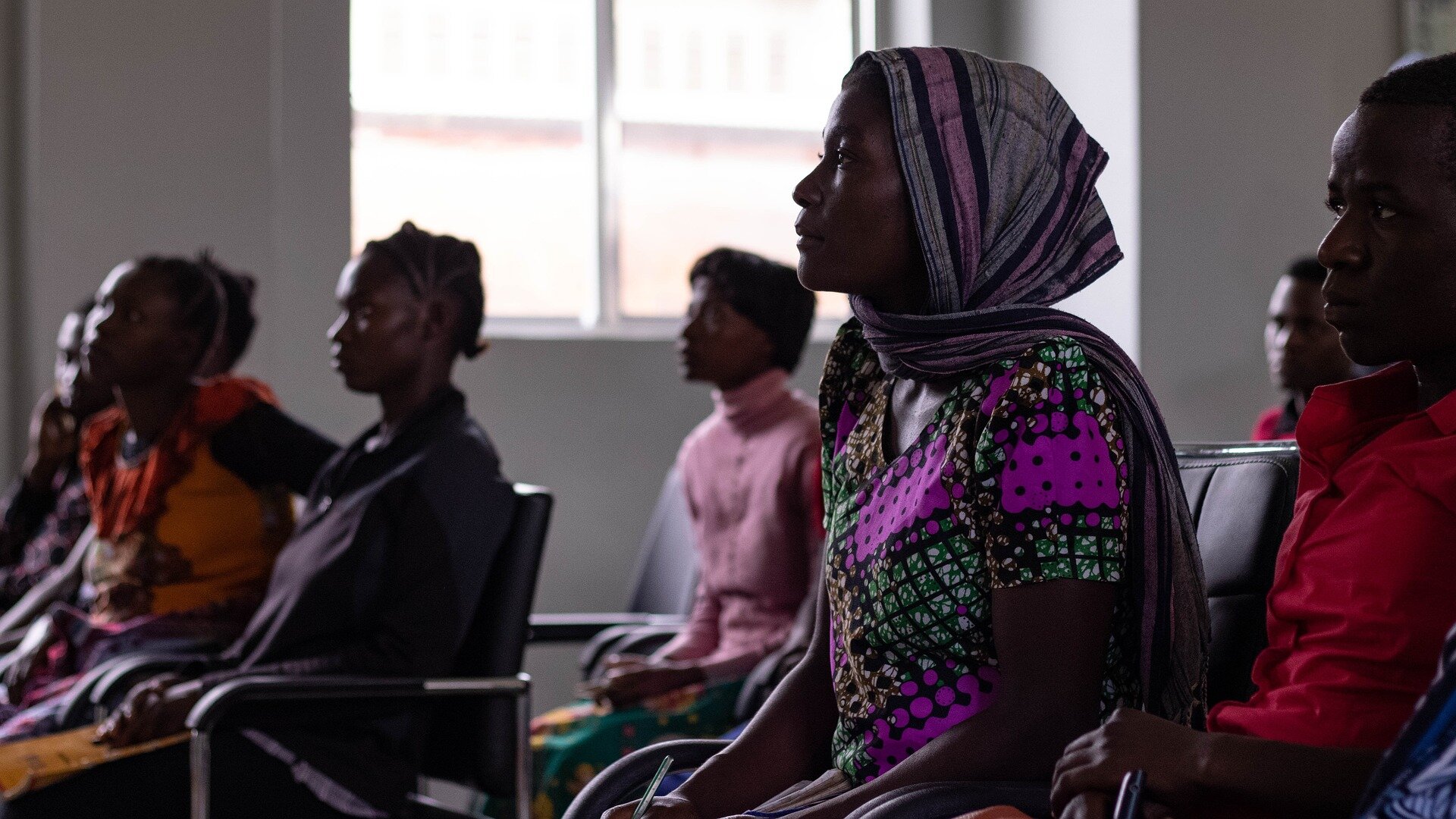
US HIV funding cuts in January 2025 were followed within weeks by a steep fall in people starting HIV care in East Africa, according to findings led by researchers at UC San Francisco. The results matter because delays in entering care can leave people untreated and make HIV programs less able to detect and control infection.
The UCSF-led team reported that new patient enrollment at HIV clinics in Kenya, Uganda and Tanzania fell 59% during the first five weeks after the U.S. funding withdrawal, compared with the same period in 2024. Viral load testing, a key measure used to check whether treatment is suppressing HIV, dropped 33% over the same comparison period, according to the researchers.
The findings were presented July 28, 2026, at the International AIDS Society Conference in Rio de Janeiro, Brazil. UCSF described the analysis as the first to use patient-level data to measure the immediate, real-world effects of the funding disruption.
How did US HIV funding cuts affect East Africa?
The researchers found that clinics did not see an immediate collapse in treatment for people already in care. The larger early effect was on people newly trying to enter HIV services, where the funding pause created a barrier to enrollment, according to the UCSF-led team.
The analysis drew on records from nearly 103,000 people at 189 HIV clinics in the three countries. Patient-level data means information recorded for individual patients rather than broad national totals, which can help researchers see changes in care more directly.
The work was conducted through the East Africa regional consortium of the International epidemiology Databases to Evaluate AIDS, a National Institutes of Health-funded network that has tracked HIV care in the region for almost 20 years. UCSF researchers partnered with colleagues in Kenya, Uganda and Tanzania for the review.
What programs were affected?
For more than two decades, the President’s Emergency Plan for AIDS Relief, known as PEPFAR, has financed HIV testing, treatment and prevention programs outside the United States. The program has been carried out through U.S. agencies including the U.S. Agency for International Development and the Centers for Disease Control and Prevention.
In January 2025, the Trump administration paused most U.S. foreign assistance, disrupting many HIV programs, according to UCSF. Clinics and partner groups reduced staffing or cut services after the pause, the researchers said.
The administration later exempted some lifesaving HIV care from the funding pause, according to UCSF. The university said some prevention and support services remain restricted.
Who saw the steepest declines?
Young people and men had the largest drops in entry into HIV care, according to the researchers. UCSF said those groups already had lower rates of HIV care access before the funding disruption.
Women, particularly pregnant women, generally have more points of contact with HIV services, according to the research summary. That may have helped reduce the immediate effect on their access compared with groups that have fewer routine opportunities for care.
Hong-Ha M. Truong, a UCSF professor of medicine and the study’s lead author, said HIV programs in the East Africa IeDEA consortium were able to keep providing care and treatment during the pause because providers continued working, including some who went unpaid. UCSF said its researchers are now studying the longer-term effects of the disruption.
This story draws on original reporting from Medical Xpress.