
Transmissible cancer in humans remains unsupported after catfish finding
A Nature study reports cancer spreading among catfish, but researchers say human cases do not meet the definition of transmissible cancer.
By Priya Raghavan · Science Reporter
3 min read
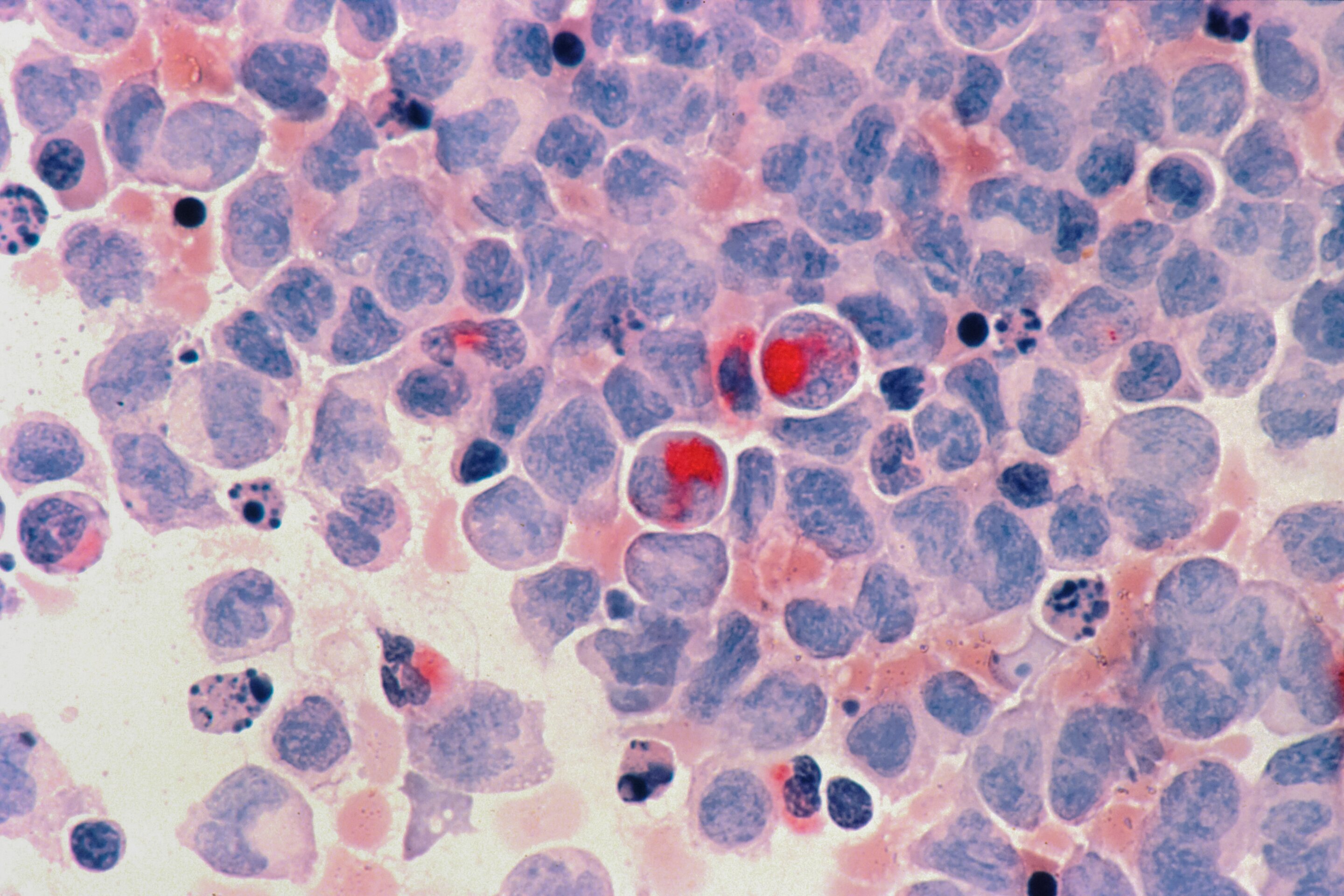
There is no evidence of a naturally occurring transmissible cancer in humans, even as researchers have reported a rare case of cancer cells spreading between catfish. The finding matters because it adds another animal to a short list of species in which cancer itself, rather than a virus or parasite, can move from one host to another.
Researchers in Vermont described the catfish disease in a study published in Nature, according to Lewis C. E. Mason writing for The Conversation. Mason said the skin cancer appears to pass from catfish to catfish and is only the fourth naturally occurring transmissible cancer identified in the wild.
The other known examples occur in Tasmanian devils, dogs and shellfish, Mason wrote. In those cases, living cancer cells leave one animal, enter another and continue growing as cancer in the new host. That is different from cancers linked to infectious agents such as human papillomavirus, because the cancer cells themselves are the spreading unit.
Can humans get transmissible cancer?
Mason wrote that humans have no known cancer that spreads naturally, maintains itself between people and evolves as an independent cancer lineage. A true transmissible cancer requires cancer cells from one individual to survive outside their original body, enter another individual and persist there as a self-sustaining clone.
Some rare human events can resemble transmission, but Mason said they do not meet that definition. Cancer cells have been found in transplanted organs, passed from mother to baby before birth, and accidentally transferred to a laboratory worker through a needle injury. Virus-linked cancers, including those associated with HPV, also differ because the virus contributes to cancer risk rather than the tumor cells spreading as an independent living lineage.
How do animal cancers spread?
In Tasmanian devils, facial bites during mating or fighting can move tumor cells into wounds, Mason wrote. Dogs can spread canine transmissible venereal tumor during mating through damage to genital tissue.
Shellfish provide a different route. Mason wrote that diseased shellfish can release large numbers of cancerous blood cells into the water after death, and other shellfish may take up those cells while filtering water for food.
The pathway in catfish remains under study. The researchers behind the Nature paper suggested, according to Mason, that the spread could involve mating behavior or exposure to cancer cells in water, similar to the mechanisms seen in other species.
Why transmissible cancers are rare
Mason said the main barrier is the immune system. Cancer cells from another animal usually look foreign, even within the same species, and are likely to be destroyed. The same principle helps explain why recipients can reject transplanted organs unless doctors suppress immune responses.
Genetic differences add another obstacle. Mason wrote that most species, including humans, have enough variation between individuals that cells from one animal are poorly matched to another. Tasmanian devils are an exception because their low genetic diversity helps the facial tumor disease avoid rejection.
Fragility is another problem for escaped cancer cells. Mason compared cells to delicate structures that can die quickly after leaving the body, which means successful transmissible cancers usually need a direct or protective route, such as wounds, close tissue contact or seawater.
Mason wrote that studying these unusual animal cancers can still help researchers understand human disease. They offer evidence about how tumors evolve, evade immune attack and spread, even though human cancers are not known to circulate independently between people.
This story draws on original reporting from Medical Xpress.