
Silica nanoparticles spur prostate tumor remissions in mice
A preclinical study found prostate-targeted C' dots killed tumor cells and made immunotherapy more effective in mouse models.
By Tom Brennan · Health & Medicine Correspondent
3 min read
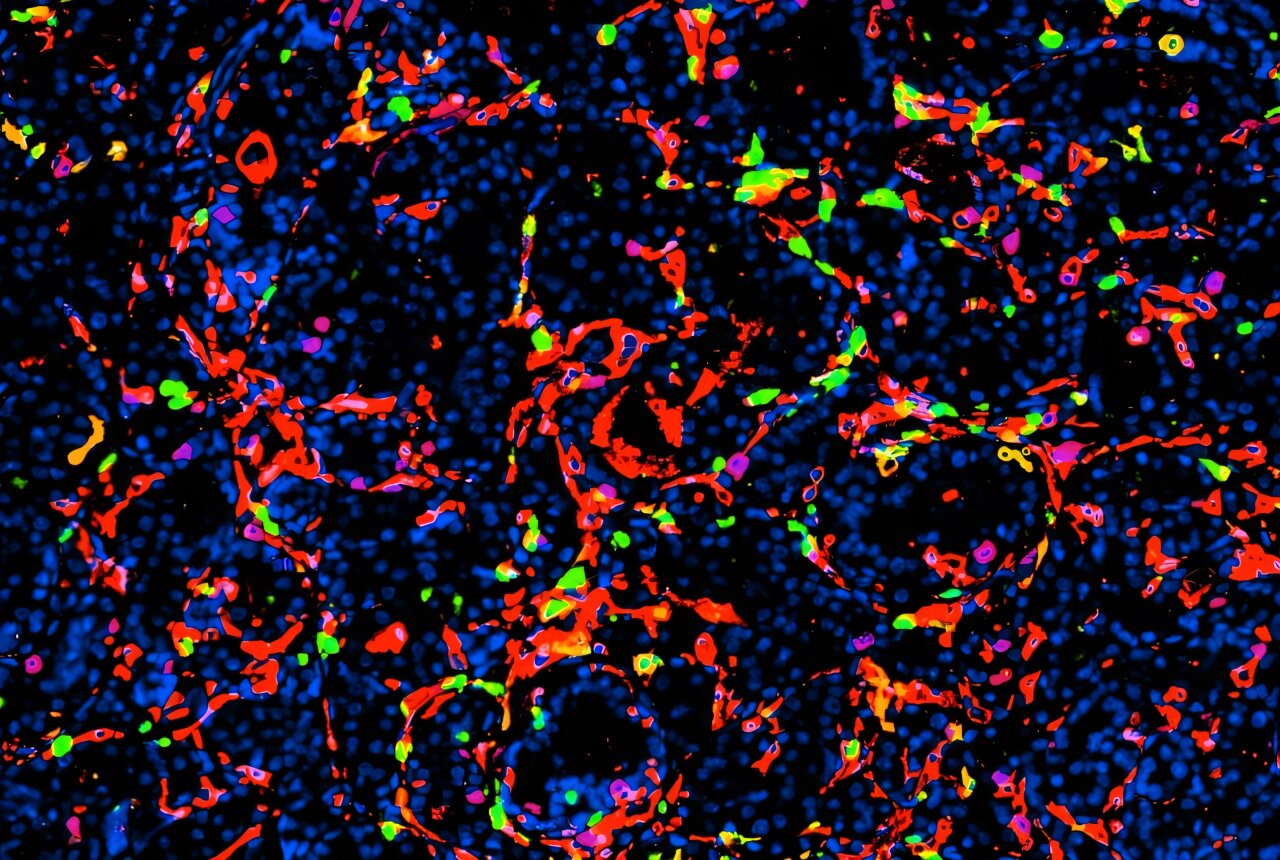
Engineered silica nanoparticles helped eliminate aggressive prostate tumors in some mice and strengthened the immune response against cancer, researchers at Weill Cornell Medicine and Cornell Engineering reported. The findings matter because prostate cancer has been difficult to treat with durable immunotherapy responses, according to the study team.
The work, published in Cancer Research, tested ultrasmall fluorescent core-shell silica nanoparticles known as Cornell Prime dots, or C' dots. The researchers said the particles were originally developed for medical imaging and have moved into advanced-phase clinical trials for image-guided surgery and other therapeutic applications.
In the new experiments, the team aimed the particles at prostate tumor cells using a molecule that binds PSMA, a protein found on the surface of prostate cells. Weill Cornell Medicine said the particles are made from amorphous silica derived from silicon dioxide, a material also found in common foods and fossilized structures from single-celled organisms.
How the treatment appeared to work
The researchers reported that the targeted C' dots pushed prostate tumor cells toward ferroptosis, a form of cell death driven by damaging oxidation of cellular molecules, including membrane fats. The exact trigger remains uncertain, but the team said the particles appear able to collect positively charged iron ions in the bloodstream and carry them into tumor cells, where those ions may help fuel destructive oxidation.
The study also found broad immune effects inside tumors. According to the researchers, immune cells including T cells and macrophages shifted from inactive or immune-suppressing behavior toward stronger antitumor activity after treatment with the particles.
That change appeared to make the tumors more responsive to approved immunotherapies, the team reported. The experiments also showed metabolic disruptions in several cell populations within the tumor microenvironment, which the researchers linked to reduced tumor growth.
Dr. Michelle Bradbury, senior author of the study and director of the Molecular Imaging Innovations Institute at Weill Cornell Medicine, said the results were encouraging because the treatment both killed tumor cells and changed the immune environment around them. Dr. Ulrich Wiesner of Cornell Engineering, a co-corresponding author, said the range of tumor-specific effects raised new questions about how ultrasmall silica interacts with biology.
Combination treatment produced the strongest results
In survival experiments involving mice with aggressive prostate cancer, the researchers found that C' dots alone and immunotherapies alone each moderately prolonged survival compared with no treatment. The strongest response came when the particles were paired with immune checkpoint blockade, the team reported.
That two-part combination led to complete or near-complete remissions and indefinite survival in four of 10 treated mice, according to the study. When researchers added CSF-1R blockade, a treatment aimed at tumor-associated macrophages, five of 10 mice had complete remissions.
The researchers said they saw no sign of toxicity in nonprostate tissues where the particles briefly accumulated, including the spleen. The study remains preclinical, and the results have not yet established safety or effectiveness for prostate cancer patients.
Dr. Jedd Wolchok, a study co-author and director of the Sandra and Edward Meyer Cancer Center at Weill Cornell Medicine, said the findings point to a combination of direct tumor killing and broader immune remodeling. The research team said it is continuing to study the silica particles as a possible class of cancer therapeutics, with the goal of testing safety and efficacy in clinical trials.
This story draws on original reporting from Medical Xpress.