
Supreme Court lifts coordinated party spending limits
The 6-3 ruling lets party committees spend without caps alongside campaigns, a shift both parties and analysts expect to favor Republicans.
By Sofia Marchetti · World Affairs Correspondent
3 min read
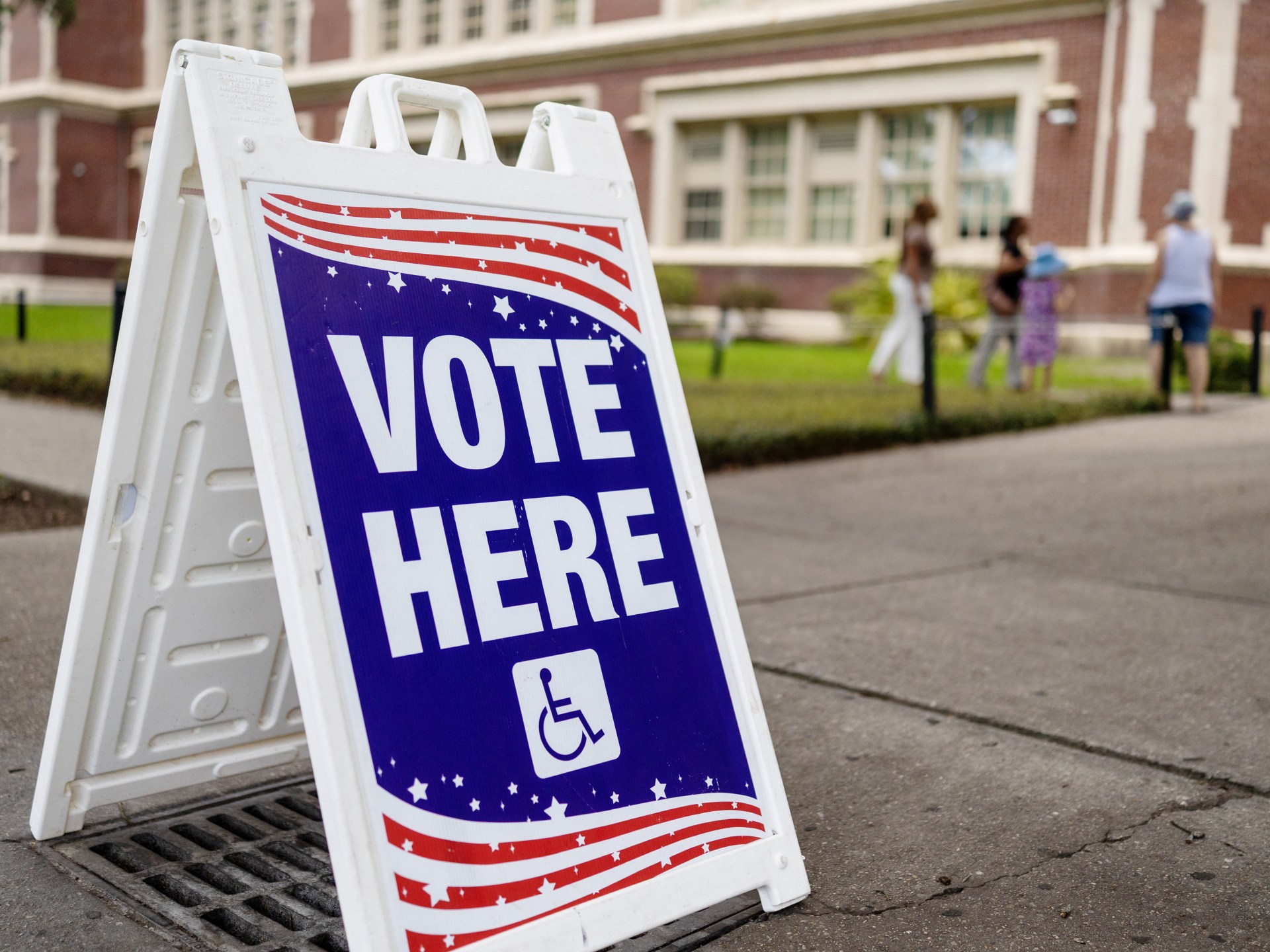
The U.S. Supreme Court has struck down federal caps on how much political parties may spend in cooperation with candidates, expanding the role of party money in federal races. The ruling is expected to redirect some campaign cash from super PACs to party committees ahead of the 2026 midterm elections, according to Al Jazeera.
The court ruled 6-3 on Tuesday in Federal Election Commission v. National Republican Senatorial Committee. Al Jazeera reported that the court’s conservative majority sided with the NRSC, while the three liberal justices dissented.
The case targeted a campaign finance rule dating to 1971 that limited coordinated spending between national party committees and candidates. According to Al Jazeera, the court held that the limits restricted political speech and violated the First Amendment.
What the ruling changes
Political parties may coordinate directly with candidates’ campaigns, unlike super PACs, which can raise and spend unlimited sums only if they act independently. Because parties can work with campaigns, federal law had long placed caps on their coordinated spending, Al Jazeera reported.
The spending limits varied by office and population. Al Jazeera reported that Senate caps ranged from $127,000 in some contests to $3.9 million in more populous states, while House races were capped at $127,000.
Donations to parties and party committees remain subject to legal limits, according to Al Jazeera. The change is that committees may now use the money they raise to spend without caps in direct coordination with campaigns.
The NRSC welcomed the decision, saying in a statement that the court had removed “unconstitutional caps” and allowed parties to better support candidates. Senate Democrats criticized the ruling in a statement as a win for billionaire donors and special interests seeking more influence over the Republican agenda.
How the case reached the court
The FEC initially defended the limits, arguing that coordinated party spending closely resembled direct campaign contributions and that the caps helped prevent corruption, according to Al Jazeera. The challenge was brought by Republican committees tied to then-Representative Steve Chabot of Ohio and then-Senate candidate JD Vance.
A federal appeals court in Cincinnati upheld the limits in 2024, Al Jazeera reported. Republican committees appealed to the Supreme Court.
After President Donald Trump returned to office, the FEC changed its position and stopped defending the law, according to Al Jazeera. By then, Vance had become vice president. The Supreme Court allowed Democratic Party committees, including the Democratic National Committee, the Democratic Senatorial Campaign Committee and the Democratic Congressional Campaign Committee, to step in and defend the limits.
Why donors may shift strategies
The ruling does not overturn Citizens United v. FEC, the 2010 decision that allowed corporations and unions to spend independently in elections, Al Jazeera reported. It does, however, give parties a stronger spending role because they can coordinate with campaigns while super PACs cannot.
Al Jazeera cited Brennan Center for Justice analysis finding that super PACs spent nearly $3 billion on federal elections from 2010 to 2020. It also cited Americans for Tax Fairness analysis that 100 billionaire families accounted for $2.6 billion in campaign spending during the 2024 cycle.
An NRSC analysis first obtained and published by ABC News said the ruling would affect both parties but would benefit Republicans more because GOP committees have been raising more money than Democratic counterparts, according to Al Jazeera.
Donald Sherman, president of Citizens for Responsibility and Ethics in Washington, said in a statement that the decision would make government more responsive to special interests and less responsive to the public. He added that the court had again increased the influence of high-dollar donors in U.S. democracy.
This story draws on original reporting from Al Jazeera.