
Scalp oils and hair oils serve different jobs, experts say
Hair specialists told NBC Select that using the wrong oil can leave buildup, weigh hair down or fail to treat dryness and frizz.
By Tom Brennan · Health & Medicine Correspondent
4 min read
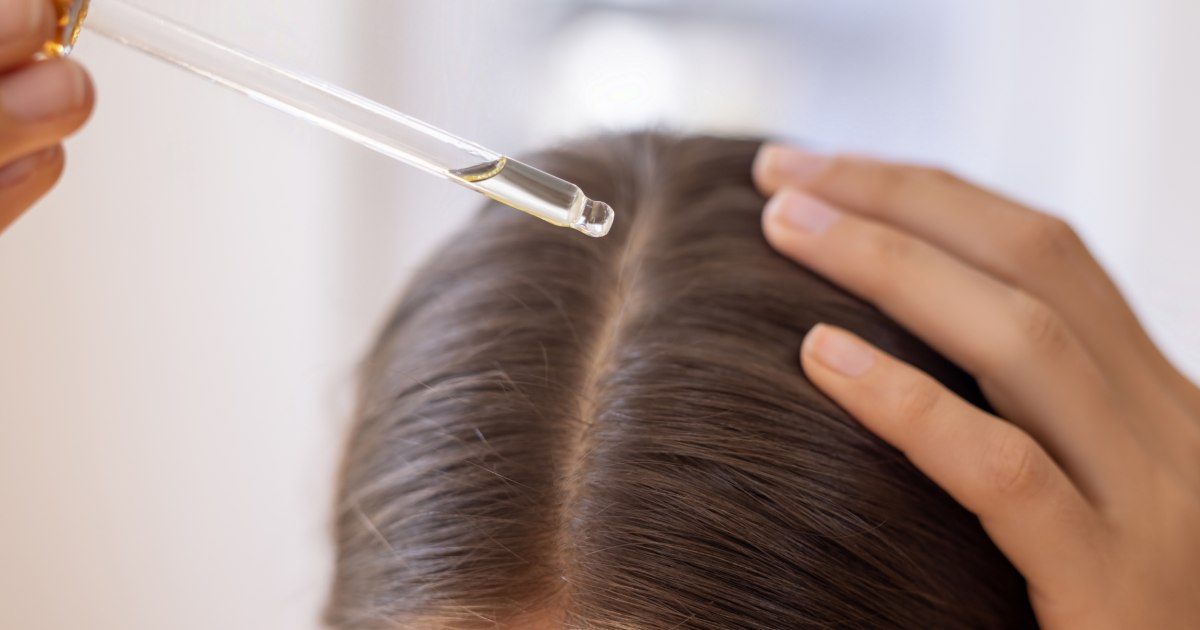
Hair-care experts are warning shoppers that hair oils and scalp oils are made for different uses, even though they often sit together on store shelves. The distinction affects results: specialists told NBC Select that the wrong formula can leave buildup on the scalp or fail to smooth and protect the hair shaft.
Shanelle Harris-Burke, a certified trichologist and founder of The Hair Bawse Salon in Des Moines, Iowa, told NBC Select that hair oils are meant for the strands. She said they can help hold in moisture, boost shine, limit frizz and shield hair from environmental wear, and that they often have a heavier feel because they coat the hair.
Scalp oils are aimed at the skin on the head, Harris-Burke said. According to her, they may help calm inflammation, balance oil production and support circulation, and they are usually lighter so the roots do not look greasy.
Harris-Burke told NBC Select that substituting one for the other can backfire. She said heavy hair oils applied to the scalp may clog follicles, disturb the scalp microbiome and create buildup that can get in the way of hair growth; she also said lightweight scalp oils usually lack the weight needed to seal the strand or reduce frizz.
Products experts cited
NBC Select said its product list was based on recommendations from hair and scalp specialists. For hair oils, Harris-Burke cited Olaplex No. 7 Bonding Oil, which NBC Select said contains a coconut-derived emollient, vitamin E and sunflower seed oil; she said it can be useful for people who use heat tools or have color-treated hair.
Dallas hairstylist Juan Flores told NBC Select that Hairitage Smooth It Over Hair Oil helps reduce frizz and add shine without leaving hair feeling greasy. According to the brand, the formula includes argan and avocado oils and vitamins A, E and D, and is intended for dry or damaged hair.
Harris-Burke also named CÉCRED Nourishing Hair Oil, telling NBC Select that it feels light, absorbs into strands and works across hair textures. According to the brand, the formula includes 13 oils and a keratin ferment, and can be used on wigs and weaves.
For scalp oils, Christine McMillan, a board-certified trichologist and owner of Scalp Garden in Buford, Georgia, told NBC Select that Innersense Organic Beauty Hair Renew Scalp Oil can suit someone with a generally normal scalp who is dealing with dryness. According to the brand, it contains sesame, sunflower seed and pomegranate seed oils.
Harris-Burke recommended Mielle Organics Rosemary Mint Scalp & Hair Strengthening Oil, NBC Select reported. According to the brand, it contains biotin and essential oils including rosemary, mint and jojoba, and can be used on chemically treated hair and protective styles.
NBC Select said multiple experts recommended Carol’s Daughter Goddess Strength 7 Oil Blend Scalp and Hair Oil. According to the brand, it combines castor, black cumin seed, sunflower seed, jojoba, olive, coconut and soybean oils, and is suited to wavy, coily and curly hair, including 4C hair.
How to choose an oil
Harris-Burke told NBC Select that ingredient choice should depend on the target area. She recommended argan, castor and avocado oils for hair, and jojoba, rosemary and peppermint oils for the scalp, saying she has seen rosemary help hair growth for some people and that peppermint can increase blood flow to the area.
Consistency also matters, according to the experts NBC Select interviewed. They said scalp oil should be thinner to reduce the risk of follicle buildup and breakouts, while hair oil can be thicker to seal the shaft, add shine and smooth frizz.
Flores told NBC Select that people with very oily or sensitive scalps should avoid using too much oil because excess product can build up. NBC Select also reported that people with fine hair should be careful with heavier hair oils, which can weigh strands down and make them look greasy.
McMillan told NBC Select that flaking or itching does not automatically mean the scalp needs oil, because irritation, congestion, over-exfoliation or product buildup can cause similar signs. NBC Select reported that tightness or itchiness may point to dryness, and that a hairstylist or dermatologist can help identify the cause.
This story draws on original reporting from NBC News.