
Researchers urge WHO to recognize toxoplasmosis as neglected disease
A global team says toxoplasmosis is preventable, underfunded and a major cause of eye disease, especially where health services are limited.
By Tom Brennan · Health & Medicine Correspondent
3 min read
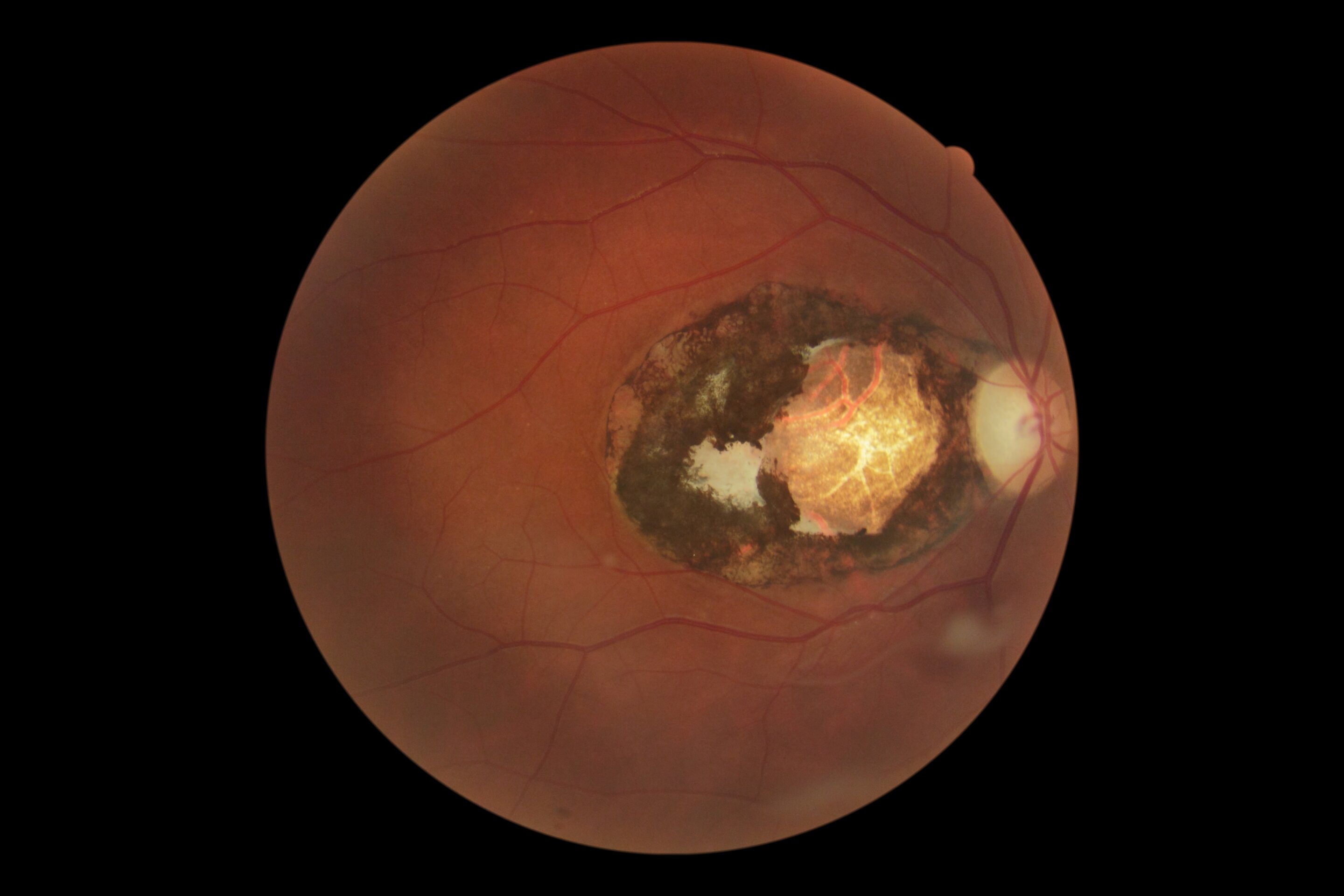
A global team of researchers is urging the World Health Organization to classify toxoplasmosis as a neglected tropical disease, arguing that the infection causes avoidable blindness and other severe health problems. In a paper published in PLOS Neglected Tropical Diseases, the authors say formal recognition could help direct more funding and public health action toward prevention, screening and care.
The paper was led by Associate Professor João Furtado of the University of São Paulo and Professor Justine Smith of Flinders University, with experts from the Americas, Europe, Africa and Asia. Flinders University said the authors argue toxoplasmosis meets WHO criteria for neglected tropical disease status.
Toxoplasmosis is caused by the Toxoplasma parasite. According to Flinders University, about one-third of the world’s population is infected. The parasite can cause ocular toxoplasmosis, an eye infection that can injure the retina and lead to permanent loss of sight.
Smith, an ophthalmologist at FHMRI Eye & Vision at Flinders University, said toxoplasmosis is a leading eye infection and a major cause of vision loss worldwide, while receiving limited attention in global health programs. She said WHO recognition would help improve prevention and management of the infection.
People can acquire the parasite by eating undercooked meat, consuming contaminated produce or water, or through contact with cat feces, according to the researchers. During pregnancy, infection can pass to the fetus and may lead to miscarriage or lasting damage to the brain and eyes. Flinders University said many children affected before birth later develop vision problems that can worsen.
Furtado said the disease is often treated as unavoidable even though its routes of transmission are known. He said the worst outcomes, including blindness, occur in communities with limited access to health care, safe food, clean water and prenatal services.
The researchers say practical public health steps could reduce harm from toxoplasmosis. The roadmap set out in the paper includes better screening during pregnancy, improved food and water safety, stronger sanitation and more coordinated international responses.
The authors also argue that toxoplasmosis receives too little research support and policy attention compared with diseases that have similar or lower burdens. Smith said neglected tropical disease recognition would help countries add toxoplasmosis prevention to maternal and child health services, food safety programs and primary care.
The team also links the issue to the One Health approach, which connects human, animal, agricultural and environmental health. Furtado said addressing toxoplasmosis requires work across several fields, given the role of animals, food systems, water and clinical care in transmission and prevention.
The researchers say other diseases have benefited after being placed within the neglected tropical disease framework, including gains in health outcomes. Smith said toxoplasmosis represents an actionable gap within a WHO framework that emphasizes equity, integrated programs and work across sectors.
The publication is titled “Toxoplasmosis meets the World Health Organization criteria for a neglected tropical disease.” Its authors say their statement is intended to press global health agencies and governments to address the burden of toxoplasmosis through prevention, treatment and research.
This story draws on original reporting from Medical Xpress.