
Researchers train as wildland firefighters to study cancer risk
University of Miami scientists are using firefighter training to shape a field study of smoke, heat and other exposures during prescribed burns.
By Priya Raghavan · Science Reporter
3 min read
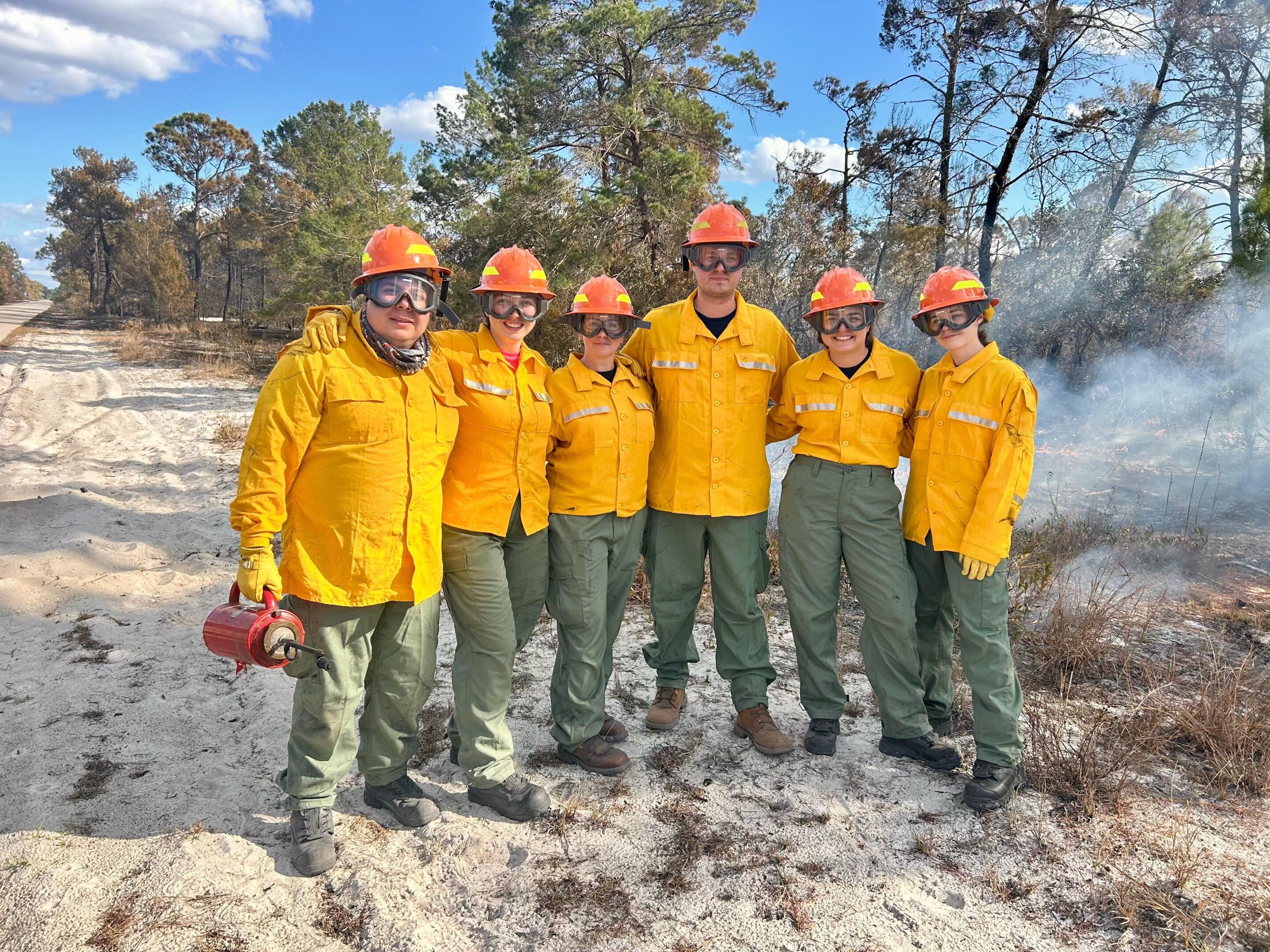
University of Miami cancer researchers have completed wildland firefighter training as they prepare a field study on cancer risks faced by crews who work around smoke, heat and heavy equipment. The Sylvester Firefighter Cancer Initiative said the experience will guide how researchers collect samples from firefighters during prescribed burns.
The work comes as Wildland Firefighter Week of Remembrance, observed from June 30 to July 6, draws attention to hazards in the job, according to the University of Miami Leonard M. Miller School of Medicine. The research team trained with Florida Forest Service cadets to better understand conditions that laboratory studies cannot fully reproduce.
The effort is tied to the WISER study, led by Sylvester Comprehensive Cancer Center. According to the university, the study will gather environmental and biological samples from wildland firefighters to examine exposure pathways and cancer risk, with the goal of helping develop practical prevention measures.
Training changes the study design
Alberto J. Caban-Martinez, co-deputy director of the Sylvester Firefighter Cancer Initiative, said the training allowed the research team to complete Florida wildland firefighter certification alongside forestry trainees. He said that direct participation gave scientists a clearer view of the scientific, physical and operational demands of the work.
Wildland firefighting requires knowledge of fire behavior, weather, ecology and environmental conditions, the University of Miami said. Researchers said those factors affect how firefighters may encounter smoke, soil, water, air contaminants and physical stress during a fire response or prescribed burn.
Madeleine Sayer, a research support specialist, said the team wanted to adapt sampling and data collection to the actual experience of wildland firefighters. The WISER study is expected to include environmental monitoring, biological sampling and epigenetic analysis, according to the university.
José Conill Flores, a University of Miami doctoral student, said conditions in Central Florida differ from those in other regions. He pointed to the convergence of Gulf and Atlantic winds and dry conditions as reasons region-specific data matter in exposure research.
Field conditions shape prevention questions
Researchers said the training exposed them to heat, heavy gear, time pressure and rapidly changing conditions. Those details are shaping how the team thinks about cancer-prevention recommendations that may be sound in theory but difficult to carry out during fire operations.
Chelsea Kavanaugh, a senior research associate, said the work showed her that wildland firefighters need a wider range of expertise than many people may realize, including weather, ecology, suppression tactics and heavy equipment operation. She said the training made the team think harder about what it asks firefighters to do in the field.
Emilie Brown, a senior research associate and University of Miami alumna, said the training also opened new conversations between scientists and firefighters. According to the university, the closer collaboration is generating research questions that may not have emerged from observation alone.
In the next phase, WISER researchers plan to collect soil, water and air samples along with biological data from firefighters during prescribed burns. The University of Miami said the study is intended to improve understanding of occupational exposures in a group that has been understudied in cancer research.
Sylvester researchers said the findings could help guide future safety practices and prevention strategies for wildland firefighters. The university said lessons from the project may also apply to other workers exposed to similar hazards.
This story draws on original reporting from Medical Xpress.