
Alcohol linked to 44% of fatal e-scooter crashes in Sweden
A Swedish study found fatal e-scooter crashes often involved intoxication, no helmet use and privately owned vehicles.
By Priya Raghavan · Science Reporter
3 min read
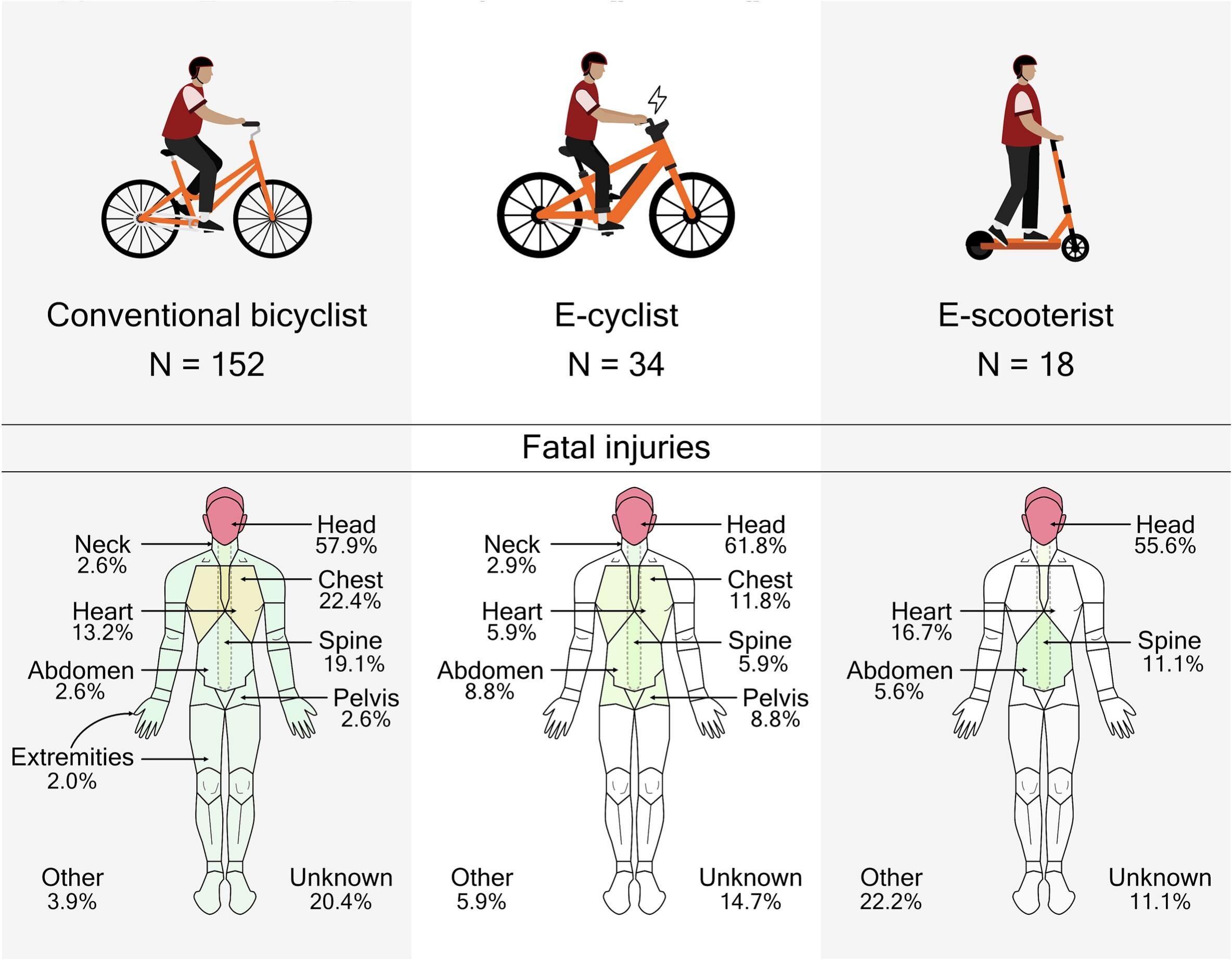
Alcohol was involved in 44% of fatal electric scooter crashes in Sweden, according to a new study that points to a distinct safety problem for a fast-growing form of urban transport. Researchers at Chalmers University of Technology and the Swedish Transport Administration found that fatal e-scooter crashes were commonly late-day or nighttime incidents, often involving riders without helmets.
The study, published in the Journal of Safety Research, examined all fatal crashes in Sweden from 2016 through 2024 involving electric scooters, electric bicycles and conventional bicycles. The researchers reviewed 204 deaths across the three vehicle types.
Alcohol appeared across all groups, but the rate was highest for e-scooter riders. The researchers found intoxication in 44% of fatal e-scooter crashes, compared with 27% of fatal e-bike crashes and 13% of fatal conventional bicycle crashes.
Chalmers professor Marco Dozza, a senior researcher on the study, said the findings show alcohol is a road safety problem beyond cars, with e-scooter cases standing out for both frequency and severity. Among intoxicated e-scooter riders who died, the median blood alcohol concentration was 1.8 per mille, according to the study.
For comparison, Sweden treats 0.2 per mille as the threshold for drunk driving in a car and 1.0 per mille as aggravated drunk driving, the researchers said. Dozza said many riders may underestimate the risk because e-scooters travel at lower speeds than cars, while alcohol reduces reaction time and balance.
Helmet use was rare in fatal crashes
The researchers reported that none of the e-scooter riders killed in the crashes studied were wearing a helmet. Among people killed while riding e-bikes or conventional bicycles, about one quarter wore helmets.
Head injuries were the most common fatal injury across all three groups, according to the study. Rahul Rajendra Pai, a Chalmers doctoral student and first author, said the pattern suggests helmet use is one of the clearest ways to reduce deaths, though helmets cannot prevent every fatal outcome.
The study also found different crash patterns by vehicle type. Fatal conventional bicycle crashes typically involved older riders, with a median age of 71, and often happened on weekdays in collisions with motor vehicles.
Fatal e-scooter crashes more often involved younger riders, with a median age of 47.5, and were usually single-vehicle crashes. The researchers said those deaths were concentrated on weekends, evenings and nights.
Private scooters dominate alcohol-related deaths
Nearly nine in 10 alcohol-related e-scooter deaths involved privately owned scooters, according to the study. The researchers noted that public attention and many rules have focused on rental scooters, where operators can set speed limits or restrict nighttime use.
Those rental policies do not apply to privately owned scooters, the researchers said. Dozza is leading a separate project on whether sensors in rented e-scooters can detect impaired riding in real time and trigger preventive measures before a crash.
Dozza said technology and rules cannot address the whole problem without changes in rider behavior. He said training could help riders understand how e-scooters should be used and what risks rise when alcohol is involved.
Rikard Fredriksson, a senior adviser on vehicle safety at the Swedish Transport Administration and a co-author of the study, said alcohol is involved in about 20% of all fatal road crashes in Sweden. He said the 44% figure for e-scooter deaths shows a higher-risk pattern, and urged helmet use and riding only scooters that comply with legal speed limits.
This story draws on original reporting from Medical Xpress.