
Prenatal fructose exposure tied to brain stem cell changes in rats
A rat study found high fructose corn syrup during pregnancy impaired offspring memory and altered neural stem cells through lasting epigenetic changes.
By Priya Raghavan · Science Reporter
3 min read
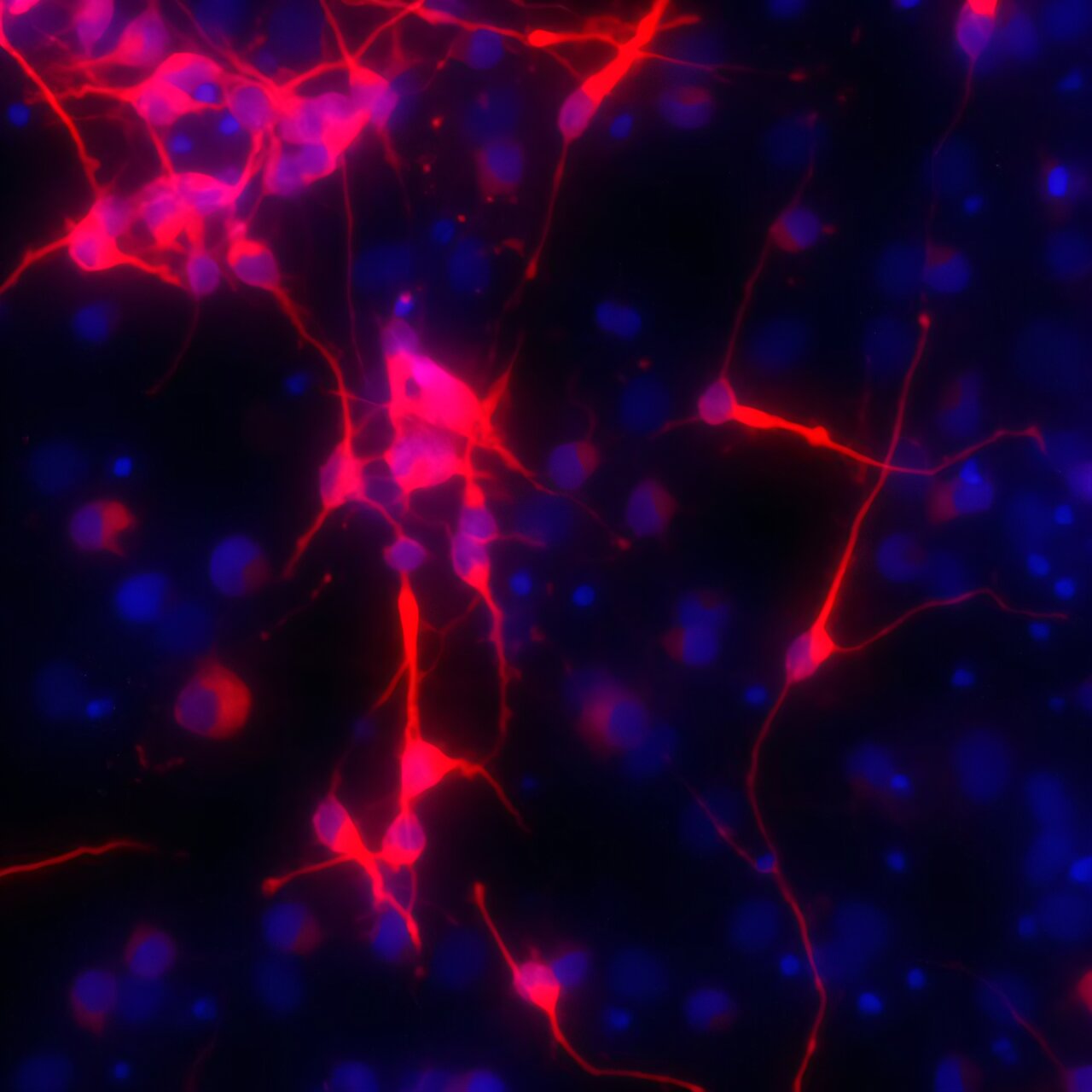
Rats exposed before birth to high fructose corn syrup performed worse on learning and memory tests as adults, according to a study published in Stem Cell Reports. The findings point to a possible cellular route by which a pregnancy diet high in fructose could affect brain development in offspring.
The work was led by Hiroya Yamada’s team at Fujita Health University School of Medicine in Toyoake, Japan, and was reported by the International Society for Stem Cell Research. The researchers studied neural stem cells, which help generate neurons in the brain, to examine how prenatal fructose exposure might leave effects that last well beyond fetal development.
High fructose intake from sweetened foods and drinks during pregnancy has been associated in population studies with higher risks of diabetes, cardiovascular disease, and neurological or cognitive problems in children, according to the society. The mechanisms behind those links have remained unclear, especially at the level of cells and gene regulation.
In the rat study, pregnant animals were fed high fructose corn syrup. Their offspring later showed weaker performance in tests of learning and memory, the researchers found.
The team also reported reduced neurogenesis in specific brain regions involved in learning and cognition. Neurogenesis is the process by which neural stem cells produce new neurons, and it continues in parts of the brain after birth.
Yamada’s group found several changes in neural stem cells from animals exposed to high fructose before birth. The cells divided less, produced fewer new neurons and showed altered patterns of gene activity, according to the study.
Lasting marks on gene control
To investigate why a temporary exposure during pregnancy could have persistent effects, the researchers examined epigenetic changes in neural stem cells. Epigenetic marks are chemical modifications that help regulate whether genes are active, without changing the DNA sequence itself.
The study found that prenatal fructose exposure produced distinct epigenetic changes in fetal neural stem cells. Those marks remained into adulthood and disrupted the activity of genes involved in adult neurogenesis, according to the researchers.
When the team restored normal expression of the affected genes, the function of neural stem cells exposed to high fructose improved, the study reported. The finding suggests that altered gene regulation may be one way maternal diet can influence later brain cell function in offspring.
“Our study suggests that neural stem cells may retain a biological memory of maternal nutrition during pregnancy,” Yamada said. “This may help explain how a transient prenatal dietary imbalance can lead to long-lasting changes in brain development and function.”
The researchers said more work is needed before drawing conclusions for humans. Epidemiological studies have reported similar correlations in people, but the society said further studies must test whether human neural stem cells respond to high fructose and other environmental stressors in the same way.
The paper, “Neural stem cells as potential mediators of prenatal dietary stress through epigenetic mechanisms,” was published in Stem Cell Reports. The study’s DOI is 10.1016/j.stemcr.2026.102996.
This story draws on original reporting from Medical Xpress.