
Redesigned lung cancer drug controls tumors with fewer off-target hits
Moffitt researchers changed dacomitinib’s reactive chemistry, keeping tumor control in mice while reducing unintended protein binding.
By Tom Brennan · Health & Medicine Correspondent
3 min read
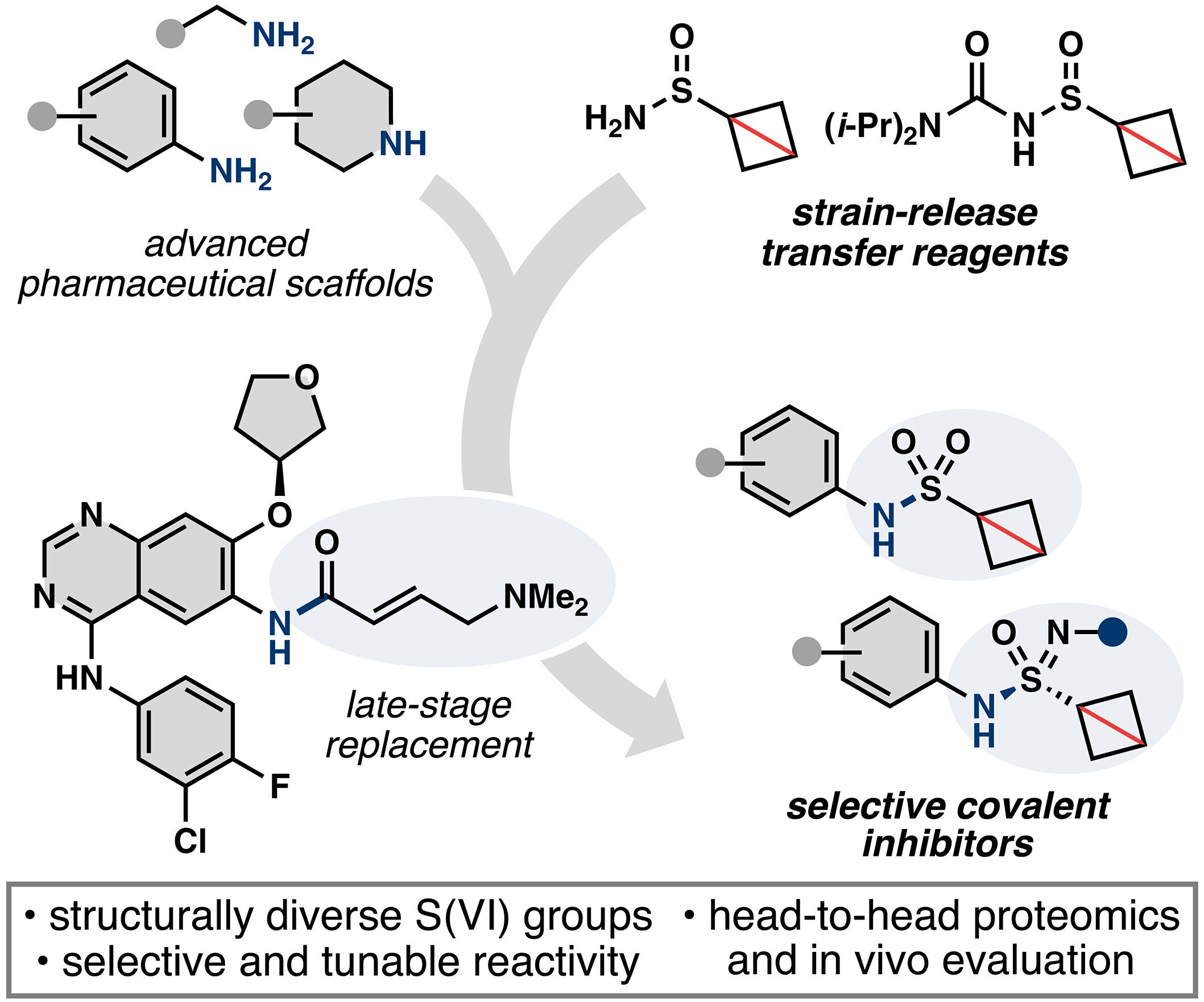
A redesigned lung cancer drug matched the tumor-slowing effect of an approved therapy in mice while binding to fewer unintended proteins, according to researchers at H. Lee Moffitt Cancer Center & Research Institute. The work matters because covalent cancer drugs can be potent, but their reactive chemistry can also create side-effect risks by interacting with healthy proteins.
The findings, published in Science, describe a chemical strategy meant to make targeted medicines more selective. Moffitt said the approach could be applied to a range of cancer drug candidates and, eventually, medicines for other diseases.
How does the redesigned lung cancer drug work?
The team focused on covalent inhibitors, a class of targeted medicines that form permanent bonds with disease-driving proteins so those proteins stay shut down longer than they would with many traditional drugs. More than a dozen covalent drugs have been approved for cancer treatment, according to Moffitt.
The problem is that the same reactive parts that let these drugs attach to cancer targets can also react elsewhere in the body. Moffitt said those off-target interactions have been tied to side effects and have limited wider use of the drug class.
Researchers led by Justin M. Lopchuk, an associate member in Moffitt’s Drug Discovery Department, built a new chemical “warhead” around a small strained structure called a bicyclobutane. The design favored binding to cysteine, the amino acid targeted by most approved covalent cancer medicines, while reducing reactions with other proteins.
The group also reported a way to add the new chemistry late in drug development. That means scientists may be able to swap out the reactive group on a known drug candidate instead of building a medicine from the beginning.
What did researchers test?
To evaluate the method, the Moffitt team redesigned several experimental and approved cancer drugs. One was dacomitinib, an FDA-approved drug used for certain lung cancers.
The modified version kept blocking its intended cancer target, Moffitt said, but showed far fewer interactions with unintended proteins. In mice carrying human lung tumors, the redesigned drug reduced tumor growth about as well as the approved medicine.
Moffitt also said the redesigned version showed improved drug exposure in the body and no obvious toxicity signs during the mouse study. The findings remain preclinical, and the researchers said more work is needed before the technology can move into patient testing.
Why the chemistry could matter
Lopchuk said covalent drugs are powerful but their reactivity has long presented a trade-off. “We wanted a warhead that only reacts where it's supposed to,” he said, adding that the result was cleaner compounds without losing potency.
Because the bicyclobutane-based groups can be installed late in the development process, the researchers see a practical route for improving existing targeted therapies. Lopchuk said the approach could help developers design safer drugs while preserving the effectiveness patients need.
The Science paper is titled “Late-stage functionalization with strain-release warheads enables tunable covalent inhibition.” Zachary P. Shultz and colleagues authored the study, which carries the DOI 10.1126/science.adx7219.
This story draws on original reporting from Medical Xpress.