
Positive TikTok aging videos improved women’s outlook, study says
A UConn-led study found women felt better about aging after watching TikTok videos that presented gray hair, wrinkles and later life positively.
By Tom Brennan · Health & Medicine Correspondent
3 min read
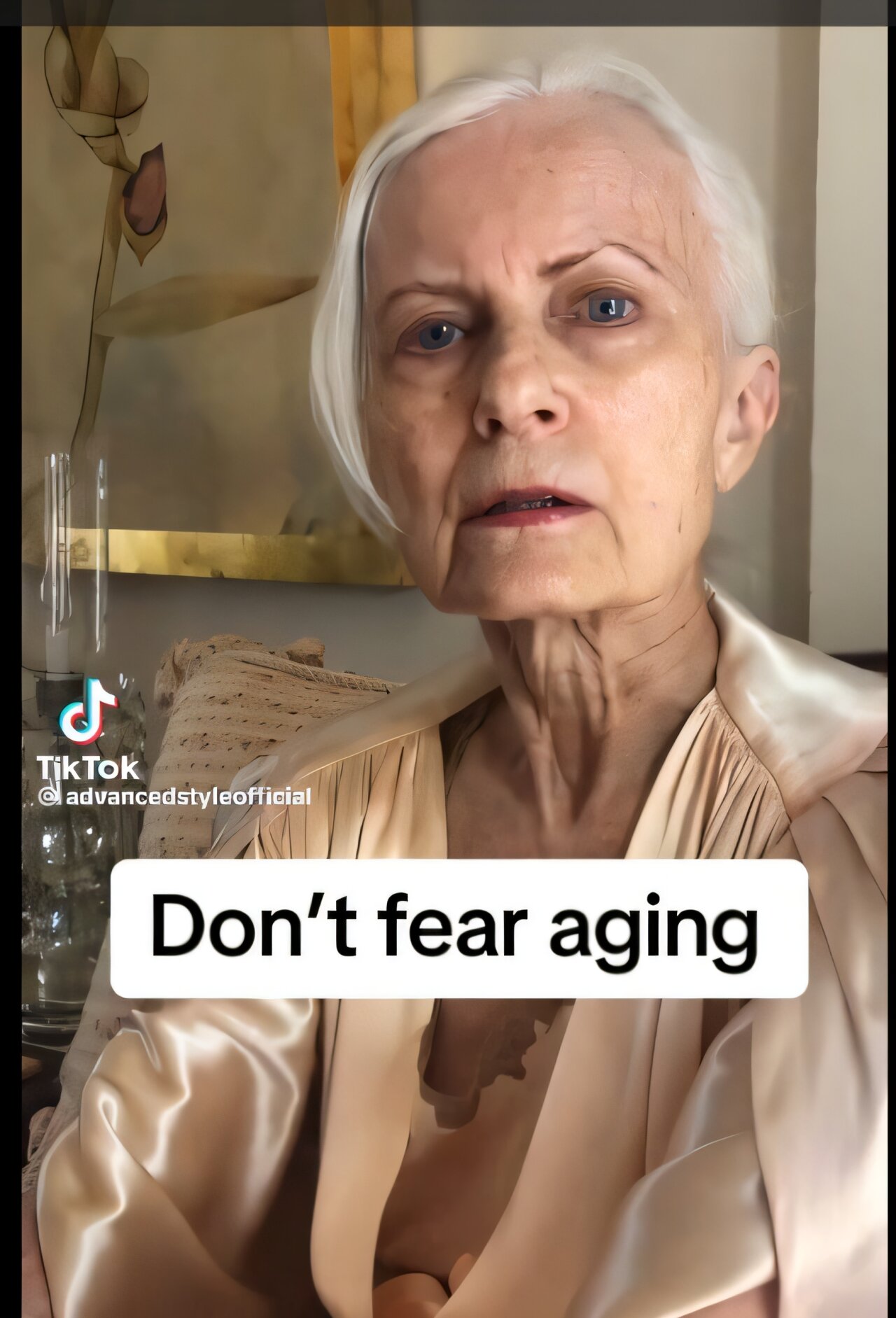
Women who watched TikTok videos portraying aging in a positive light reported warmer feelings about getting older and more confidence in their own ability to age well, according to a University of Connecticut-led study. The findings point to a possible role for social media content in countering beauty norms and age-related bias aimed at women.
The study, published in Communication Research, examined how women responded after seeing videos of women discussing aging favorably. The research team included R. Amanda Cooper, an assistant professor of interpersonal communication at UConn, UConn graduate student Lexi McNamara and Heather Gahler of the University of Wisconsin, according to UConn.
Cooper told UConn that anti-aging messages have long shaped beauty expectations for women, especially around skin, hair and visible signs of age. She said women have faced a harsher standard than men, with gray hair and wrinkles often treated differently depending on gender.
How the study worked
The researchers assigned women in younger, middle-aged and older groups to watch either TikTok videos about positive aging or videos about travel, UConn said. Afterward, participants answered questions about their worries, emotions and confidence related to aging.
Women who saw the positive aging videos reported more positive emotions about growing older than those who watched travel content, according to Cooper. They also felt more assured about their capacity to age well, she said.
The videos included examples of women presenting gray hair, laugh lines and other markers of age as acceptable or even valued, UConn said. Cooper had previously noticed a positive-aging movement on TikTok, including content linked to themes such as embracing gray hair.
The effect appeared across the age groups studied, but UConn said the middle-aged and older women showed stronger responses. Cooper suggested that may be because aging feels more immediate for those groups.
Why researchers looked at TikTok
Cooper said she and her co-authors became concerned after seeing younger women on social media discussing anti-aging products and cosmetic procedures. She told UConn that messages once aimed mainly at older women now appear to be reaching women much earlier in life.
The study tested whether exposure to a different kind of message could change how women thought about their own aging. Cooper said seeing older women model comfort and satisfaction with aging may help viewers imagine those traits for themselves.
The researchers also found that women who watched the positive aging videos had more favorable views of older people in general, according to UConn. Cooper said that result may have implications for reducing ageism and prejudice toward older adults.
Cooper called for more content that presents aging among women as meaningful and worthwhile, including depictions of gray hair and experience gained over time. The study does not claim that social media alone determines women’s views of aging, but it suggests that repeated exposure to affirming examples can influence attitudes.
This story draws on original reporting from Medical Xpress.