
Body clock therapies improve stroke recovery in mice
University of Rochester Medicine researchers report that circadian-based treatments improved brain cleanup and motor recovery after stroke in mice.
By Priya Raghavan · Science Reporter
3 min read
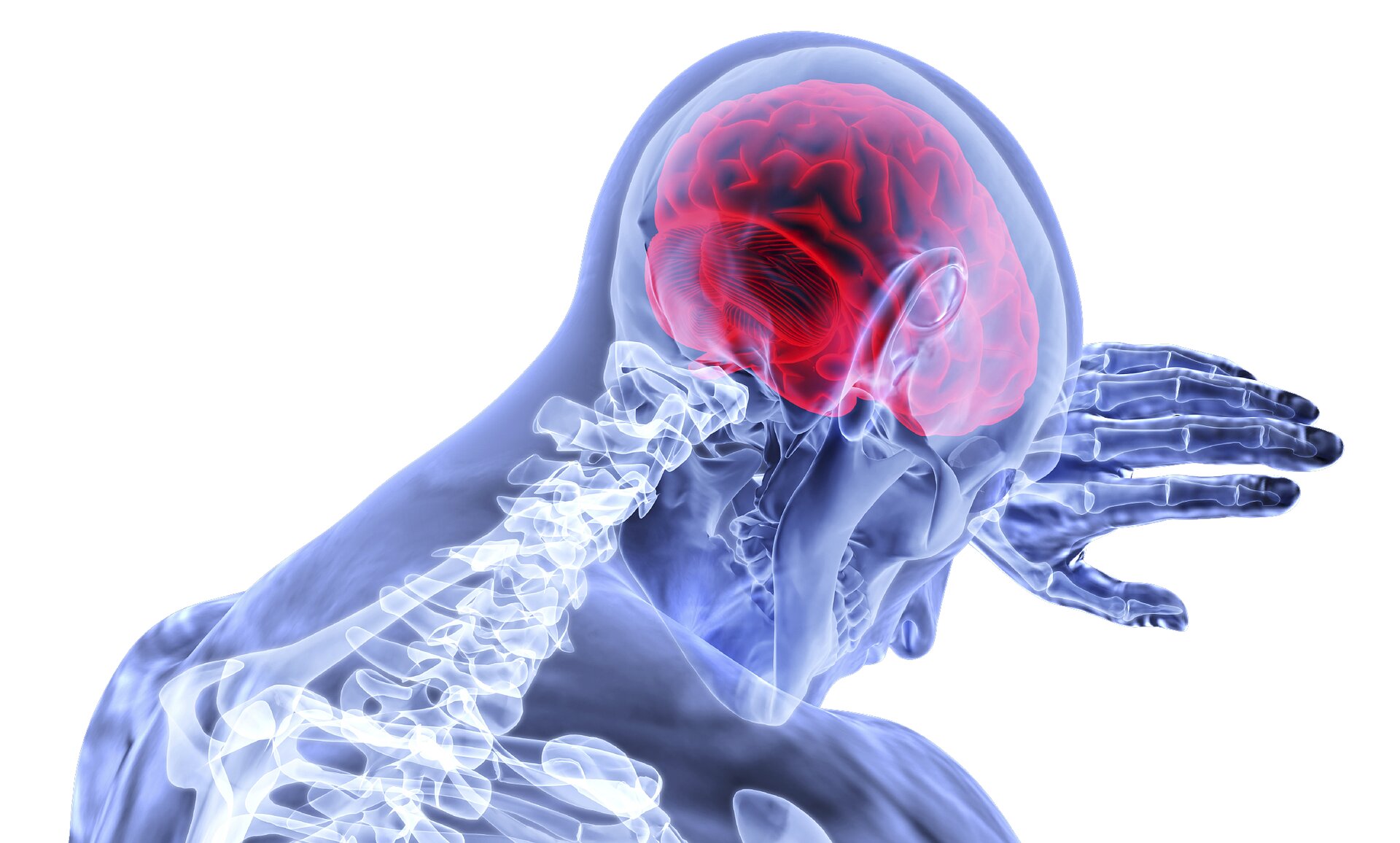
Interventions aimed at strengthening circadian rhythms improved recovery after stroke in mice, University of Rochester Medicine researchers reported. The findings point to a possible rehabilitation strategy that would target sleep-wake timing and the brain’s waste-clearance system after the acute phase of stroke care.
The study, published in the Journal of Clinical Investigation, tested approaches that affect the body’s 24-hour clock and found gains in motor function, smaller brain lesions, better glymphatic flow and lower levels of inflammatory cytokines in mouse models of stroke, according to the university.
Why timing became the focus
Lauren Hablitz, a University of Rochester Medicine neuroscientist and lead author of the study, framed stroke recovery as partly a problem of disrupted biological timing. Strokes are known to occur more often in the morning and can be more severe near the end of the sleep period, according to the researchers.
The university said many people who have had a stroke also develop disturbed sleep-wake patterns afterward. Those disruptions have been linked with worse recovery, depression and lower quality of life.
The work builds on research from Maiken Nedergaard’s laboratory at the University of Rochester Medicine, which identified the glymphatic system in 2012. That system moves cerebrospinal fluid through brain tissue and helps remove waste and debris, according to the university.
Later studies from the Rochester group found that glymphatic activity is strongest during sleep. Hablitz, Nedergaard and colleagues also reported in 2020 that the system follows daily circadian patterns apart from sleep itself.
Testing circadian interventions
In the new study, the researchers evaluated several clock-related interventions, including timed light exposure, melatonin, time-restricted feeding and KL001, a drug that targets circadian clock mechanisms, according to University of Rochester Medicine.
The team first tested whether those interventions could improve glymphatic function in healthy animals. It then moved the most promising approaches, KL001 and time-restricted feeding, into mouse models of stroke.
Treatment began three days after stroke, the university said. That timing places the intervention outside the narrow window used for acute treatments such as clot-busting drugs.
Mice that received KL001 or time-restricted feeding showed improved movement recovery and smaller lesion volumes, according to the study. The researchers also reported stronger glymphatic flow and lower concentrations of inflammatory cytokines in the brain.
Hablitz said the cytokine results suggested the interventions may have helped the brain clear inflammatory signals rather than suppressing one inflammatory pathway. The researchers proposed that after stroke, damaged clearance routes may allow inflammatory molecules to accumulate and contribute to ongoing injury.
Potential path toward rehabilitation studies
University of Rochester Medicine said time-restricted feeding could be especially relevant because it is a behavioral intervention already being studied in obesity, diabetes, cardiovascular disease and other conditions. Hablitz said such approaches might one day be used in hospitals and at home, if further studies support them.
The researchers cautioned that the findings come from animal models. They said more work is needed to determine whether improved glymphatic flow directly causes better recovery and whether circadian-based treatments can be tested safely and effectively in clinical trials.
The paper, titled “Chronotherapy to reinforce circadian rhythms improves post-stroke outcomes and glymphatic function in mice,” was published in the Journal of Clinical Investigation.
This story draws on original reporting from Medical Xpress.