
Photo calorie apps accuracy questioned after study finds meal undercounts
NIDDK researchers found four photo-based diet apps undercounted meal calories and fat, with errors larger for fat-rich foods.
By Priya Raghavan · Science Reporter
3 min read
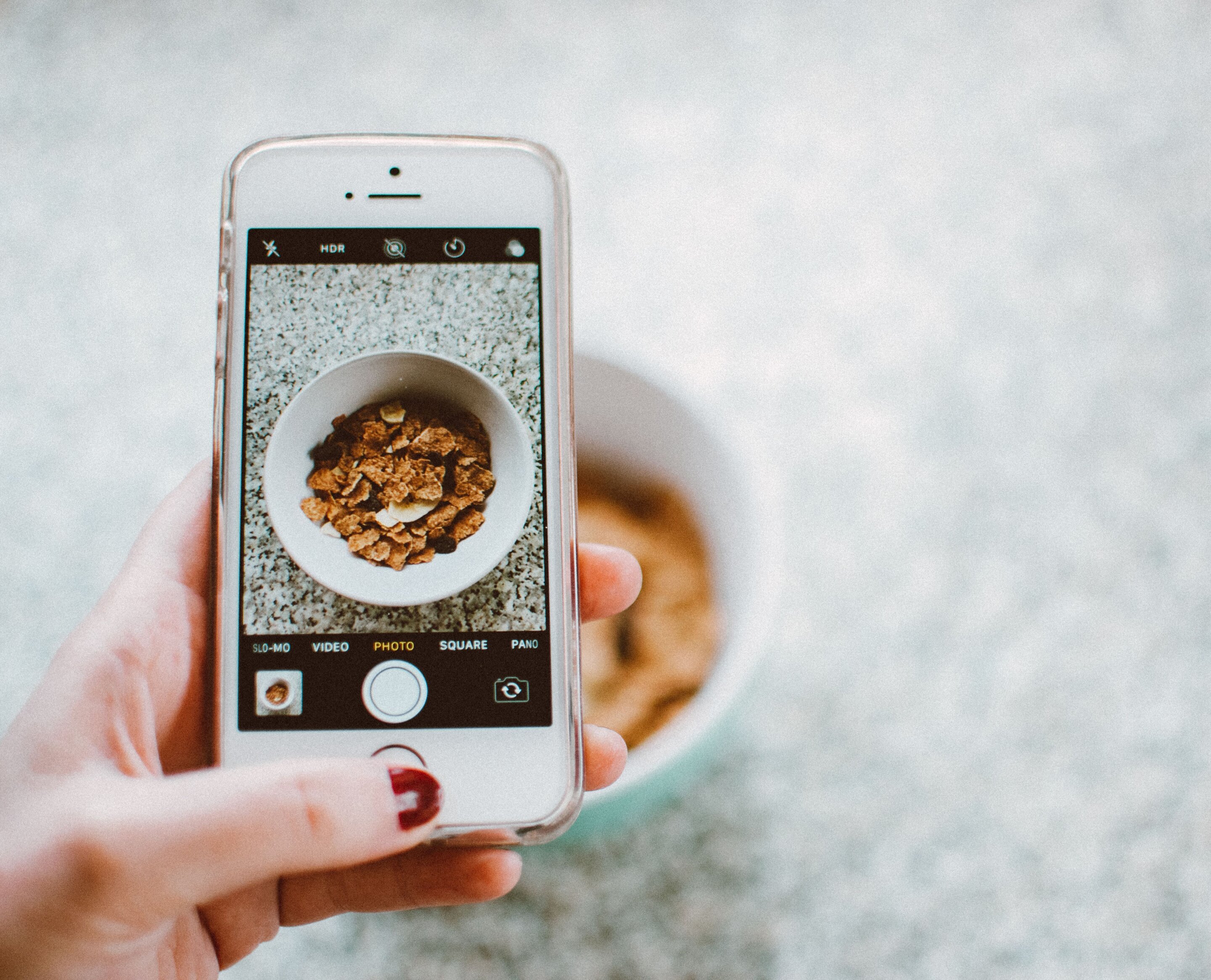
Photo calorie apps accuracy is under fresh scrutiny after researchers found that four popular photo-based diet apps underestimated calories and fat in prepared meals. The finding matters for people who use meal photos to track weight loss or health goals, because the apps may report less energy than a person actually ate.
The research was reported by the American Society for Nutrition and is being presented at NUTRITION 2026, the society’s annual meeting, held July 25-28 in National Harbor, Maryland. Olivia Charles, a postbaccalaureate intramural research training fellow at the National Institute of Diabetes and Digestive and Kidney Diseases, is presenting the findings, according to the society.
The team tested MyFitnessPal, LoseIt!, CalAI and Appediet using standardized images of 102 meals prepared for a larger diet study at the NIH Clinical Center. The meals came from a controlled metabolic kitchen, where ingredients are weighed carefully, giving researchers a reference point for comparing each app’s estimate.
How accurate are photo calorie apps?
In this study, all four apps came in low on calorie estimates. The researchers found average undercounts ranging from 250 to 345 calories per meal, according to the American Society for Nutrition.
The apps also underestimated fat by about 30 grams. Aaron Hengist, a postdoctoral visiting fellow in NIDDK’s intramural program, said the results suggest users should be cautious if they rely on photos alone without correcting portions or entering food amounts.
Photo-based calorie tracking uses AI image recognition to identify foods in a picture and estimate serving sizes. The app then checks that information against nutrition databases to calculate calories and nutrients, according to the American Society for Nutrition.
That process can be convenient, but it depends on the app recognizing the food correctly and estimating how much is on the plate. Hengist said many apps have not been thoroughly tested for whether they can reliably estimate calories.
What the researchers tested
The 102-meal analysis covered meals made as part of an NIH Clinical Center study on how the body processes nutrients on either a low-carbohydrate ketogenic diet or a standard diet. Because the meals were prepared in a research kitchen with closely measured ingredients, the investigators could compare app estimates with known nutrition values.
The analysis found some differences among nutrients and meal types. MyFitnessPal and LoseIt! estimated the energy content of higher-calorie meals more accurately than lower-calorie meals, while all four apps were more consistent when estimating carbohydrates than when estimating other macronutrients, according to the American Society for Nutrition.
After the first analysis, the team looked at more than 200 additional meals to study what might influence app performance. Early results suggest the apps had more trouble with meals from a low-carb ketogenic diet, likely because those meals contained more fat and the apps tended to miss fat content.
The investigators said photo-based tools may work better if combined with more traditional ways of measuring diet quality. For users, the immediate takeaway from the NIDDK findings is that a meal photo can be a starting point, but the reported calories may need adjustment, especially when a meal is high in fat.
This story draws on original reporting from Medical Xpress.